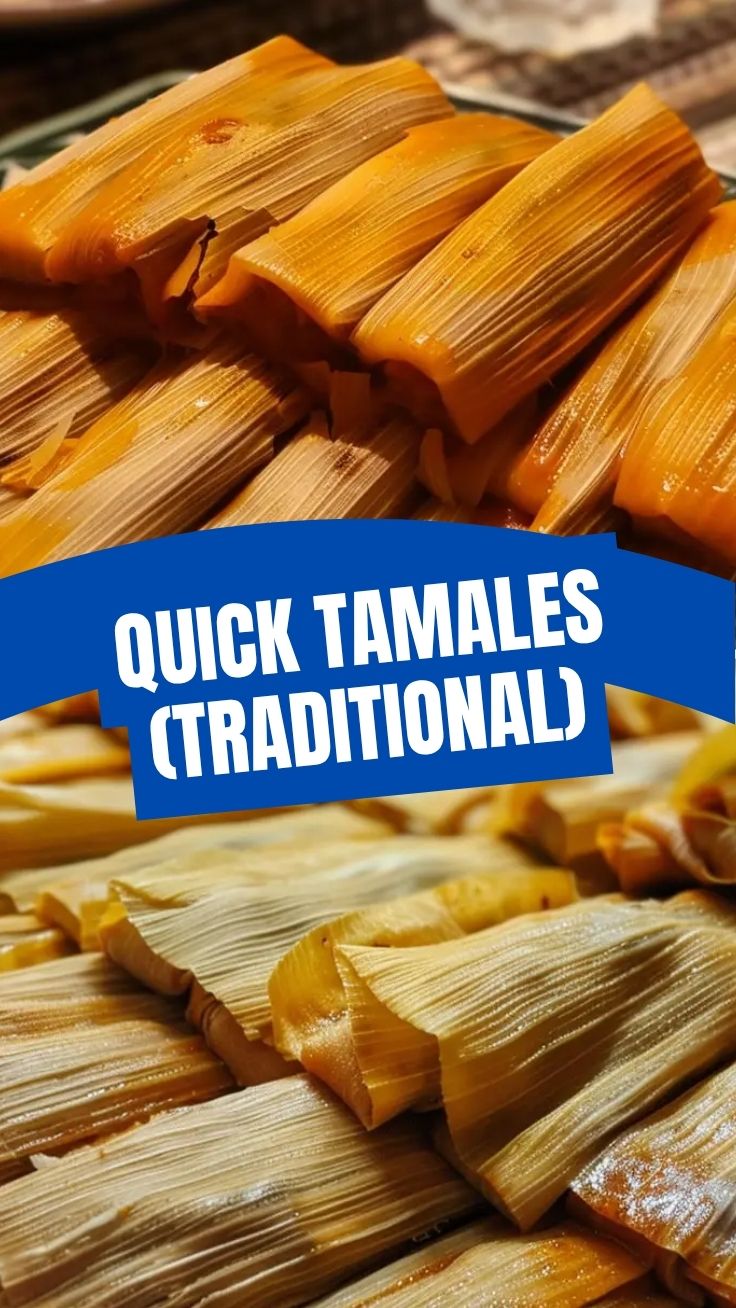
Unlock the Secrets of Succulent Tamales: Your Guide to Homemade Tamales (Traditional) Perfection
Ever dreamt of biting into a perfectly steamed, melt-in-your-mouth tamale, rich with savory fillings and authentic flavors, right in your own kitchen? Preparing Tamales (Traditional) at home isn’t just about cooking; it’s about connecting with a culinary legacy and creating cherished memories with every delicious bite. Forget the store-bought versions that often pale in comparison. This comprehensive guide will empower you to master the art of making this beloved Authentic Mexican Food, transforming your kitchen into a hub of irresistible aromas and flavors. Get ready to embark on a culinary adventure that promises to be both rewarding and incredibly tasty.
Ingredients & Kitchen Tools
- Dried Corn Husks (Hoja de Maíz): Approximately 20-30 husks. Essential for wrapping the tamales. Look for large, flexible husks.
- Masa Harina para Tamales: 2 cups. A specially prepared corn flour for tamales, often coarser than regular masa harina.
- Vegetable Shortening or Lard (Manteca): 1 cup. Adds tenderness and flavor to the masa. Lard is traditional, but vegetable shortening works for a vegetarian option.
- Chicken Broth or Vegetable Broth: 1.5 – 2 cups, warm. For hydrating the masa and adding flavor. Adjust as needed.
- Baking Powder: 1 tablespoon. Helps the masa become light and fluffy.
- Salt: 1 teaspoon. To season the masa.
- Filling of Choice: 2-3 cups.
* Pork in Red Chile Sauce: (Cooked pork shoulder/butt, shredded, simmered in a rich ancho and guajillo chile sauce). This is a classic.
* Chicken in Green Chile Sauce: (Cooked chicken breast/thighs, shredded, simmered in tomatillo, serrano, and cilantro sauce). Another popular choice.
* Cheese and Jalapeño: (Blocks of Monterey Jack, Oaxaca, or Pepper Jack cheese, with sliced pickled jalapeños). Vegetarian friendly.
* Sweet Tamales: (Pineapple, raisins, cinnamon, and a touch of sugar in the masa).
- Large Steamer Pot with Rack and Lid: Essential for steaming the tamales evenly. A large stockpot with a collapsible steamer basket can also work.
- Large Mixing Bowls: Several, for soaking husks, mixing masa, and holding fillings.
- Spatula or Wooden Spoon: For mixing.
- Plate or Tray: For assembling tamales.
- Measuring Cups and Spoons: For accurate measurements.
Prep Time & Cooking Schedule
- Husks Soaking: 1-2 hours (or overnight)
- Filling Preparation: 1-2 hours (depending on complexity, if making from scratch)
- Masa Preparation: 20-30 minutes
- Assembly: 1-1.5 hours (can vary based on experience)
- Steaming: 1-1.5 hours
- Resting Time: 15-20 minutes
Total Estimated Time: 4-6 hours (most of which is passive waiting for soaking and steaming). Plan ahead, perhaps by preparing your filling the day before to streamline the process.
Step-by-Step Instructions
1. Prepare the Husks: Place dried corn husks in a large bowl or clean sink. Cover completely with hot water and weigh them down with a plate to keep them submerged. Let them soak for at least one hour until they are soft and pliable. Drain and pat dry before use.
2. Prepare the Filling: If you haven’t already, cook and shred your chosen filling (e.g., pork in red chile sauce). Ensure it’s not too watery, as excess moisture can make the tamales soggy.
3. Prepare the Masa: In a large mixing bowl, beat the vegetable shortening or lard until it’s light and fluffy (about 5 minutes with an electric mixer).
4. Combine Dry Ingredients: In a separate bowl, whisk together the masa harina, baking powder, and salt.
5. Incorporate Dry into Wet: Gradually add the masa harina mixture to the beaten shortening, alternating with warm chicken or vegetable broth. Mix until a soft, spreadable dough forms. The masa should be light and fluffy, resembling a thick paste. To test, drop a small piece of masa into a glass of cold water; if it floats, it’s ready. If not, beat for a few more minutes and retest. This crucial step ensures light and airy Tamales (Traditional).
6. Assemble the Tamales: Take a softened corn husk, placing the wider end at the top and the narrow end at the bottom. Spread 2-3 tablespoons of masa evenly over the wider half of the husk, leaving 1-2 inches clear at the narrow end and along the sides.
7. Add the Filling: Place a spoonful of your chosen filling (e.g., pork in red chile or cheese and jalapeño) in the center of the masa. Don’t overfill.
8. Fold and Wrap: Fold one side of the husk over the filling, then fold the other side to overlap. Fold the narrow end of the husk up towards the center. You can leave the wider end open or fold it down.
9. Steam the Tamales: Arrange the wrapped tamales upright in your steamer, packed closely but not too tightly, with the open ends facing up. Add water to the bottom of the steamer, ensuring it doesn’t touch the tamales. Bring the water to a boil, then reduce heat to a steady simmer.
10. Cook to Perfection: Steam for 1 to 1.5 hours. They are done when the masa easily separates from the husk. For truly delicious Authentic Mexican Food like this, proper steaming is key.
11. Rest and Serve: Remove from heat and let the tamales rest, covered, for 15-20 minutes. This allows them to firm up slightly. Serve warm with your favorite salsa or toppings.
Nutritional Benefits & Advantages
Tamales (Traditional), when made with fresh, whole ingredients, offer several nutritional advantages. Corn-based masa is a good source of complex carbohydrates, providing sustained energy. Fillings like lean pork or chicken contribute high-quality protein, essential for muscle repair and growth. Furthermore, incorporating vegetables and chiles into the fillings adds vitamins, minerals, and antioxidants. The fiber content from the corn husks (though not consumed) and masa can contribute to digestive health. Opting for healthier fats like shortening (or even high-quality lard in moderation) over highly processed oils can also benefit cardiovascular health.
Tips, Variations & Cooking Advice
- Flavorful Masa: Don’t underestimate the masa! Whisking in a touch of reserved chile sauce from your filling or a pinch of garlic powder can elevate its flavor.
- Filling Creativity: Experiment beyond traditional fillings. Consider adding sautéed mushrooms and rajas (roasted poblano strips) for a vegetarian option, or even a spicy shrimp filling.
- Consistency is Key: The masa should be soft and spreadable, but not too wet or too dry. Adjust broth as needed, adding a tablespoon at a time.
- Batch Cooking: Tamales freeze beautifully, making them ideal for meal prep. Make a large batch and store them for quick, delicious meals.
- Folding Technique: Practice makes perfect! Don’t get discouraged if your first few tamales aren’t perfectly shaped. The flavor will still be amazing.
- Sweet Tamales: For a dessert tamale, replace savory fillings with pineapple, raisins, cinnamon, and sugar. The masa itself can be sweetened and flavored with vanilla.
Common Mistakes to Avoid
- Under-Soaking Husks: Leads to brittle, hard-to-wrap husks. Ensure they are fully pliable.
- Over-filling Tamales: Makes them difficult to fold and can result in masa squeezing out during steaming.
- Too Dry or Too Wet Masa: A dry masa will result in crumbly tamales; a wet masa will be soggy. Test the masa’s consistency before widespread use.
- Not Enough Steaming Time: Understeamed tamales will be gummy and stick to the husk. Always check if the masa easily pulls away from the husk.
- Water Touching Tamales in Steamer: If the water level is too high, the tamales will become waterlogged instead of properly steamed.
Storage & Meal Prep Tips
Cooked tamales can be stored in an airtight container in the refrigerator for up to 5 days. For longer storage, tamales freeze exceptionally well. Arrange cooled tamales in a single layer on a baking sheet to freeze individually, then transfer to a freezer-safe bag or container. They can be frozen for up to 3 months. To reheat, steam frozen tamales for 20-30 minutes, or refrigerated tamales for 10-15 minutes, until heated through. You can also microwave them, but steaming preserves their texture best.
Conclusion
Mastering homemade Tamales (Traditional) is a culinary achievement that brings immense satisfaction. It’s an opportunity to create something truly special, imbued with tradition and flavor, and a fantastic way to enjoy Authentic Mexican Food. By following these detailed steps and embracing the tips, you’re not just cooking; you’re crafting an experience. We encourage you to try this recipe, experiment with fillings, and share your delicious creations. Your kitchen is about to become everyone’s favorite taqueria!
FAQs
Q1: Can I use regular masa harina instead of masa harina para tamales?
A1: While you can, masa harina para tamales is specially ground coarser, which gives tamales a lighter, fluffier texture. Regular masa harina might result in a denser, gummier tamale.
Q2: What if my tamales are sticking to the husks?
A2: This usually indicates they haven’t steamed long enough. Continue steaming until the masa easily pulls away from the husk. A properly made and cooked tamale should release cleanly.
Q3: Can I make tamales vegetarian or vegan?
A3: Absolutely! Use vegetable shortening instead of lard for the masa and vegetable broth. For fillings, opt for cheese and jalapeño, black beans, sautéed vegetables, or plant-based protein in a flavorful chile sauce.
Q4: How do I know if my masa is ready (the float test)?
A4: Drop a small (teaspoon-sized) piece of the prepared masa into a glass of cold water. If it floats to the top, it has enough air incorporated and is ready. If it sinks, continue beating for a few more minutes and retest.
Q5: What are some good serving suggestions for tamales?
A5: Tamales are delicious on their own, but they also pair well with salsa rojo or salsa verde, a dollop of sour cream or crema Mexicana, a sprinkle of cotija cheese, or a side of refried beans and rice.