Sizzle and Savor: Unlock the Secret to Perfect Fajitas (Chicken or Beef) at Home
Ever wondered how those restaurant-style, sizzling Fajitas (Chicken or Beef) achieve that irresistible aroma and flavor? The good news is, you don’t need a professional chef’s touch to recreate that culinary magic in your own kitchen! Preparing these vibrant, customizable fajitas at home offers not only a delicious meal but also complete control over ingredients, ensuring a wholesome and personalized dining experience. Forget soggy tortillas and bland fillings; with the right techniques and a robust fajita seasoning, you’re about to become a fajita master. This comprehensive guide will walk you through every step, from selecting your proteins to achieving that perfect char, making restaurant-quality Fajitas (Chicken or Beef) a delicious reality for weeknight dinners or festive gatherings.
Ingredients & Kitchen Tools
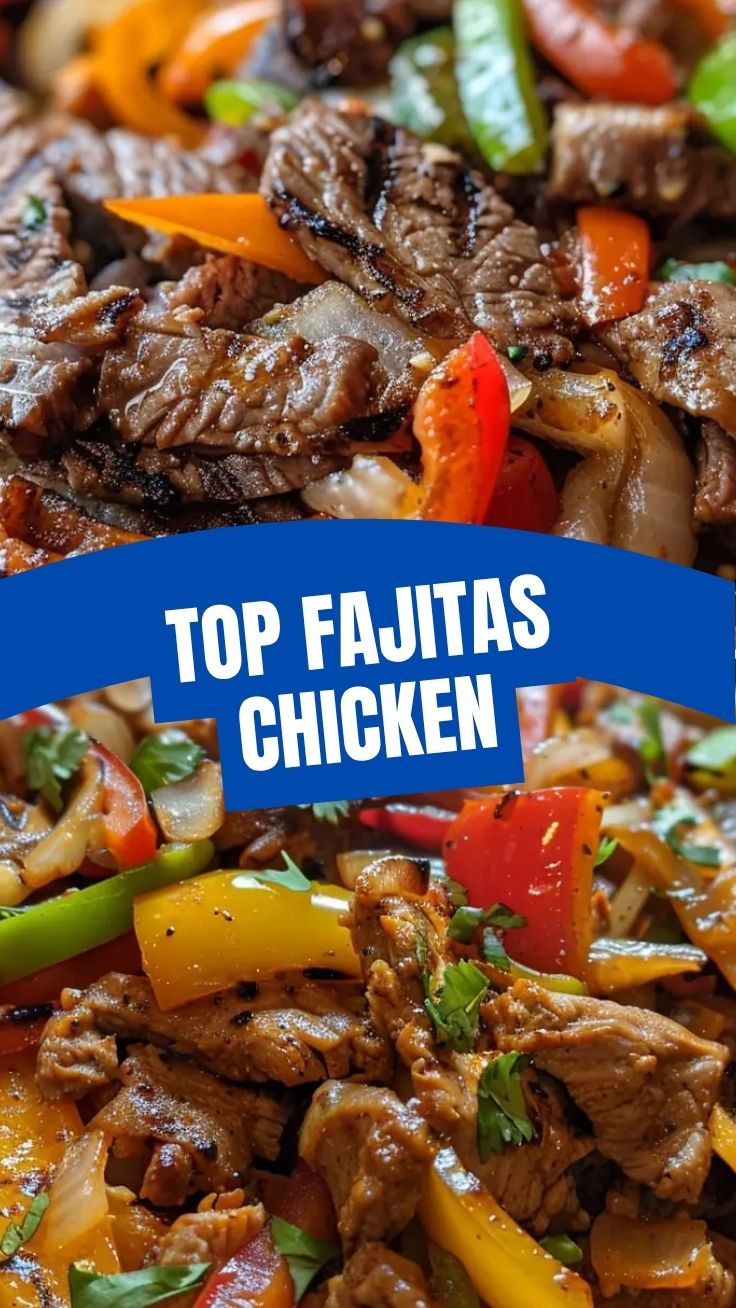
- 1 ½ lbs Chicken Breast or Skirt Steak: Sliced into ¼-inch thin strips. For chicken, opt for boneless, skinless breasts. For beef, skirt or flank steak delivers that authentic fajita texture.
- 2 Bell Peppers (any color): Sliced into thin strips. Adds sweetness and vibrant color.
- 1 Large Onion: Sliced into thin strips. Contributes a foundational aromatic flavor.
- 2 tbsp Olive Oil or Vegetable Oil: For searing and sautéing.
- 2 tbsp Fajita Seasoning: A pre-made blend or homemade with chili powder, cumin, paprika, garlic powder, onion powder, oregano, salt, and pepper. This is the flavor backbone!
- 8-12 Flour or Corn Tortillas: Warm for serving.
- Optional Toppings: Salsa, guacamole, sour cream, shredded cheese, lime wedges, fresh cilantro.
- Large Skillet or Cast Iron Pan: Essential for achieving that signature sizzle and even cooking.
- Tongs: For easy flipping and stirring.
- Cutting Board & Sharp Knife: For preparing your ingredients safely and efficiently.
Prep Time & Cooking Schedule
- Prep Time: 20 minutes (includes slicing chicken/beef and vegetables).
- Marinating Time (Optional): 30 minutes to 2 hours (for enhanced flavor and tenderness, especially with beef).
- Cook Time: 15-20 minutes.
- Total Time: Approximately 35-40 minutes (excluding optional marinating).
This recipe is perfect for weeknight meals, as it comes together quickly. If marinating, plan accordingly by prepping your protein and seasoning it ahead of time.
Step-by-Step Instructions
1. Prepare the Protein: If using chicken, pat the strips dry with paper towels. If using beef, consider lightly pounding thicker pieces for even cooking. Toss the chicken or beef with 1 tablespoon of olive oil and 1 tablespoon of the fajita seasoning. Mix thoroughly to ensure every piece is coated.
2. Sauté the Vegetables: Heat the remaining 1 tablespoon of olive oil in your large skillet or cast iron pan over medium-high heat. Add the sliced bell peppers and onions. Cook for 5-7 minutes, stirring occasionally, until they are tender-crisp and slightly charred. Remove from the pan and set aside.
3. Cook the Fajitas (Chicken or Beef): Increase the heat to high. Add the seasoned chicken or beef to the hot pan in a single layer. Cook without stirring for 2-3 minutes to allow for a good sear. Then, stir and continue cooking for another 5-7 minutes, or until the meat is cooked through and nicely browned. Don’t overcrowd the pan; cook in batches if necessary to maintain high heat and achieve a good sear.
4. Combine and Season: Return the cooked vegetables to the pan with the chicken or beef. Sprinkle with the remaining 1 tablespoon of fajita seasoning and toss everything together for 1-2 minutes to meld the flavors.
5. Warm Tortillas: While the fajitas are finishing, warm your tortillas. You can do this in a dry skillet, microwave, or wrapped in foil in the oven.
6. Serve: Transfer the sizzling fajita mixture to a serving platter. Serve immediately with warm tortillas and your favorite toppings.
Nutritional Benefits & Advantages
Fajitas offer a fantastic balance of macronutrients and micronutrients. Chicken and beef provide high-quality protein, essential for muscle repair and satiety. Bell peppers are packed with vitamin C and antioxidants, while onions offer prebiotics and various beneficial compounds. When made with lean protein and plenty of vegetables, fajitas can be a lower-calorie, nutrient-dense meal, especially when served with whole-wheat tortillas.
Tips, Variations & Cooking Advice
- Spice Level: Adjust the heat of your fajita seasoning by adding more or less cayenne pepper.
- Vegetarian Fajitas: Swap out the meat for portobello mushrooms, sliced zucchini, or extra bell peppers and onions. Tofu or tempeh also work beautifully.
- Smoky Flavor: Add a pinch of smoked paprika to your seasoning blend for an extra layer of flavor.
- Marinade Boost: For beef, a simple marinade of lime juice, a touch of olive oil, and the fajita seasoning for an hour can drastically tenderize and flavor the meat.
- Grilling: For a smoky char, cook your fajitas on a hot grill instead of a skillet!
- Citrus Finish: A squeeze of fresh lime juice over the cooked fajitas brightens all the flavors.
Common Mistakes to Avoid
- Overcrowding the Pan: This lowers the pan’s temperature, steaming the meat and vegetables instead of searing them, leading to a less flavorful and juicy result. Cook in batches if necessary.
- Undercooked or Overcooked Vegetables: Aim for tender-crisp. Soggy vegetables are unappetizing.
- Skipping the High Heat: The “sizzle” is crucial! Make sure your pan is hot enough before adding your protein for that delicious crust.
- Not Warming Tortillas: Cold, stiff tortillas detract from the experience. Always warm them!
Storage & Meal Prep Tips
Leftover fajita filling can be stored in an airtight container in the refrigerator for up to 3-4 days. It’s fantastic for quick lunches! Reheat gently in a skillet over medium heat until warmed through or in the microwave. Freezing is possible for the meat and vegetable mixture, though the texture of the bell peppers may become slightly softer upon thawing. It can be frozen for up to 2-3 months. Reheat from frozen on the stovetop or thawed in the microwave.
Conclusion
Mastering homemade Fajitas (Chicken or Beef) is a truly rewarding culinary experience. With the right ingredients, a vibrant fajita seasoning, and these clear instructions, you can effortlessly create a dish that’s bursting with flavor and guaranteed to impress. Don’t hesitate to personalize your fajitas with your favorite toppings and sides. We encourage you to try this recipe and share your sizzling results! For more exciting family-friendly meals and weeknight wonders, explore our other delicious recipes.
FAQs
Q1: Can I make the fajita seasoning from scratch?
A1: Absolutely! A common homemade blend includes chili powder, ground cumin, smoked paprika, garlic powder, onion powder, dried oregano, salt, and black pepper. Adjust ratios to your taste.
Q2: What’s the best way to slice the meat for fajitas?
A2: For beef, slice against the grain for maximum tenderness. For both chicken and beef, aim for thin, even strips (about ¼-inch) to ensure quick and consistent cooking.
Q3: My fajitas are watery. What went wrong?
A3: This usually happens from overcrowding the pan or not using high enough heat. The meat and vegetables will release moisture, and if the pan isn’t hot enough, they’ll steam instead of sear, leading to wateriness. Cook in batches for best results.
Q4: How can I make these fajitas spicier?
A4: Add a pinch of cayenne pepper, red pepper flakes, or a dash of hot sauce to your fajita seasoning or to the finished dish. Fresh jalapeños or serrano peppers can also be added with the bell peppers and onions.
Q5: What are some gluten-free alternatives for tortillas?
A5: Corn tortillas are naturally gluten-free. You can also serve fajitas in lettuce wraps, over rice, or even as a fajita salad.