Unlocking Authentic Flavor: Your Ultimate Guide to Homemade Pozole
Ever craved a dish that warms your soul, transports you to vibrant Mexican kitchens, and leaves you utterly satisfied? Look no further than Pozole! This hearty, flavorful stew, deeply rooted in Mexican culinary tradition, is more than just a meal—it’s an experience. While restaurant versions are delightful, there’s an unparalleled joy and depth of flavor in preparing a homemade pozole recipe from scratch. Not only do you control the quality of ingredients, but you also infuse it with your own personal touch, creating a nourishing masterpiece that truly reflects the essence of home cooking.
Ingredients & Kitchen Tools
Crafting the perfect Pozole requires a few key elements, easily found in most kitchens. Here’s what you’ll need:
Pork Shoulder (Boneless): Approximately 2-3 lbs, cut into 1-inch cubes. Clarification: This cut becomes incredibly tender when slow-cooked.*
Hominy (Canned or Dried): 2 large (25 oz) cans, drained and rinsed, or 1 lb dried hominy, prepared according to package directions. Clarification: Hominy is corn kernels treated with lye, giving it a distinct puffy texture and earthy flavor.*
Red Chiles (Dried Ancho & Guajillo): 4-5 Ancho chilies, 5-6 Guajillo chilies, stemmed and seeded. Clarification: These provide the rich, smoky, and slightly fruity base for the broth.*
White Onion: 1 large, roughly chopped for the broth, plus 1 small, finely diced for garnish. Clarification: Essential for aromatics and a crisp finish.*
Garlic: 6-8 cloves, peeled and smashed for the broth, plus 2-3 minced for the chili paste. Clarification: Garlic is a foundational flavor in Mexican cuisine.*
Bay Leaves: 3-4. Clarification: Adds a subtle herbaceous note to the broth.*
Oregano (Mexican): 1 tablespoon dried. Clarification: Mexican oregano has a more citrusy, earthy flavor than Mediterranean oregano.*
Cumin Powder: 1 teaspoon. Clarification: Enhances the savory depth of the stew.*
Chicken Broth or Water: 8-10 cups. Clarification: The liquid base for the stew.*
Salt & Black Pepper: To taste. Clarification: Seasoning is key to balancing flavors.*
Radishes: 1 bunch, thinly sliced for garnish. Clarification: Adds a refreshing crunch and peppery bite.*
Cabbage: 1/2 head, thinly shredded for garnish. Clarification: Provides a crisp, fresh contrast.*
Limes: 3-4, cut into wedges for serving. Clarification: A squeeze of fresh lime brightens all the flavors.*
Tostadas or Tortilla Chips: For serving. Clarification: A delicious accompaniment for scooping up the Pozole.*
- Pots/Dutch Oven: A large, heavy-bottomed pot or Dutch oven for simmering.
- Blender: For pureeing the chili paste.
- Fine-Mesh Sieve: To strain the chili paste.
- Serving Ladle: For easy serving.
Prep Time & Cooking Schedule
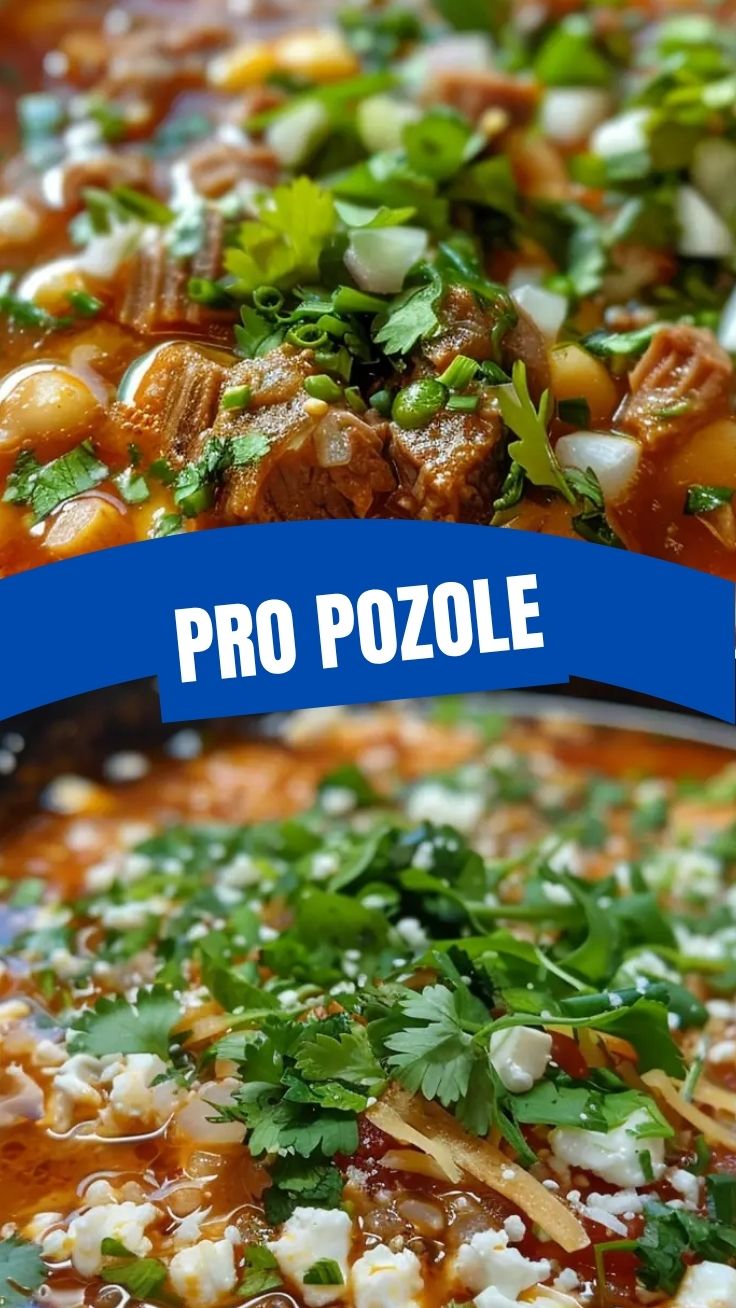
Pozole is a labor of love, but much of the cooking is hands-off simmering. Plan for ample time to allow the flavors to meld beautifully.
- Prep Time: 45 minutes (includes chopping, deseeding chilies, and rehydrating dried hominy if using).
- Cook Time: 2.5 – 3 hours (1.5-2 hours for pork, 30-45 minutes for chili paste, 30-45 minutes for final simmer).
- Resting Time: None explicitly required, but the flavors deepen even further overnight.
This schedule is perfect for a weekend cooking project or for a cozy dinner on a cooler evening. You can even prepare the chili paste and cook the pork ahead of time to streamline the process on a busy weeknight.
Step-by-Step Instructions
1. Prepare the Pork: In a large pot or Dutch oven, combine pork shoulder cubes, chopped white onion, smashed garlic, bay leaves, and enough chicken broth or water to cover the meat. Bring to a boil, then reduce heat, cover, and simmer for 1.5 to 2 hours, or until the pork is fork-tender. Skim off any foam that rises to the surface.
2. Make the Red Chile Paste: While the pork cooks, prepare your red chilies. Stem and deseed the Ancho and Guajillo chilies. Place them in a bowl and cover with hot water, allowing them to rehydrate for about 20-30 minutes until softened. Once soft, transfer the chilies to a blender with about 1 cup of the soaking liquid (or fresh water), minced garlic, Mexican oregano, and cumin powder. Blend until completely smooth. Strain the chili paste through a fine-mesh sieve into a separate bowl, pressing on the solids to extract all the liquid. Discard the solids.
3. Combine & Simmer: Once the pork is tender, remove it from the pot and shred it into bite-sized pieces using two forks. Discard the bay leaves. Return the shredded pork to the broth. Add the drained and rinsed hominy and the strained red chili paste to the pot. Stir well to combine. Bring the mixture to a gentle simmer, then reduce heat, cover, and cook for another 30-45 minutes, allowing all the flavors of this hearty Pozole to meld beautifully. Season with salt and black pepper to taste. Achieving the perfect depth of flavor in a pozole recipe often comes down to this final, patient simmer.
4. Serve: Ladle the hot Pozole into bowls. Serve with an array of fresh garnishes: thinly sliced radishes, shredded cabbage, lime wedges, and a side of tostadas or tortilla chips.
Nutritional Benefits & Advantages
This traditional Mexican stew is not only delicious but also packed with nutrients. Pork provides an excellent source of protein, essential for muscle repair and growth. Hominy, a form of corn, offers complex carbohydrates for sustained energy and dietary fiber, aiding digestion. The array of fresh garnishes like cabbage and radishes contributes vitamins, minerals, and antioxidants. The red chiles themselves contain capsaicin, which can boost metabolism and act as an anti-inflammatory. It’s a balanced meal that nourishes both body and soul.
Tips, Variations & Cooking Advice
- Pork Variations: While pork shoulder is classic, you can also use pork loin or even chicken for a lighter version.
- Green Pozole (Pozole Verde): For a different flavor profile, swap the dried red chilies for roasted tomatillos, jalapeños, and poblano peppers. Add cilantro and epazote to the blender for a vibrant green broth.
- Vegetarian Pozole: Omit the meat and increase the amount of hominy and add other hearty vegetables like potatoes, carrots, or even black beans. Use vegetable broth instead of chicken broth.
- Spicy Kick: For more heat, add a few de-seeded arbol chilies to the rehydrating mixture, or a pinch of cayenne pepper to the chili paste.
- Slow Cooker Method: Cook the pork and aromatics on low for 6-8 hours or high for 3-4 hours. Then proceed with adding the chili paste and hominy for the final simmer.
Common Mistakes to Avoid
- Not Draining Hominy: Canned hominy retains a briny liquid; make sure to drain and rinse it thoroughly to avoid affecting the Pozole’s flavor.
- Undercooking Pork: Tough pork is no one’s friend. Ensure the pork is fork-tender before moving to the next steps. Patience is key.
- Skipping the Straining: Straining the chili paste removes tough skin particles, resulting in a smooth, professional-looking broth. Don’t skip this step!
- Over-seasoning: Always taste and adjust seasoning incrementally. It’s easier to add salt than to remove it.
- Ignoring Garnish: The garnishes are not just for looks; they provide crucial texture and fresh flavor contrasts, don’t leave them out!
Storage & Meal Prep Tips
Pozole tastes even better the next day as the flavors continue to meld.
- Refrigeration: Store leftover Pozole in an airtight container in the refrigerator for up to 3-4 days.
- Freezing: Pozole freezes exceptionally well. Allow it to cool completely, then transfer to freezer-safe containers or bags. It can be frozen for up to 3 months.
- Reheating: Thaw frozen Pozole in the refrigerator overnight. Reheat gently on the stovetop over medium-low heat, stirring occasionally, until heated through. You might need to add a splash of broth or water if it’s too thick. For best results, add fresh garnishes just before serving.
Conclusion
Mastering a homemade Pozole is a rewarding culinary journey, bringing rich, authentic Mexican flavors right to your dining table. This pozole recipe is more than just food; it’s a celebration of heritage, comfort, and the simple joy of sharing a truly magnificent meal. So go ahead, gather your ingredients, follow these steps, and prepare to impress yourself and your loved ones with this incredible dish. Don’t forget to share your creations and any personal twists you discover – happy cooking!
FAQs
Q1: Can I use chicken instead of pork?
A1: Absolutely! Chicken Pozole (Pozole de Pollo) is a popular variation. Use boneless, skinless chicken thighs or breasts, cooking them until tender, then shredding.
Q2: What if I can’t find dried Ancho or Guajillo chilies?
A2: While fresh is best, some well-stocked supermarkets might carry dried chilies. If not, you can try a high-quality red enchilada sauce (ensure it’s mild and doesn’t contain too many artificial ingredients) as a last resort, but the flavor won’t be as authentic.
Q3: Is it possible to make this spicier?
A3: Yes! Add a few de-seeded chiles de árbol to the rehydrating mix with the other dried chilies for a significant boost in heat. You can also add a pinch of cayenne pepper to the chili paste.
Q4: How important is Mexican oregano versus regular oregano?
A4: Mexican oregano has a distinct earthy, citrusy, and slightly licorice-like flavor that differs from the minty, peppery notes of Mediterranean oregano. While regular oregano can be used in a pinch, Mexican oregano truly enhances the authentic flavor profile of Pozole.
Q5: My Pozole seems too watery/thick. How can I fix it?
A5: If it’s too watery, simmer it uncovered for a bit longer to allow some liquid to evaporate. If it’s too thick, add a little more chicken broth or water until it reaches your desired consistency.