Master the Art of Hearty Vegetable Soup: Your Ultimate Guide
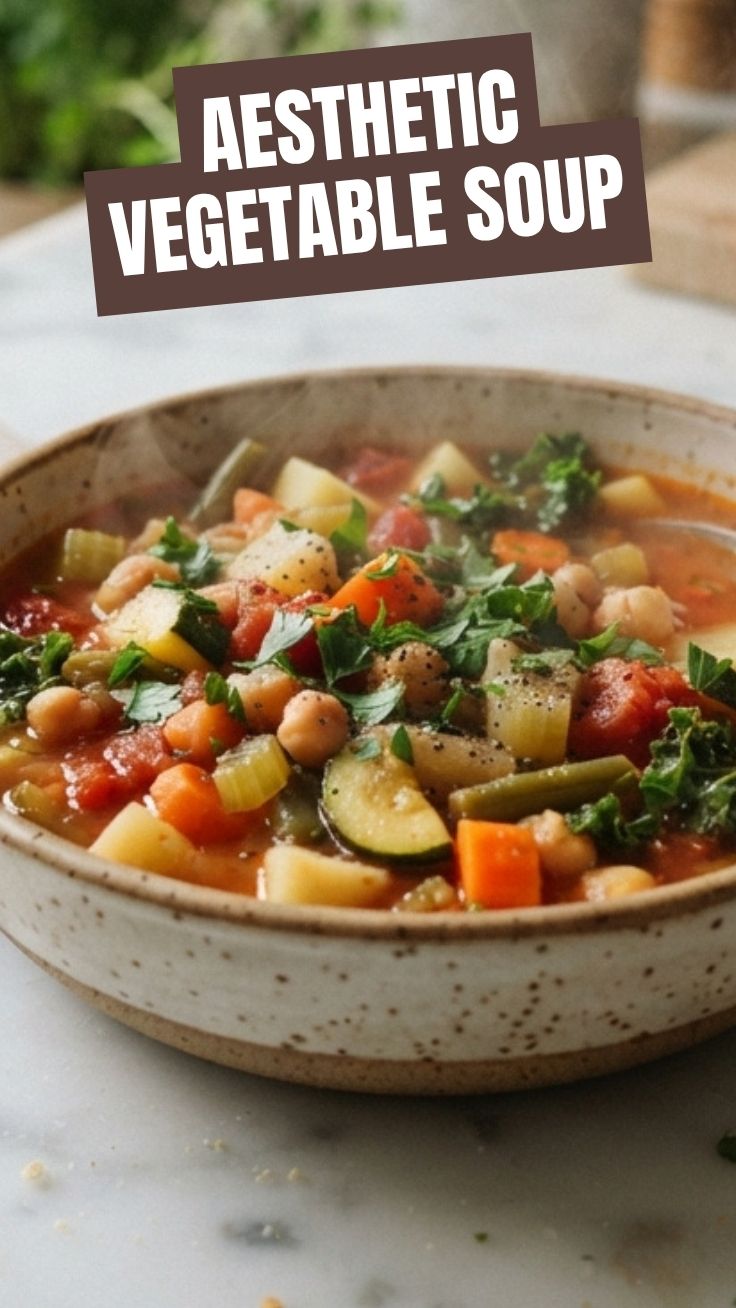
Ever wondered how to craft a bowl of soup so comforting and flavorful it feels like a warm hug? While countless recipes promise culinary bliss, the true magic often lies in the details. Today, we’re diving deep into creating the perfect Vegetable Soup – a dish that’s not just food, but an experience. There’s something uniquely satisfying about a Homemade Vegetable Soup, especially when you control every nourishing ingredient. This comprehensive guide will equip you with all the knowledge to transform simple vegetables into a hearty, soul-warming meal.
Ingredients & Kitchen Tools
Crafting the perfect soup requires quality ingredients and the right gear. Here’s what you’ll need:
- Extra Virgin Olive Oil (2 tbsp): For sautéing aromatics and building a rich flavor base.
- Yellow Onion (1 large, chopped): Adds sweetness and depth.
- Carrots (3 medium, chopped): Essential for natural sweetness and vibrant color.
- Celery Stalks (2, chopped): Provides aromatic foundation and a subtle peppery note.
- Garlic Cloves (4-5, minced): Infuses the soup with robust flavor.
- Diced Tomatoes (1 can, 28 oz, undrained): Adds tanginess and body.
- Vegetable Broth (6-8 cups): The liquid base; choose low-sodium for better control over seasoning.
- Potatoes (2 medium, peeled and cubed): Adds creaminess and heartiness. (Optional: Sweet potatoes for a touch of sweetness.)
- Green Beans (1 cup, fresh or frozen, trimmed): For texture and a hint of freshness.
- Zucchini (1 medium, chopped): A tender vegetable that cooks quickly.
- Spinach or Kale (2 cups, packed, roughly chopped): For a boost of nutrients and vibrant green color.
- Bay Leaf (1): Infuses a subtle aromatic essence.
- Dried Thyme (1 tsp): A classic herb that complements vegetables beautifully.
- Dried Oregano (1 tsp): Adds an earthy, robust flavor.
- Salt & Freshly Ground Black Pepper (to taste): Essential for seasoning.
- Fresh Parsley or Basil (for garnish, chopped): Adds a fresh finish and visual appeal.
Kitchen Tools:
- Large Stockpot or Dutch Oven: Crucial for even cooking and accommodating all ingredients.
- Cutting Board & Chef’s Knife: For efficient vegetable preparation.
- Measuring Cups & Spoons: For accurate ingredient quantities.
- Ladle: For serving.
- Potato Peeler: If using fresh potatoes.
Prep Time & Cooking Schedule
- Prep Time: 20-25 minutes (This includes chopping all your vegetables, which is the most time-consuming part. Having all your ingredients prepped and ready, known as “mise en place,” makes cooking much smoother.)
- Cook Time: 35-45 minutes (This accounts for sautéing aromatics, simmering vegetables until tender, and allowing flavors to meld.)
- Resting Time: 5-10 minutes (Allowing the soup to rest off the heat for a few minutes before serving helps the flavors to deepen and settle.)
This schedule allows you to have a hearty meal on the table in just over an hour, making it perfect for a weeknight dinner or a leisurely weekend lunch.
Step-by-Step Instructions
1. Sauté the Aromatics (5-7 minutes): Heat olive oil in a large stockpot or Dutch oven over medium heat. Add chopped onions, carrots, and celery. Sauté until softened, about 5-7 minutes, stirring occasionally. This step is crucial for building a flavorful base.
2. Add Garlic & Spices (1 minute): Stir in the minced garlic, dried thyme, and dried oregano. Cook for another minute until fragrant, being careful not to burn the garlic.
3. Introduce Liquids & Tomatoes (2 minutes): Pour in the diced tomatoes (undrained) and vegetable broth. Add the bay leaf. Bring the mixture to a gentle simmer.
4. Add Heartier Vegetables (15-20 minutes): Add the cubed potatoes to the pot. Cover and simmer for about 15-20 minutes, or until the potatoes are almost tender.
5. Incorporate Remaining Vegetables (5-10 minutes): Stir in the green beans and zucchini. Continue to simmer for another 5-10 minutes, or until all vegetables are tender-crisp. You don’t want them mushy!
6. Wilting Greens & Seasoning (2 minutes): Remove the bay leaf. Stir in the spinach or kale until it wilts, which should only take 1-2 minutes. Season the entire Vegetable Soup generously with salt and freshly ground black pepper to taste. Adjust seasoning as needed – a good Homemade Vegetable Soup balances savory, sweet, and sometimes a hint of acidity.
7. Serve: Ladle the hot soup into bowls. Garnish with fresh parsley or basil, if desired.
Nutritional Benefits & Advantages
This vibrant Vegetable Soup is a powerhouse of nutrition. It’s naturally low in calories and fat, yet incredibly filling due to its high fiber content from all the fresh vegetables. It provides essential vitamins (A, C, K), minerals (potassium, folate), and antioxidants that support overall health, boost immunity, and promote healthy digestion. Opting for a Homemade Vegetable Soup allows you to control sodium levels and avoid artificial additives often found in store-bought versions.
Tips, Variations & Cooking Advice
- Flavor Boost: For an extra layer of umami, add a splash of balsamic vinegar or a teaspoon of nutritional yeast just before serving.
- Protein Punch: Incorporate canned cannellini beans, chickpeas, or cooked lentils during the last 10 minutes of simmering for added protein. Cooked shredded chicken or turkey can also be added.
- Spice It Up: A pinch of red pepper flakes or a dash of hot sauce can add a pleasant kick.
- Herb Variations: Experiment with fresh herbs like rosemary or sage. Add them in the last few minutes of cooking.
- Creamy Texture: For a creamier soup, blend a portion of it with an immersion blender before adding the delicate greens, or stir in a splash of coconut milk or cashew cream at the end.
- Dietary Adaptations: This recipe is naturally gluten-free and vegan. Ensure your vegetable broth is certified gluten-free if needed.
Common Mistakes to Avoid
- Overcooking Vegetables: This is the most common mistake. Mushy vegetables lose their texture and some nutrients. Add them in stages based on their cooking time.
- Not Sautéing Aromatics Enough: Rushing this step means missing out on a crucial flavor foundation. Take your time to soften the onions, carrots, and celery.
- Under-Seasoning: Taste, taste, taste! Soup often needs more salt and pepper than you think, especially with a large volume of liquid.
- Forgetting the Bay Leaf: While small, it adds an important subtle background note. Remember to remove it before serving.
Storage & Meal Prep Tips
This soup is fantastic for meal prepping!
- Refrigeration: Store cooled soup in an airtight container in the refrigerator for up to 4-5 days.
- Freezing: For longer storage, freeze portions in freezer-safe containers or bags for up to 3 months. Thaw overnight in the refrigerator before reheating.
- Reheating: Reheat gently on the stovetop over medium-low heat until warmed through, or in the microwave. If it thickens too much, add a splash of water or broth. The flavors often deepen overnight, making it even better the next day!
Conclusion
Creating a truly satisfying Vegetable Soup is an incredibly rewarding culinary endeavor. By following these steps and embracing the nuances of cooking, you can consistently produce a bowl that’s not only delicious but also packed with nutrients and homemade goodness. We encourage you to try this recipe, experience the joy of a comforting Homemade Vegetable Soup, and share your results with us. Happy cooking!
FAQs
Q1: Can I use frozen mixed vegetables?
A1: Yes, absolutely! Frozen mixed vegetables are a convenient substitute. Add them during step 5, ensuring they are cooked through but not overdone.
Q2: How can I make this soup thicker?
A2: You can blend about 1-2 cups of the soup with an immersion blender until smooth, then stir it back into the pot. Alternatively, mash some of the potatoes against the side of the pot with your spoon.
Q3: What can I serve with this soup?
A3: This soup pairs wonderfully with crusty bread, a grilled cheese sandwich, or a light green salad.
Q4: Can I add meat to this recipe?
A4: Yes, cooked chicken or beef can be added during step 5. Ensure the meat is fully cooked before adding it to the soup.
Q5: My soup tastes bland. What should I do?
A5: The most common reason for bland soup is insufficient seasoning. Add more salt and pepper, a squeeze of lemon juice (for brightness), or a dash of your favorite hot sauce. A pinch of sugar can also balance the flavors.