Master the Art of Creamy Chicken Alfredo: Your Ultimate Homemade Guide
Tired of lackluster takeout and yearning for a restaurant-quality meal you can create in your own kitchen? Imagine a dish so rich, so comforting, and so utterly satisfying that it becomes an instant family favorite. We’re talking about the iconic Chicken Alfredo, a culinary masterpiece that, when prepared with love and the right techniques, elevates your dining experience. This comprehensive guide will empower you to craft a perfect bowl of creamy Fettuccine Alfredo from scratch, transforming your kitchen into a gourmet haven. Mastering this dish not only saves you money but also allows you to control the quality of ingredients, ensuring a healthier and more flavorful outcome. Let’s dive into the delicious world of homemade Alfredo!
Ingredients & Kitchen Tools
Crafting the perfect Alfredo requires a blend of fresh ingredients and essential kitchen implements.
- Boneless, Skinless Chicken Breasts (2 lbs): Fresh, high-quality chicken is key for tender results.
- Fettuccine Pasta (1 lb): The classic choice, its broad surface is perfect for clinging to the creamy sauce. You can substitute with linguine or tagliatelle for a similar experience.
- Heavy Cream (2 cups): The foundation of our rich Alfredo sauce. Look for full-fat for optimal creaminess.
- Unsalted Butter (½ cup): Adds depth of flavor and helps create a velvety texture.
- Parmesan Cheese (1 ½ cups, freshly grated): Grating your own ensures superior flavor and meltability compared to pre-shredded varieties. Pecorino Romano can be a punchier alternative.
- Garlic (4-5 cloves, minced): Infuses the sauce with aromatic goodness. Adjust to your preference.
- Olive Oil (2 tablespoons): For searing the chicken.
- Fresh Parsley (¼ cup, chopped): For garnish and a touch of freshness.
- Salt and Black Pepper (to taste): Essential for seasoning.
- Nutmeg (pinch, freshly grated): A secret ingredient that subtly enhances the creaminess and depth of the sauce.
Kitchen Tools:
- Large Skillet/Frying Pan: For cooking the chicken.
- Large Pot: For boiling pasta.
- Whisk: For emulsifying the sauce.
- Tongs: For handling chicken and pasta.
- Grater: For fresh Parmesan.
- Cutting Board and Knife: For prepping ingredients.
Prep Time & Cooking Schedule
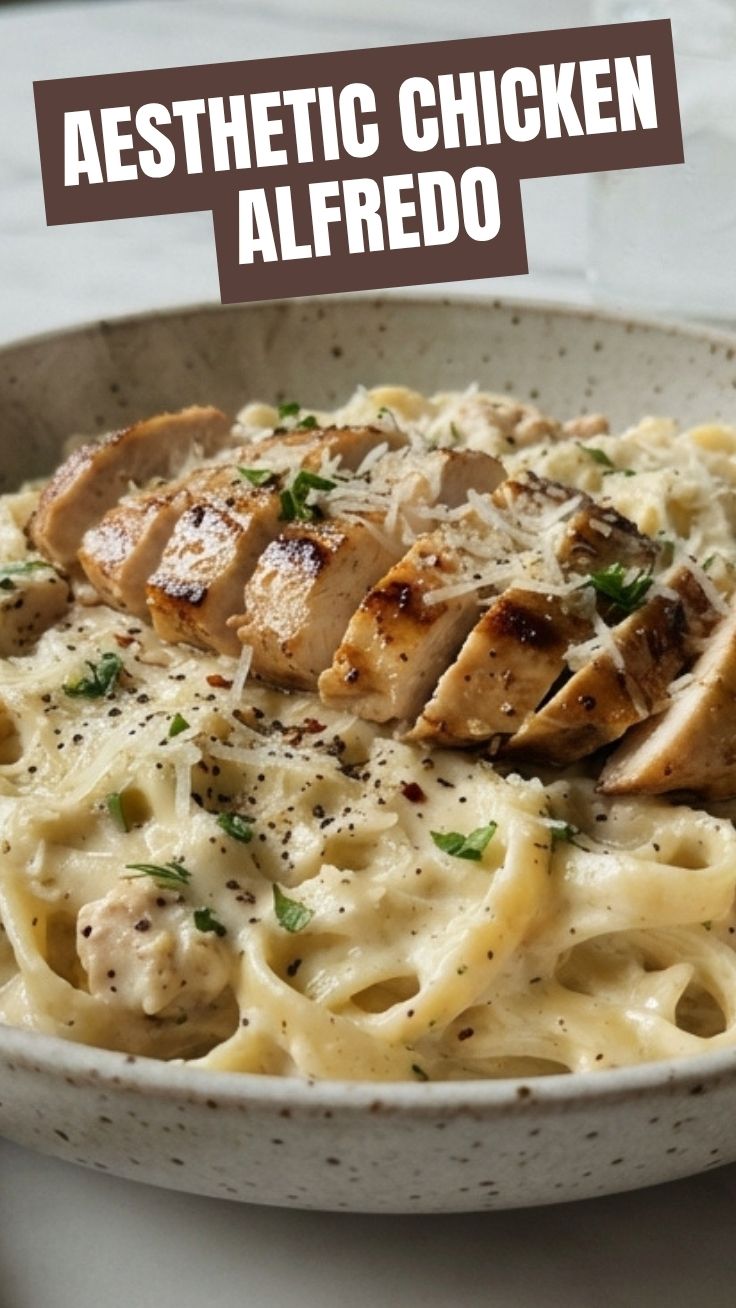
Planning is key to a smooth cooking experience!
- Prep Time: 15 minutes (slicing chicken, mincing garlic, grating cheese)
- Cook Time: 25-30 minutes (searing chicken, cooking pasta, making sauce)
- Total Time: 40-45 minutes
This recipe is designed for efficiency, allowing you to have a delicious meal on the table in under an hour. We recommend starting your pasta water as you begin searing the chicken, ensuring everything finishes around the same time.
Step-by-Step Instructions
Follow these clear steps to achieve Alfredo perfection:
1. Prepare the Chicken: Pat chicken breasts dry and slice them into ½-inch thick cutlets or bite-sized pieces. Season generously with salt and pepper. Heat olive oil in a large skillet over medium-high heat. Sear the chicken until golden brown and cooked through (internal temperature 165°F/74°C), about 4-5 minutes per side. Remove chicken from the skillet and set aside.
2. Cook the Pasta: While the chicken cooks, bring a large pot of salted water to a rolling boil. Add the Fettuccine Alfredo and cook according to package directions until al dente. Reserve about 1 cup of pasta water before draining.
3. Build the Alfredo Sauce: In the same skillet used for the chicken (don’t clean it, those browned bits add flavor!), melt the unsalted butter over medium heat. Add the minced garlic and sauté for 1 minute until fragrant.
4. Create the Creaminess: Slowly whisk in the heavy cream. Bring the mixture to a gentle simmer, stirring constantly. Reduce heat to low.
5. Incorporate Cheese and Seasoning: Gradually add the freshly grated Parmesan cheese, whisking continuously until the cheese has melted and the sauce is smooth. Stir in the pinch of nutmeg, salt, and pepper to taste. If the sauce is too thick, add a tablespoon or two of the reserved pasta water until it reaches your desired consistency. This is where your delicious Chicken Alfredo truly comes to life!
6. Combine and Serve: Add the cooked chicken back into the skillet with the sauce. Toss in the drained fettuccine pasta, ensuring every strand is coated in the luxurious sauce. Garnish with fresh parsley. Serve immediately.
Nutritional Benefits & Advantages
Beyond its undeniable deliciousness, homemade Chicken Alfredo offers several advantages. Chicken is an excellent source of lean protein, essential for muscle repair and satiety. Dairy products, like heavy cream and Parmesan, provide calcium for bone health. By making it at home, you control the amount of salt, fat, and preservatives, making it a healthier alternative to many restaurant versions. You can also easily incorporate fresh vegetables like broccoli or spinach for added vitamins and fiber.
Tips, Variations & Cooking Advice
- Spice It Up: Add a pinch of red pepper flakes to the sauce for a subtle kick.
- Veggie Boost: Sauté mushrooms, spinach, or asparagus with the garlic for added nutrients and flavor.
- Gluten-Free: Substitute regular fettuccine with gluten-free pasta. Ensure your chicken broth (if using any) and other ingredients are certified gluten-free.
- Dairy-Free: Use a cashew cream sauce base or a good quality plant-based heavy cream and dairy-free Parmesan alternative. Be mindful of texture differences.
- Lemon Zest: A squeeze of fresh lemon juice or a sprinkle of zest at the end can brighten the entire dish.
- Herb Power: Experiment with other fresh herbs like basil or thyme for different flavor profiles.
Common Mistakes to Avoid
- Overcooking the Pasta: Mushy pasta is a cardinal sin! Cook only until al dente, as it will continue to cook slightly when tossed with the hot sauce.
- Pre-Shredded Cheese: These often contain anti-caking agents that prevent smooth melting, leading to a grainy sauce. Always grate your own.
- High Heat on Sauce: Cooking the cream and cheese over too high heat can cause the sauce to separate or become oily. Keep it on low to medium-low.
- Not Seasoning Enough: Taste as you go! Adjust salt, pepper, and even a touch more nutmeg as needed.
- Draining Pasta Water Completely: That starchy water is liquid gold! It helps thin the sauce if needed and aids in emulsification.
Storage & Meal Prep Tips
Leftover Chicken Alfredo can be stored in an airtight container in the refrigerator for up to 3-4 days.
- Reheating: Reheat gently on the stovetop over low heat, adding a splash of milk or heavy cream to loosen the sauce and restore its creamy texture. Avoid microwaving on high, as this can cause the sauce to separate.
- Freezing: While possible, freezing Alfredo is not ideal as the cream can separate upon thawing, affecting the texture. If you must freeze, ensure it’s in an airtight container for no more than 1-2 months and expect some textural changes.
Conclusion
You now have all the tools and knowledge to create a truly exceptional Chicken Alfredo that rivals any restaurant. This classic, comforting dish is a testament to the power of simple, quality ingredients transformed with a little culinary know-how. Don’t be intimidated by the idea of homemade Fettuccine Alfredo; with these clear instructions, you’ll be serving up bowls of creamy deliciousness in no time. Give this recipe a try, impress your family and friends, and share your culinary triumphs in the comments below! What are your favorite Alfredo variations?
FAQs
Q1: Can I use different types of pasta?
A1: Absolutely! While fettuccine is traditional, penne, linguine, or even spaghetti can work well. Choose a pasta shape that holds sauce effectively.
Q2: My sauce is too thick/thin. How do I fix it?
A2: If too thick, gradually whisk in some reserved pasta water or a splash of milk/cream until desired consistency. If too thin, continue to simmer gently, stirring, until it thickens slightly, or add a little more grated Parmesan.
Q3: Can I make the Alfredo sauce ahead of time?
A3: It’s best to make the sauce fresh. Cream-based sauces can sometimes separate when reheated after cooling. If you must, reheat very gently over low heat, whisking in a little extra cream or milk.
Q4: How can I make this dish lighter?
A4: You can use half-and-half instead of heavy cream for a slightly lighter sauce, but be aware it may not be as rich. Incorporating more vegetables is another great way to boost nutrition without sacrificing flavor significantly.
Q5: What wine pairs well with Chicken Alfredo?
A5: A light-bodied white wine like Chardonnay (unoaked), Pinot Grigio, or Sauvignon Blanc complements the richness of the Alfredo sauce beautifully without overwhelming it.