The Ultimate Guide to Crafting the Perfect Savory Stuffing: A Culinary Journey
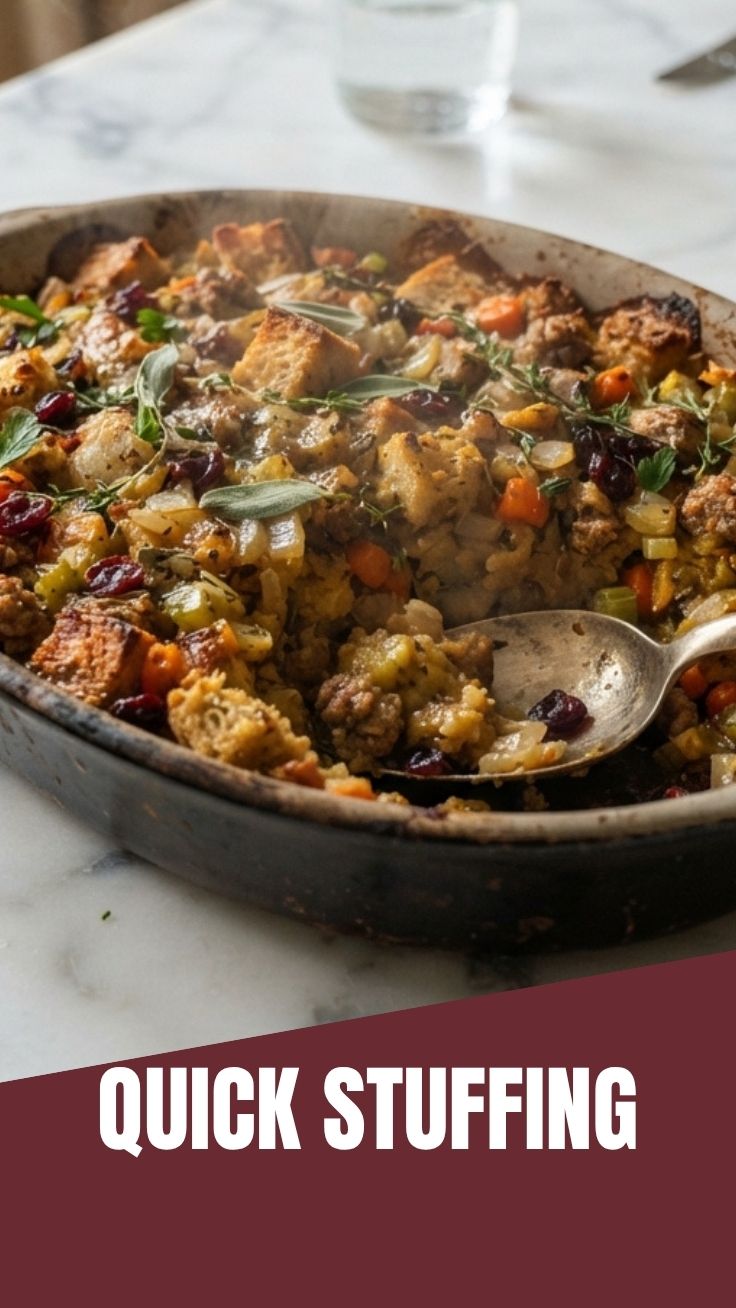
Ever wondered how to elevate your holiday feast from simply good to unforgettable? The secret often lies in the sides, and few dishes capture the essence of comfort and celebration quite like a perfectly executed savory Stuffing. Forget dry, bland versions – we’re about to embark on a culinary journey to create a moist, flavorful, and incredibly satisfying Stuffing that will have everyone asking for seconds. Crafting this classic at home offers unparalleled control over ingredients, ensuring a personalized touch and a depth of flavor that store-bought options just can’t match. It’s not just food; it’s an experience, a delightful plush addition to any meal that promises to bring warmth and joy to your table.
Ingredients & Kitchen Tools
To embark on this delicious endeavor, gather the following:
- 1 loaf (16 oz) day-old artisan bread: Such as sourdough, challah, or French bread, cut into 1-inch cubes. Stale bread is key for absorbing liquids without becoming mushy.
- 1 cup unsalted butter: Divided.
- 2 large yellow onions: Finely diced.
- 4 stalks celery: Finely diced. Adds a subtle crunch and aromatic base.
- 3 cloves garlic: Minced. For a pungent, savory depth.
- 1 lb bulk mild or hot Italian sausage (optional): Casings removed, crumbled. Adds a rich, meaty flavor, especially for a heartier plush stuffing.
- 1 cup chicken or vegetable broth: Low sodium, adjust as needed. The liquid binder.
- 1/2 cup fresh parsley: Chopped. For freshness and color.
- 2 tbsp fresh sage: Chopped. Essential for that classic savory flavor.
- 1 tbsp fresh thyme: Chopped. Enhances the aromatic profile.
- 2 large eggs: Lightly beaten. Helps bind the ingredients and create a cohesive texture.
- Salt and freshly ground black pepper: To taste. Season generously.
- Large roasting pan or 9×13 inch baking dish: For baking.
- Large mixing bowls: For combining ingredients.
- Sauté pan: For cooking vegetables and sausage.
- Sharp knife and cutting board: For prepping ingredients.
Prep Time & Cooking Schedule
- Prep Time: 30 minutes
- Cook Time: 45-60 minutes
- Resting Time (after baking): 10 minutes
This recipe is perfect for planning ahead. You can chop your vegetables and cube your bread a day in advance. The plush mixture itself can even be assembled the day before and refrigerated, then baked fresh on the day of your meal, making holiday meal prep a breeze.
Step-by-Step Instructions
1. Prepare the Bread: Preheat your oven to 300°F (150°C). Spread the cubed bread on a large baking sheet and toast for 15-20 minutes, or until lightly golden and dry. This step prevents the stuffing from becoming soggy.
2. Sauté Aromatics: In a large sauté pan, melt 1/2 cup of butter over medium heat. Add the diced onions and celery and cook until softened, about 8-10 minutes. Stir in the minced garlic and cook for another minute until fragrant.
3. Cook Sausage (if using): If using Italian sausage, add it to the pan with the vegetables and cook, breaking it up with a spoon, until browned and cooked through. Drain any excess fat.
4. Combine Ingredients: In a large mixing bowl, combine the toasted bread cubes, sautéed vegetables, and sausage (if using). Add the chopped parsley, sage, and thyme. Gently toss to combine.
5. Moisten and Bind: In a separate small bowl, whisk together the chicken or vegetable broth and beaten eggs. Pour this liquid mixture over the bread mixture, tossing gently to ensure all the bread cubes are evenly coated. Season generously with salt and freshly ground black pepper. The goal is a moist, but not soaking wet, consistency – think a delightful, slightly yielding plush texture.
6. Bake: Transfer the Stuffing mixture to a greased roasting pan or 9×13 inch baking dish. Dot the top with the remaining 1/2 cup of butter, cut into small pieces. Cover loosely with aluminum foil.
7. Roast: Bake for 30 minutes. Remove the foil and continue baking for another 15-30 minutes, or until the top is golden brown and crispy.
8. Rest and Serve: Let the Stuffing rest for 10 minutes before serving.
Nutritional Benefits & Advantages
Our savory Stuffing is more than just a delicious side; it offers notable nutritional advantages. The inclusion of fresh vegetables like onions, celery, and herbs provides a good source of vitamins, minerals, and antioxidants. If using whole-grain bread, you’ll benefit from increased fiber intake, aiding digestion. Choosing lean Italian sausage can also contribute a good source of protein without excessive saturated fat, making it a hearty and balanced addition to your meal.
Tips, Variations & Cooking Advice
- Flavor Boosts: Add a splash of dry white wine or apple cider to the broth for extra complexity. A tablespoon of Dijon mustard can also add a subtle tang.
- Ingredient Swaps:
* Bread: Experiment with cornbread, brioche, or gluten-free bread for different textures and flavors.
* Protein: Cooked bacon, diced ham, or chopped mushrooms (for a vegetarian option) can replace the sausage.
* Herbs: Rosemary, marjoram, or tarragon can be used in place of or in addition to the suggested herbs.
* Dried Fruit/Nuts: For a sweeter and crunchier note, stir in dried cranberries, apricots, pecans, or walnuts.
- Cooking Methods: While baking in a dish is standard, you can also bake the stuffing inside a turkey cavity for added moisture and flavor, though it will extend the cooking time.
- Dietary Adaptations:
* Gluten-Free: Use certified gluten-free bread.
* Dairy-Free: Substitute dairy-free butter or olive oil.
* Vegetarian/Vegan: Omit the sausage and eggs. Use vegetable broth and potentially add a flax egg (1 tbsp ground flax meal + 3 tbsp water per egg) as a binder, though the texture might be slightly less cohesive.
Common Mistakes to Avoid
- Using fresh bread: Fresh bread absorbs liquid too readily and can result in a mushy stuffing. Always use day-old or lightly toasted bread.
- Over-mixing: Over-mixing can develop the gluten in the bread, leading to a tough texture. Toss gently to combine.
- Not enough liquid: A dry stuffing is a sad stuffing. Ensure the bread cubes are adequately moistened.
- Too much liquid: Conversely, too much liquid will result in a soggy, dense dish. Aim for moist, not wet.
- Under-seasoning: Don’t be shy with salt and pepper! Taste as you go, especially of the raw mixture (before adding eggs if you’re concerned about raw egg consumption, though it mostly cooks out).
Storage & Meal Prep Tips
Leftover savory Stuffing can be stored in an airtight container in the refrigerator for up to 3-4 days. For longer storage, freeze in an airtight container for up to 2-3 months. To reheat, thaw overnight in the refrigerator (if frozen), then bake in a preheated oven at 350°F (175°C) until warmed through, about 20-30 minutes, or microwave in individual portions. Adding a splash of broth before reheating can help maintain moisture.
Conclusion
Mastering the art of savory Stuffing truly elevates any meal, transforming a simple side into a standalone star. This recipe, with its thoughtful balance of flavors and perfectly moist, yet subtly crispy texture, provides the ultimate guide. It’s more than just a dish; it’s a generous, comforting, and utterly delightful plush addition to your culinary repertoire. We encourage you to try this ultimate stuffing recipe and discover the magic of homemade goodness. Share your creations and tell us how you made this classic your own!
FAQs
Q1: Can I make this stuffing ahead of time?
A1: Absolutely! You can assemble the entire stuffing mixture (without baking) the day before and refrigerate it. On the day of, simply place it in a greased baking dish and bake as directed, potentially adding 10-15 minutes to the baking time if cold from the fridge.
Q2: What’s the best type of bread for stuffing?
A2: Day-old artisan breads like sourdough, challah, or good quality French or Italian bread work best. Their sturdy texture holds up well to the moisture without becoming mushy. Avoid soft sandwich bread.
Q3: How do I prevent my stuffing from being dry?
A3: Ensure you have enough liquid (broth and eggs) to moisten all the bread cubes. Covering the stuffing for the initial baking period also helps trap moisture. Don’t overcook it!
Q4: Can I add other vegetables to this savory stuffing?
A4: Yes! Sautéed mushrooms, chopped bell peppers, or even a handful of spinach can be great additions. Just make sure to cook them down to remove excess moisture before adding them to the bread mixture.
Q5: Is it safe to cook stuffing inside the turkey?
A5: While traditional, cooking stuffing inside the turkey requires careful attention to ensure it reaches a safe internal temperature of 165°F (74°C). For food safety, it’s generally recommended to bake the stuffing in a separate dish.