Unlock the Secret to the Most Irresistible Creamy Mashed Potatoes You’ve Ever Tasted!
Are you tired of bland, lumpy mashed potatoes? Do you dream of a side dish so rich and velvety it could steal the show from your main course? Preparing perfect Mashed Potatoes at home isn’t just about a side dish; it’s about culinary comfort and mastering a fundamental skill that elevates countless meals. Beyond the unparalleled flavor and texture you can achieve, crafting your own ensures fresh, wholesome ingredients and allows for personalized adjustments to suit every palate. This foundational recipe not only makes for an incredible accompaniment but also unlocks a world of possibilities for other delightful potato recipes.
Ingredients & Kitchen Tools
2 lbs Russet or Yukon Gold Potatoes: Russets offer a fluffy texture, while Yukon Golds yield a naturally creamy consistency. Avoid waxy varieties like red or new potatoes, as they can become gummy.*
1/2 cup Whole Milk (or heavy cream): Adds richness and creaminess. Non-dairy alternatives like almond or oat milk can be used for a dairy-free version, though the texture may vary slightly.*
4 tbsp Unsalted Butter (cold, cut into cubes): Incorporating cold butter gradually ensures a richer, more emulsified mash. Salted butter can be used, but adjust added salt accordingly.*
1 tsp Sea Salt (or to taste): Essential for bringing out the potato’s flavor. Start with a smaller amount and adjust.*
1/4 tsp Black Pepper (freshly ground): Adds a subtle warmth and aroma. Adjust to your preference.*
Optional: 1-2 cloves Garlic (minced, for infusing milk): Adds aromatic depth without being overpowering.*
Optional: Fresh Chives or Parsley (chopped, for garnish): Lends a pop of color and fresh herbaceousness.*
Large Pot with Lid: For boiling the potatoes.*
Colander: For draining water effectively.*
Potato Masher, Ricer, or Food Mill: A ricer creates the smoothest, fluffiest results. A masher works well for a slightly chunkier texture.*
Large Mixing Bowl: For mashing and incorporating ingredients.*
Rubber Spatula or Wooden Spoon: For stirring and folding.*
Prep Time & Cooking Schedule
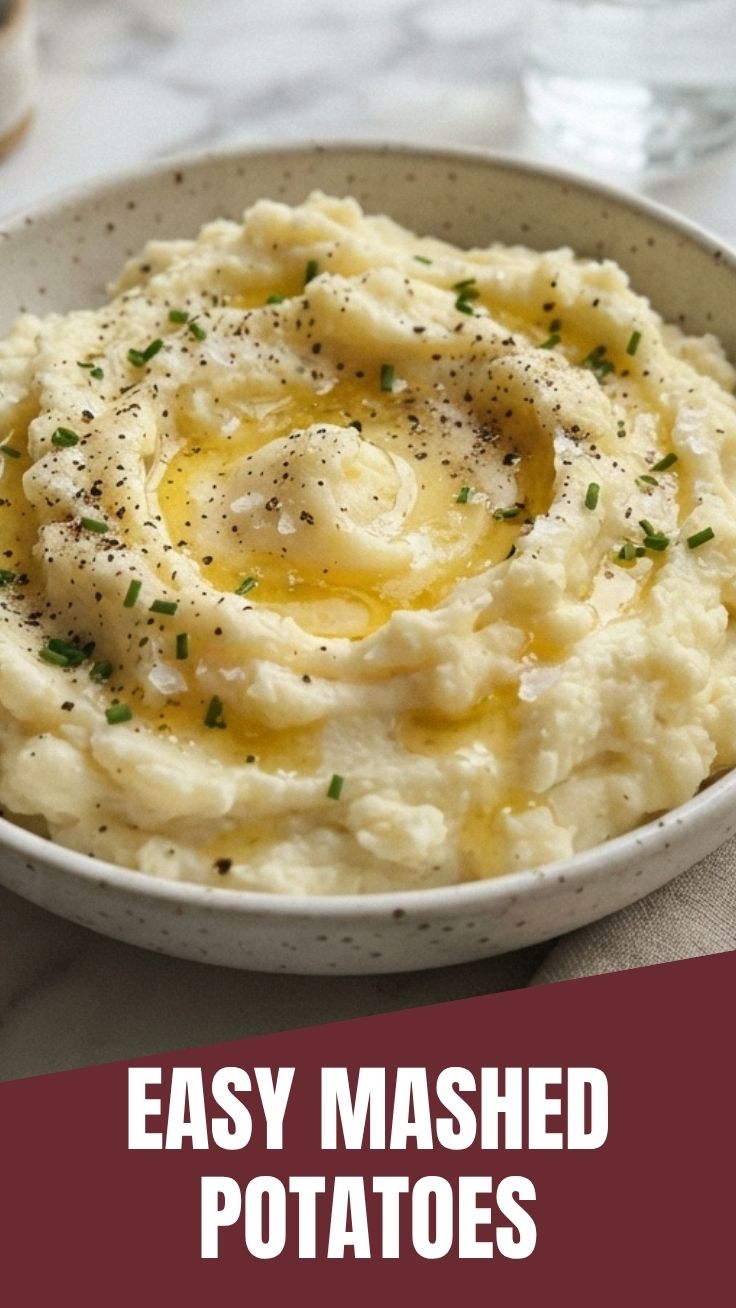
- Prep Time: 15 minutes (Includes peeling and chopping potatoes)
- Cook Time: 20-25 minutes (Boiling potatoes)
- Resting Time: 5 minutes (Post-mashing, if desired, to allow flavors to meld)
This schedule allows you to have perfectly fluffy mashed potatoes ready in under an hour, making it an ideal side for weeknight dinners or special occasions. Plan to start boiling the potatoes about 30 minutes before you want them on the table.
Step-by-Step Instructions
1. Prepare the Potatoes: Peel the potatoes and cut them into 1-inch uniform cubes. This ensures even cooking. Place the cut potatoes in the large pot and cover them with cold water by about an inch. Add a generous pinch of salt to the water (like pasta water – this seasons the potatoes from the inside out).
2. Boil Until Tender: Bring the water to a boil over high heat, then reduce heat to medium-low and simmer until the potatoes are fork-tender, about 15-20 minutes. They should practically fall apart when pierced. Don’t overcook, or they’ll become waterlogged.
3. Drain Thoroughly: Drain the potatoes completely in a colander. For the best Mashed Potatoes, return the drained potatoes to the empty hot pot over very low heat for 1-2 minutes, shaking gently. This helps evaporate excess moisture, crucial for a fluffy texture.
4. Heat the Dairy (Optional Garlic Infusion): While the potatoes are drying, gently heat the milk (and minced garlic, if using) in a small saucepan over low heat until just steaming, but not boiling. This helps the milk incorporate smoothly and prevents cooling the potatoes. Remove garlic before adding to potatoes.
5. Mash the Potatoes: Transfer the dried potatoes to a large mixing bowl. Using a potato ricer, food mill, or masher, break down the potatoes until smooth. Pro-tip: For the fluffiest results, press them through a ricer while still hot.
6. Incorporate Butter & Milk: Add the cold butter cubes to the hot mashed potatoes. Stir gently until the butter is mostly melted. Gradually pour in the warm milk, stirring gently with a rubber spatula until just combined and creamy. Avoid overmixing, which can lead to gummy potatoes.
7. Season and Serve: Season with sea salt and freshly ground black pepper to taste. Taste and adjust. If using, garnish with fresh chives or parsley. Serve immediately and enjoy these perfectly crafted potato recipes!
Nutritional Benefits & Advantages
Potatoes, often maligned, are a powerhouse of nutrition when prepared healthily. They are an excellent source of Vitamin C, helping to boost immunity, and provide a good amount of potassium, crucial for blood pressure regulation. They also offer dietary fiber, especially when the skin is left on (though for classic mash, we usually remove it). When made with whole milk and real butter, these mashed potatoes provide energy and satiety, making them a comforting and nourishing part of a balanced meal.
Tips, Variations & Cooking Advice
- Garlic Infusion: For an amazing flavor, gently simmer a few peeled garlic cloves in the milk for 5-10 minutes before adding to the potatoes. Remove the cloves or mash them in for a stronger garlic punch.
- Herbaceous Delight: Stir in fresh chopped rosemary, thyme, or chives at the end for an aromatic twist.
- Cheesy Goodness: Fold in a handful of shredded Parmesan, cheddar, or Gruyère cheese after mashing for a cheesy version.
- Dairy-Free: Substitute whole milk with warmed unsweetened almond or oat milk, and unsalted butter with a high-quality vegan butter or olive oil.
- Spice It Up: A pinch of nutmeg can add a subtle layer of complexity.
- Tangy Kick: A spoonful of sour cream or crème fraîche can add a lovely tang and extra creaminess.
- Make Ahead: While best served fresh, you can make them a few hours ahead and keep them warm in a slow cooker on the “warm” setting with a splash of extra milk or cream, stirring occasionally.
Common Mistakes to Avoid
- Overcooking Potatoes: Leads to waterlogged, mushy, and less flavorful potatoes. Cook just until fork-tender.
- Undercooking Potatoes: Results in lumpy mashed potatoes.
- Mashing Cold Potatoes: Cold potatoes are much harder to mash smoothly and will likely result in lumps.
- Using the Wrong Potato Type: Waxy potatoes contain more moisture and less starch, making them gummy when mashed.
- Overmixing: Vigorously or excessively mashing/mixing turns the starches in potatoes into a glue-like substance, leading to a gummy, unappetizing texture. Mash gently and just until smooth.
- Not Seasoning Enough: Potatoes absorb a lot of salt. Don’t be shy, but taste as you go!
Storage & Meal Prep Tips
Leftover mashed potatoes can be stored in an airtight container in the refrigerator for up to 3-4 days. To reheat, gently warm them in a saucepan over low heat, stirring frequently, adding a splash of milk or cream to restore their creamy texture. They can also be reheated in the microwave, stirring every minute until warm. Freezing mashed potatoes is possible, but they may lose some of their smooth texture upon thawing. For freezing, allow them to cool completely, then store in freezer-safe bags or containers for up to 2 months. Thaw overnight in the refrigerator before reheating.
Conclusion
Mastering the art of perfect Mashed Potatoes is a kitchen essential that brings immense satisfaction and culinary joy. With this comprehensive guide, you’re now equipped to create a dish that’s rich, creamy, and undeniably delicious every time. Don’t be afraid to experiment with the variations to find your signature touch! We encourage you to try this recipe, share your delightful results, and explore our other incredible potato recipes to expand your culinary repertoire. Happy mashing!
FAQs
Q: Can I use a food processor to mash potatoes?
A: We strongly advise against using a food processor. The high-speed blades will overwork the potato starches almost instantly, resulting in a gluey, unappetizing texture rather than a fluffy mash. A ricer or a hand masher is always preferred.
Q: My mashed potatoes turned out gummy. What went wrong?
A: Gummy mashed potatoes are almost always a result of overmixing. Potatoes contain starch, and prolonged agitation (especially with electric mixers or food processors) breaks down these starches too much, making them sticky and glue-like. Mash gently and only until smooth.
Q: How can I keep my mashed potatoes warm for a party?
A: You can keep mashed potatoes warm in a slow cooker set to the “warm” setting for up to 2 hours. Stir occasionally and add a bit more warm milk or butter if they seem to be drying out. You can also place the bowl of mashed potatoes over a pot of simmering water (bain-marie) on low heat, stirring occasionally.
Q: What’s the best way to add flavor beyond salt and pepper?
A: Infusing the milk with garlic or bay leaves, stirring in fresh herbs like chives or rosemary, or folding in cheese are excellent ways to elevate the flavor. A pinch of nutmeg also complements the richness beautifully.
Q: Can I make these dairy-free?
A: Absolutely! Replace whole milk with unsweetened almond, oat, or soy milk (warmed), and use a high-quality vegan butter or a good olive oil in place of dairy butter. The texture will be slightly different but still delicious.