Craving a Taste of Sicily? Master Authentic Pasta alla Norma at Home!
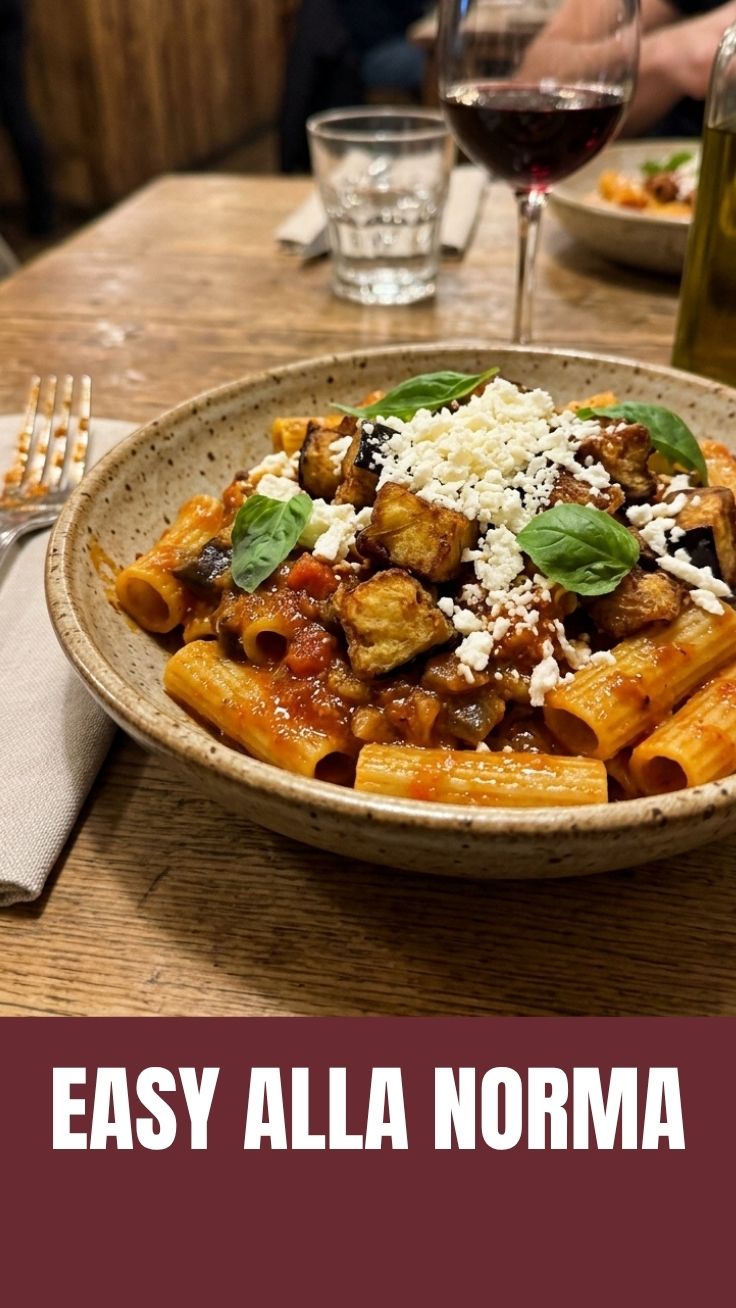
Ever wondered how to bring the vibrant, sun-drenched flavors of Sicilian cuisine to your dinner table without booking a flight? The answer lies in mastering a culinary jewel: Pasta alla Norma (Eggplant). This dish is more than just pasta; it’s a celebration of simple, fresh ingredients expertly combined to create an explosion of taste. Preparing this iconic recipe at home offers not only the satisfaction of a homemade meal but also the opportunity to truly customize and savor every single bite. Forget bland, uninspired dinners – today, we embark on a flavorful journey to craft this irresistible Sicilian classic.
Ingredients & Kitchen Tools
- 2 medium eggplants (about 1.5 lbs): Look for firm, glossy eggplants. Alternatively, use Japanese eggplants for a milder flavor.
- 1 lb short pasta (rigatoni, penne, or macaroni): Rigatoni is traditional, holding the sauce beautifully. Durum wheat pasta is ideal for a superior texture.
- 28 oz can crushed San Marzano tomatoes: These tomatoes are known for their sweet, less acidic flavor. A good quality canned diced tomato can be substituted.
- 3-4 cloves garlic, minced: Freshly minced garlic yields the best flavor.
- ½ cup fresh basil leaves, torn or chopped: Don’t skimp on fresh basil; it’s crucial for the authentic aroma. Dried basil can be used in a pinch (about 1.5 tsp), but fresh is highly recommended.
- ½ cup ricotta salata, grated: This salty, aged ricotta cheese is non-negotiable for true Pasta alla Norma. If unavailable, a strong pecorino romano can be a very distant substitute, but the dish won’t be authentic.
- ¼ cup extra virgin olive oil: For sautéing and finishing. A high-quality oil makes a noticeable difference.
- Salt and freshly ground black pepper to taste: Essential for seasoning at various stages.
- Pinch of red pepper flakes (optional): For a subtle kick.
Kitchen Tools:
- Large pot for boiling pasta
- Large skillet or Dutch oven for the sauce
- Colander
- Cutting board and sharp knife
- Grater for ricotta salata
Prep Time & Cooking Schedule
- Prep Time: 25 minutes (includes salting eggplant)
- Cook Time: 40 minutes
- Resting Time: 10 minutes (for eggplant to drain)
Plan to start by salting your eggplant; this crucial step takes about 10 minutes but saves you from soggy eggplant woes. While the eggplant drains, you can prep your garlic and basil and get the tomato sauce simmering. The entire process flows smoothly, making it a perfect weeknight meal with a bit of planning.
Step-by-Step Instructions
1. Prepare the Eggplant: Wash and trim the eggplants. Cut them into ½-inch cubes or slices. Place the eggplant pieces in a colander, sprinkle generously with salt, and let them sit for at least 10 minutes (or up to 30 minutes) to draw out excess moisture and bitterness. Pat them thoroughly dry with paper towels before cooking. This ensures a crispier, less oily eggplant.
2. Fry the Eggplant: Heat ¼ cup of extra virgin olive oil in a large skillet over medium-high heat. Once hot (but not smoking), add the dried eggplant in batches if necessary to avoid overcrowding. Fry until golden brown and tender, about 5-7 minutes per batch. Remove with a slotted spoon and place on a paper towel-lined plate to drain excess oil. Season lightly with salt.
3. Start the Sauce: In the same skillet (add a little more olive oil if needed), lower the heat to medium. Add the minced garlic and sauté for 1-2 minutes until fragrant, being careful not to burn it.
4. Add Tomatoes and Seasoning: Pour in the crushed San Marzano tomatoes. Stir in a pinch of red pepper flakes (if using), salt, and black pepper. Bring the sauce to a gentle simmer, then reduce heat to low, cover, and let it cook for at least 20 minutes, allowing the flavors to meld. Stir occasionally.
5. Cook the Pasta: While the sauce simmers, bring a large pot of generously salted water to a rolling boil. Add your chosen short pasta and cook according to package directions until al dente. Reserve about 1 cup of pasta water before draining.
6. Combine and Finish: Add the fried eggplant to the tomato sauce. Drain the cooked pasta and add it directly to the sauce. Add most of the fresh basil and stir everything together, adding a splash of reserved pasta water if the sauce seems too thick. Cook for another 1-2 minutes, allowing the pasta to absorb the sauce.
7. Serve: Serve immediately, garnishing each serving generously with grated ricotta salata and a few extra fresh basil leaves. This authentic Pasta alla Norma (Eggplant) embodies the heart of traditional Sicilian cuisine, a true taste of the island.
Nutritional Benefits & Advantages
Pasta alla Norma (Eggplant) is a surprisingly healthy and satisfying dish. Eggplants are rich in fiber, antioxidants (especially nasunin in their purple skin), and vitamins B1 and B6, which are crucial for energy metabolism. Tomatoes provide a significant amount of lycopene, a powerful antioxidant linked to heart health and cancer prevention. Basil offers anti-inflammatory properties, while olive oil, a cornerstone of the Mediterranean diet, provides healthy monounsaturated fats. This vegetarian meal is packed with nutrients and flavors, making it a great option for a balanced diet.
Tips, Variations & Cooking Advice
- Roasting Eggplant: For a healthier alternative to frying, roast the salted eggplant cubes in a single layer at 400°F (200°C) for 20-25 minutes until tender and slightly browned. Toss with a little olive oil before roasting.
- Spicy Kick: Increase the red pepper flakes for a spicier sauce.
- Vegan Version: Omit the ricotta salata and serve with a sprinkle of nutritional yeast for a cheesy, umami flavor.
- Fresh Tomatoes: In peak summer, feel free to use 2 lbs of fresh, ripe tomatoes, blanched, peeled, and chopped, instead of canned.
- Herb Variations: While basil is traditional, a touch of fresh oregano can also be a lovely addition.
Common Mistakes to Avoid
- Not Salting the Eggplant: Skipping this step leads to watery, bitter, and overly oily eggplant. Don’t rush it!
- Overcrowding the Pan: When frying eggplant, overcrowding lowers the oil temperature, leading to soggy, steamed eggplant rather than crispy. Fry in batches.
- Burning the Garlic: Garlic burns quickly and becomes bitter. Keep an eye on it and cook over medium heat.
- Using the Wrong Cheese: While other cheeses are tasty, ricotta salata is what defines Pasta alla Norma. Substitutions significantly alter the dish’s character.
Storage & Meal Prep Tips
Leftover Pasta alla Norma (Eggplant) stores beautifully. Allow it to cool completely, then transfer to an airtight container. It can be refrigerated for up to 3-4 days. To reheat, gently warm on the stovetop over low heat, adding a splash of water or vegetable broth if the sauce has thickened too much. While it can be frozen for up to 2-3 months, the texture of the eggplant might become slightly softer upon thawing. It’s often best enjoyed fresh or within a few days.
Conclusion
Embracing the art of preparing Pasta alla Norma (Eggplant) at home is a delightful journey into the heart of authentic Sicilian cuisine. This dish, with its rich flavors and captivating history, proves that gourmet meals don’t have to be complicated. By following these steps, you’ve not only created a delicious meal but also connected with centuries of culinary tradition. We encourage you to try this recipe and share your creations with us! Buon appetito!
FAQs
Q1: Can I use pre-cut eggplant?
A1: Yes, but ensure you still salt and drain it to remove excess moisture.
Q2: What’s the best type of pasta for this dish?
A2: Short, sturdy pasta shapes like rigatoni, penne, or paccheri work best as they hold the rich sauce well.
Q3: My eggplant is getting soggy. What am I doing wrong?
A3: This usually means you didn’t sufficiently salt and dry the eggplant, or you overcrowded the pan during frying. Ensure thorough drying and fry in small batches.
Q4: Can I make the tomato sauce ahead of time?
A4: Absolutely! The tomato sauce can be made a day or two in advance and stored in the refrigerator. In fact, its flavor often deepens overnight.
Q5: Where can I find ricotta salata?
A5: Ricotta salata can typically be found in the specialty cheese section of larger supermarkets or Italian delis. If unavailable, some opt for a very dry feta, but its flavor profile is quite different.