Unlock the Secret to Authentic Italian Flavor: The Ultimate Guide to Perfect Aglio e Olio
Ever wondered how to create a dish that’s both intensely flavorful and incredibly simple? The answer lies in the art of making the perfect Aglio e Olio. This classic Italian staple, meaning “garlic and oil,” is a testament to the power of high-quality ingredients and straightforward techniques. Far from being just a side dish, a well-executed Aglio e Olio can be a showstopper, offering a depth of flavor that belies its minimalist ingredients. Mastering this dish at home not only provides a delicious and quick meal but also builds a foundational skill applicable to countless other Pasta Recipes. This guide will walk you through every step, ensuring your homemade Aglio e Olio is nothing short of spectacular. Get ready to impress yourself and your loved ones with this culinary masterpiece!
Ingredients & Kitchen Tools
To embark on your Aglio e Olio journey, gather these essentials:
- 1 pound (450g) Spaghetti or Linguine: The traditional pasta choice, its long strands perfectly cradle the garlicky oil. (Substitution: Fettuccine, bucatini, or even penne can work in a pinch.)
- 1/2 cup Extra Virgin Olive Oil: The backbone of the dish. Use a good quality, flavorful oil.
- 8-10 cloves Garlic: Fresh is non-negotiable! Thinly sliced for maximum garlicky goodness. (Substitution: Minced garlic if slicing feels too daunting, but slicing offers a more nuanced flavor.)
- 1/2 teaspoon Red Pepper Flakes (or more, to taste): Adds a delightful warmth and subtle kick. (Substitution: Fresh chili, thinly sliced, for a vibrant heat.)
- 1/2 cup Fresh Parsley: Finely chopped, for freshness and color. (Substitution: Dried parsley can be used for convenience, but fresh is highly recommended.)
- 1/2 cup Grated Parmesan Cheese (optional): For serving, adds a nutty, salty finish. (Substitution: Pecorino Romano for a sharper taste, or nutritional yeast for a dairy-free option.)
- Salt: Coarse sea salt for seasoning pasta water and fine salt for the sauce.
- Freshly Ground Black Pepper: To taste.
- Pasta Pot: Large enough to accommodate the pasta and plenty of water.
- Large Skillet or Sauté Pan: For the garlic and oil sauce.
- Colander: For draining pasta.
- Measuring Cups and Spoons.
- Garlic Slicer or Sharp Knife and Cutting Board.
Prep Time & Cooking Schedule
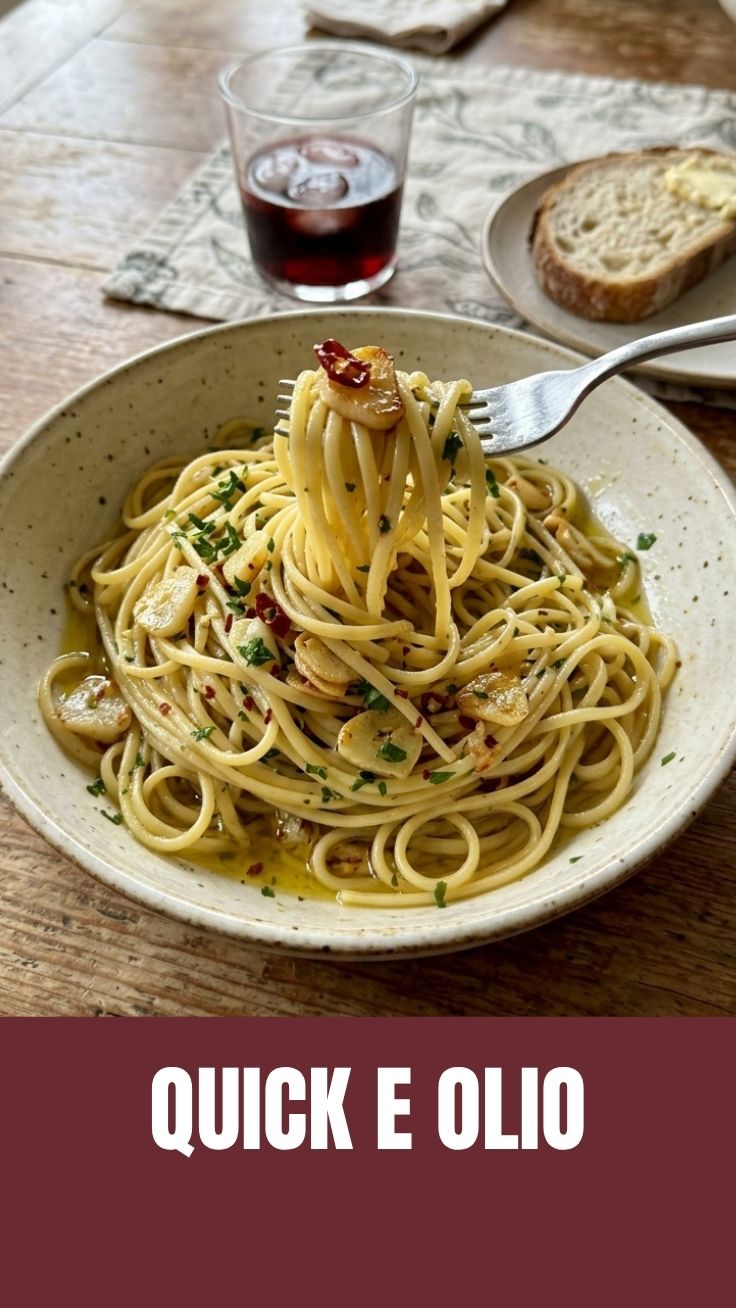
This dish is a weeknight warrior!
- Prep Time: 10 minutes (mostly slicing garlic and chopping parsley).
- Cook Time: 15-20 minutes (including pasta cooking time and sauce preparation).
- Total Time: 25-30 minutes.
This quick turnaround makes it an ideal option for busy evenings. Begin by bringing your pasta water to a boil, as this is often the longest step. While the water heats, prepare your garlic and parsley. Once the pasta is cooking, you can simultaneously start your sauce, ensuring everything comes together seamlessly and hot.
Step-by-Step Instructions
1. Boil the Pasta Water: Bring a large pot of generously salted water to a rolling boil. A good rule of thumb is to use 1 tablespoon of salt per gallon of water. This is crucial for seasoning the pasta from within.
2. Cook the Pasta: Add the spaghetti to the boiling water and cook according to package directions until al dente – firm to the bite. Before draining, reserve about 1 to 1.5 cups of starchy pasta water. This “liquid gold” will emulsify your sauce.
3. Sauté Garlic and Chili: While the pasta cooks, heat the extra virgin olive oil in a large skillet over medium-low heat. Add the thinly sliced garlic and red pepper flakes. Cook gently for 3-5 minutes, stirring occasionally, until the garlic is fragrant and lightly golden. Be careful not to burn it, as burnt garlic turns bitter. This slow sauté brings out the sweetness of the garlic, making your Aglio e Olio truly shine.
4. Combine and Emulsify: Drain the pasta, then immediately transfer it to the skillet with the garlic and oil. Add about ½ cup of the reserved pasta water along with the chopped fresh parsley. Toss vigorously, using tongs, to coat the pasta evenly, allowing the starchy water to emulsify with the oil, creating a light, silky sauce. Continue tossing, adding more pasta water a splash at a time, until the sauce reaches your desired consistency – it should lightly cling to the pasta.
5. Season and Serve: Taste and adjust seasoning with salt and freshly ground black pepper. You might be surprised how much extra salt it needs. Serve immediately, garnishing with extra fresh parsley and Parmesan cheese, if desired. This is one of those Pasta Recipes that truly benefits from being enjoyed fresh off the stove.
Nutritional Benefits & Advantages
Aglio e Olio, in its simple form, offers several nutritional advantages. Extra virgin olive oil is a rich source of healthy monounsaturated fats and antioxidants, beneficial for heart health. Garlic, a powerhouse ingredient, is known for its immune-boosting properties and may help reduce blood pressure and cholesterol levels. Parsley adds a fresh burst of vitamins A, C, and K, along with folic acid. This minimalist approach allows the inherent goodness of each ingredient to shine, providing a surprisingly wholesome meal.
Tips, Variations & Cooking Advice
- Add Vegetables: Sauté spinach, cherry tomatoes, or asparagus with the garlic for added nutrients and color.
- Protein Boost: Cooked shrimp, chicken, or cannellini beans can be added at the end for a more substantial meal.
- Lemon Zest: A sprinkle of fresh lemon zest at the end brightens the flavor profile beautifully.
- Butter Finish: A knob of butter stirred in at the very end can add a rich, velvety texture.
- Gluten-Free/Dairy-Free: Easily adaptable by using gluten-free pasta and omitting the Parmesan.
- Spice Level: Adjust red pepper flakes to your preference – from a subtle warmth to a fiery kick.
Common Mistakes to Avoid
- Burning the Garlic: This is the most crucial error. Burnt garlic tastes bitter and can ruin the entire dish. Keep the heat low and watch it carefully.
- Not Salting Pasta Water: Bland pasta leads to a bland dish overall. Salt your water generously.
- Overcooking Pasta: Mushy pasta is never pleasant. Cook it to al dente for the best texture.
- Forgetting Pasta Water: This starchy liquid is essential for creating that perfect silky sauce. Don’t throw it all away!
- Adding Cold Oil: Always heat the oil gently before adding garlic to ensure even cooking and flavor infusion.
Storage & Meal Prep Tips
While Aglio e Olio is best enjoyed fresh, leftovers can be stored in an airtight container in the refrigerator for up to 2-3 days. Reheating can sometimes dry out the pasta. To revive it, gently warm in a skillet over medium-low heat, adding a splash of water or vegetable broth to loosen the sauce and restore moisture. Freezing is not recommended as it dramatically alters the pasta’s texture. For meal prep, you can pre-slice garlic and chop parsley, but the final assembly should ideally be done fresh.
Conclusion
Mastering Aglio e Olio is a rewarding culinary achievement, proving that simplicity can lead to extraordinary flavors. This timeless dish, with its perfect balance of garlic, olive oil, and touch of chili, is not just a meal but an experience. It’s also an excellent foundation for exploring other delightful Pasta Recipes. We encourage you to try this recipe, experiment with the suggested variations, and make it your own. Share your culinary creations with us in the comments below, or tell us your favorite Aglio e Olio spin!
FAQs
Q1: Can I use pre-minced garlic?
A1: While fresh garlic, thinly sliced, yields the best flavor, pre-minced garlic can be used in a pinch. Just be extra vigilant as it tends to burn faster.
Q2: What’s the best type of pasta for Aglio e Olio?
A2: Spaghetti or linguine are traditional and ideal, as their long strands hold the garlicky sauce beautifully.
Q3: How do I prevent the garlic from burning?
A3: Keep the heat on medium-low and cook the garlic gently. It should be fragrant and lightly golden, not dark brown.
Q4: Can I make it spicier?
A4: Absolutely! Increase the amount of red pepper flakes to your liking, or add a finely minced fresh chili for a more intense heat.
Q5: What if my sauce is too dry?
A5: Easily remedied! Add a little more of the reserved pasta cooking water, a tablespoon at a time, and toss until the sauce reaches your desired consistency.