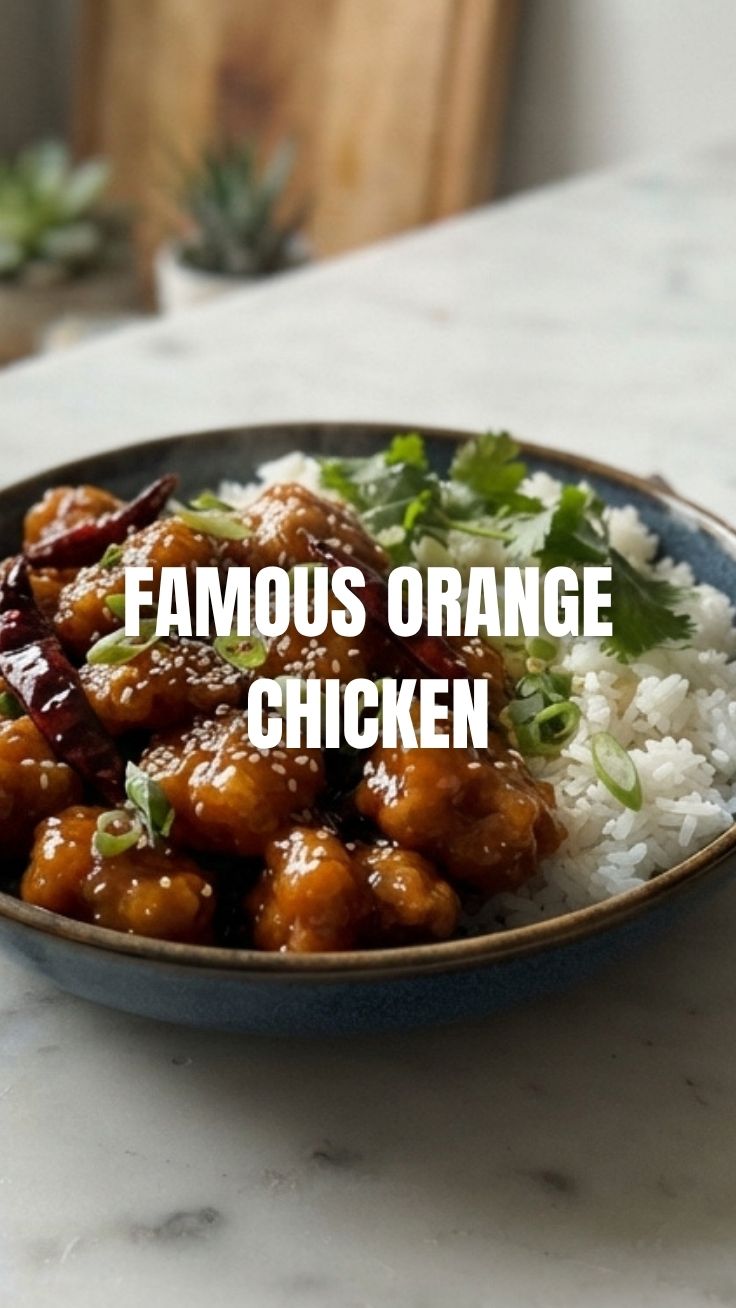
Master the Art of Savory Orange Chicken: Your Go-To Homemade Recipe
Craving the sweet, tangy, and irresistibly crispy goodness of takeout Orange Chicken? While restaurant versions hit the spot, there’s an unparalleled satisfaction in recreating these beloved dishes right in your own kitchen. Not only do you gain full control over the quality of ingredients, but you can also tailor the flavors to your exact preference, creating a meal that’s both healthier and more satisfying. Forget about mystery ingredients and excessive sodium; today, we’re diving deep into crafting an extraordinary homemade orange chicken that rivals, and even surpasses, your favorite restaurant renditions, including mastering the vibrant notes often found in expertly prepared General Tso Chicken. Get ready to elevate your weeknight dinners and impress your taste buds without ever leaving home.
Ingredients & Kitchen Tools
Crafting the perfect homemade orange chicken requires a balance of fresh ingredients and a few essential kitchen tools.
For the Chicken:
- 1 ½ lbs boneless, skinless chicken thighs or breasts: Thighs offer more flavor and tenderness, while breasts are leaner. Cut into 1-inch pieces.
- ½ cup cornstarch: For that signature crispy coating.
- ¼ cup all-purpose flour: Adds to the crispness and helps the coating adhere.
- ½ tsp salt: Enhances chicken’s natural flavor.
- ¼ tsp black pepper: A touch of warmth and spice.
- 1 large egg: Acts as a binder for the coating.
- 2-3 cups vegetable oil (or peanut oil): For frying, choose an oil with a high smoke point.
For the Orange Sauce:
- 1 cup fresh orange juice: Essential for authentic orange flavor.
- ¼ cup rice vinegar: Adds a tangy depth.
- 2 tbsp soy sauce: Umami and saltiness.
- 2 tbsp brown sugar: Sweetness and a hint of molasses.
- 1 tbsp fresh ginger, grated: Pungent and aromatic.
- 2 cloves garlic, minced: Aromatic base.
- 1 tbsp cornstarch (mixed with 2 tbsp cold water): For thickening the sauce.
- Orange zest from 1 orange: Boosts citrus aroma.
- Optional: A pinch of red pepper flakes for heat.
Kitchen Tools:
- Large mixing bowls: For marinating and coating chicken.
- Whisk: For making the sauce.
- Deep skillet or Dutch oven: For frying.
- Slotted spoon or spider: For safely removing fried chicken.
- Measuring cups and spoons: For precise ingredient amounts.
- Cutting board and sharp knife: For preparing chicken.
- Zester/Grater: For ginger and orange zest.
Prep Time & Cooking Schedule

Planning is key to a smooth cooking experience. Here’s how to schedule your time:
- Prep Time: 20 minutes (includes cutting chicken, mincing garlic, grating ginger, and zesting orange).
- Marinating Time (Optional but Recommended): 15-30 minutes for chicken to absorb flavors. If short on time, you can skip this, but a brief marinade improves tenderness.
- Cooking Time: 15-20 minutes (frying chicken in batches, then simmering sauce and tossing).
Total Estimated Time: 35-50 minutes (excluding optional marinating).
Pro Tip: While the chicken is marinating, prepare your orange sauce ingredients so everything is ready to go once you start frying. This ensures a seamless cooking flow.
Step-by-Step Instructions
Follow these detailed steps to achieve perfect, crispy, and flavorful homemade orange chicken, reminiscent of the best takeout versions, while also drawing inspiration from the rich complexity of General Tso Chicken.
1. Prepare the Chicken: In a large bowl, whisk together the cornstarch, flour, salt, and pepper. In a separate bowl, whisk the egg. Dip each piece of chicken first into the egg, then dredge thoroughly in the flour mixture, ensuring an even coating. Set aside.
2. Fry the Chicken: Heat 2-3 cups of vegetable oil in a deep skillet or Dutch oven over medium-high heat until it reaches 350-375°F (175-190°C). Fry the coated chicken in batches, being careful not to overcrowd the pan, for 3-5 minutes per batch, or until golden brown and cooked through. Use a slotted spoon to transfer the fried chicken to a wire rack lined with paper towels to drain excess oil. This is crucial for achieving that characteristic crispness of delicious homemade orange chicken.
3. Make the Orange Sauce: While the chicken is frying, combine the orange juice, rice vinegar, soy sauce, brown sugar, grated ginger, minced garlic, and orange zest in a medium saucepan. Bring to a gentle simmer over medium heat.
4. Thicken the Sauce: In a small bowl, whisk together 1 tbsp cornstarch with 2 tbsp cold water to create a slurry. Slowly pour the slurry into the simmering sauce, whisking constantly, until the sauce thickens to your desired consistency. If you want a touch of heat, add red pepper flakes now.
5. Combine and Serve: Add the fried chicken to the thickened orange sauce, tossing gently to ensure every piece is thoroughly coated. Serve immediately over steamed white rice, garnished with sesame seeds and chopped green onions if desired.
Nutritional Benefits & Advantages
Homemade orange chicken offers significant nutritional advantages over its restaurant counterpart. By preparing it yourself, you can control the amount of sugar and sodium, which are often excessively high in takeout versions. Chicken provides a lean source of protein essential for muscle repair and growth. Fresh oranges contribute Vitamin C, an important antioxidant, while ginger and garlic offer anti-inflammatory properties and immune support. Using less oil for frying or opting for healthier oils like avocado oil further enhances the meal’s nutritional profile.
Tips, Variations & Cooking Advice
- Spicier Kick: Add a pinch of dried red chili flakes to the orange sauce or a dash of sriracha.
- Gluten-Free: Substitute tamari for soy sauce and use a gluten-free all-purpose flour blend for coating the chicken. Ensure your cornstarch is certified gluten-free.
- Vegetarian Option: Replace chicken with firm tofu or tempeh, pressed and cubed, then follow the same coating and frying steps.
- Air Fryer Method: For a lighter option, air fry the chicken. Coat as directed, then air fry at 375°F (190°C) for 15-20 minutes, flipping halfway, until crispy and cooked through.
- Zest is Best: Don’t skip the orange zest in the sauce – it adds a burst of intense citrus aroma that fresh juice alone can’t provide.
Common Mistakes to Avoid
- Overcrowding the Pan: Frying too much chicken at once lowers the oil temperature, leading to soggy, oily chicken instead of crisp. Fry in batches.
- Under-Seasoning: Don’t be shy with the salt and pepper on the chicken. Flavor starts from within.
- Over-Thickening the Sauce: Add the cornstarch slurry gradually, whisking constantly. You can always add more, but it’s hard to thin out an overly thick sauce.
- Not Draining Excess Oil: Failing to drain the fried chicken on a wire rack can make the final dish greasy.
Storage & Meal Prep Tips
Storage: Leftovers can be stored in an airtight container in the refrigerator for up to 3-4 days.
Freezing: While possible, the texture of the fried chicken can become softer after freezing and reheating. If freezing, separate the chicken from the sauce for best results. Freeze cooked chicken in a single layer on a baking sheet, then transfer to a freezer-safe bag. Sauce can be frozen separately.
Reheating: For crispy chicken, reheat in an air fryer or oven at 350°F (175°C) for 10-15 minutes until heated through. Reheat sauce gently on the stovetop or microwave. Toss chicken with sauce just before serving.
Conclusion
Mastering this homemade orange chicken recipe means you’re just moments away from a vibrant, flavorful, and incredibly satisfying meal that rivals any takeout. By focusing on fresh ingredients and proper technique, you can create a Orange Chicken that’s both healthier and more delicious. So go ahead, whip up this amazing dish, and share your results! Whether you’re a fan of classic sweet and sour or the bold flavors often found in expertly crafted General Tso Chicken, this recipe is sure to become a cherished family favorite.
FAQs
Q1: Can I use bottled orange juice?
A1: While fresh orange juice is recommended for the best flavor, good quality bottled orange juice (100% juice, no added sugar) can be used in a pinch. You might need to adjust the sugar content slightly.
Q2: My chicken isn’t crispy. What went wrong?
A2: Common reasons include overcrowding the pan (which lowers oil temperature), not draining excess oil, or not frying long enough. Ensure your oil is hot enough and fry in small batches.
Q3: How can I make the sauce spicier?
A3: Add a pinch of red pepper flakes to the sauce while it simmers, or garnish with sliced fresh chilies. You can also add a dash of sriracha.
Q4: Can I bake or air fry the chicken instead of deep frying?
A4: Yes! For a healthier option, you can bake the coated chicken at 400°F (200°C) for 20-25 minutes or air fry at 375°F (190°C) for 15-20 minutes, flipping halfway, until golden and crispy.
Q5: What’s the best way to serve this dish?
A5: It’s traditionally served over steamed white or brown rice, often garnished with sesame seeds and chopped green onions. Steamed broccoli or stir-fried vegetables make excellent side dishes.