Elevate Your Comfort Food Game: Mastering Homemade Mashed Potatoes with Gravy
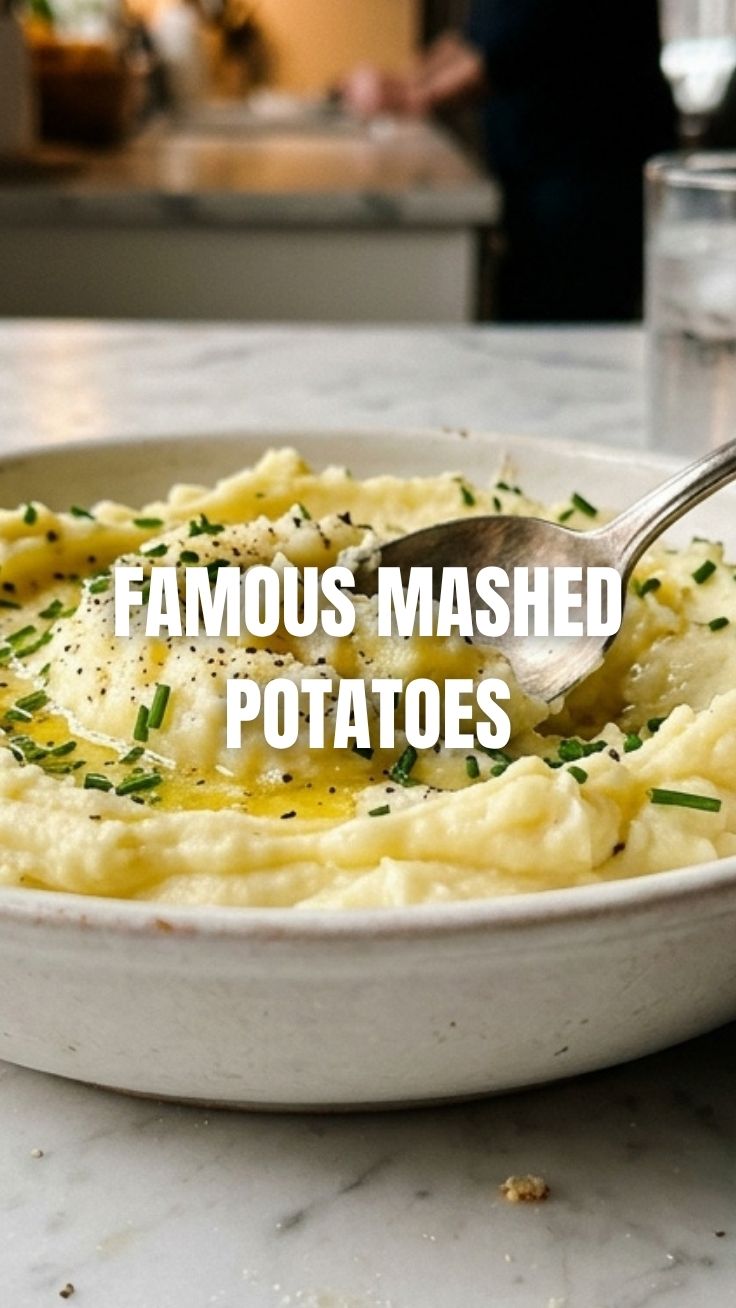
Ever wondered if you could replicate that dreamy, creamy side dish that perfectly complements any meal, right in your own kitchen? Absolutely! Crafting homemade Mashed Potatoes from scratch isn’t just about saving a few dollars; it’s about unlocking unparalleled flavor, customizing textures, and experiencing the pure satisfaction of a dish made with love. Forget those bland, instant versions – we’re diving deep into creating the ultimate Mashed Potatoes paired with a rich, savory homemade gravy that will transform your weeknight dinners and holiday feasts alike.
Ingredients & Kitchen Tools
Here’s everything you’ll need to create culinary magic:
- Potatoes (2 lbs): Russet or Yukon Gold varieties are ideal due to their high starch content, ensuring a fluffy, creamy mash. Russets offer a drier, fluffier result, while Yukon Golds provide a naturally buttery flavor and smoother texture.
- Butter (1/2 cup): Unsalted butter allows you to control the seasoning. Adds richness and flavor.
- Milk or Cream (1/2 – 3/4 cup): Whole milk or heavy cream for ultimate creaminess. For a lighter touch, use half-and-half or even a plant-based milk.
- Salt (1-2 tsp): Essential for seasoning the potatoes during boiling and after mashing. Start with a little then adjust to taste.
- Black Pepper (1/2 tsp): Freshly ground pepper adds a nice aromatic kick.
- Optional Flavorings: Garlic powder (1/2 tsp), onion powder (1/2 tsp), fresh chives or parsley (2 tbsp, chopped) for an extra layer of taste.
- For the Gravy: Flour (2 tbsp), beef or chicken broth (1.5 cups), pan drippings (from roasted meats, if available).
- Large Pot: For boiling potatoes.
- Potato Masher or Ricer: A ricer yields the smoothest, lump-free Mashed Potatoes; a masher offers a chunkier texture.
- Large Bowl: For mashing and mixing.
- Whisk: For making the gravy.
- Saucepan: For preparing the gravy.
Prep Time & Cooking Schedule
- Prep Time: 15 minutes (peeling and cutting potatoes, gathering ingredients)
- Cook Time: 20-25 minutes (boiling potatoes, preparing gravy)
- Resting Time: 5 minutes (allowing potatoes to steam dry)
- Total Time: Approximately 40-50 minutes
Plan to start your potatoes about 30-40 minutes before your main course is ready to ensure everything is piping hot. The gravy can be made while the potatoes boil, or even a little in advance if using pre-made broth.
Step-by-Step Instructions
1. Prepare the Potatoes: Wash, peel, and cut your potatoes into 1-inch cubes. Uniform sizing is key for even cooking. Place them in a large pot and cover with 1 inch of cold water. Add 1 teaspoon of salt to the water; this seasons the potatoes from the inside out.
2. Boil the Potatoes: Bring the water to a rolling boil over high heat, then reduce heat to medium and simmer until the potatoes are fork-tender. This usually takes 15-20 minutes. Don’t overcook them, or they’ll become waterlogged.
3. Drain and Dry: Once tender, carefully drain the potatoes in a colander. Return the empty pot to the stove over low heat for a minute to evaporate any remaining water. Add the drained potatoes back to the warm, dry pot. This crucial step helps steam off excess moisture, ensuring your Mashed Potatoes aren’t watery.
4. Mash Away: Add the butter to the hot potatoes, allowing it to melt slightly. Using a potato ricer or masher, thoroughly mash the potatoes until smooth. If using a masher, don’t overwork them, as this can lead to a gummy texture.
5. Add Dairy and Season: Gradually add the warm milk or cream, a little at a time, mixing until you reach your desired consistency. Season with the remaining salt, black pepper, and any optional flavorings like garlic powder or chives. Taste and adjust seasoning as needed.
6. Make the Gravy: While the potatoes are cooking, melt 2 tablespoons of butter (or use pan drippings) in a saucepan over medium heat. Whisk in 2 tablespoons of flour and cook for 1-2 minutes, forming a roux. Gradually whisk in 1.5 cups of broth, bringing to a simmer. Cook, stirring constantly, until the gravy thickens to your liking. Season with salt and pepper.
Nutritional Benefits & Advantages
Potatoes, often maligned, are a surprisingly nutrient-dense food. They are an excellent source of Vitamin C, Vitamin B6, potassium, and dietary fiber, especially if you leave some skin on. When prepared thoughtfully, Mashed Potatoes offer satiating carbohydrates for sustained energy. Making them at home allows you to control fat and sodium content, opting for wholesome ingredients over processed alternatives typically found in restaurant or pre-packaged versions. Pairing them with a homemade gravy (especially one made from pan drippings) adds protein and depth of flavor without relying on artificial thickeners or excessive sodium.
Tips, Variations & Cooking Advice
- Flavor Boosts: Stir in roasted garlic, cream cheese, sour cream, or even a pinch of nutmeg for an elevated flavor profile.
- Cheesy Mash: Fold in shredded cheddar, Gruyère, or Parmesan cheese for a delightful, cheesy twist.
- Healthier Options: Use skim milk or vegetable broth for a lighter version. Substitute some butter with olive oil.
- Dairy-Free: Use plant-based milk (almond, oat, soy) and a dairy-free butter alternative.
- Consistency Control: For thinner mash, add more warm milk; for thicker, simply mash plain potatoes longer.
- Gravy Variations: Enhance your gravy with sautéed mushrooms, caramelized onions, or a splash of red wine.
Common Mistakes to Avoid
- Over-boiling: Results in waterlogged, gummy potatoes that are difficult to flavor. Cook just until fork-tender.
- Mashing Cold Potatoes: Always mash warm potatoes for the best texture and absorption of butter and milk.
- Using Cold Dairy: Adding cold milk or cream can cool down the potatoes too quickly and make them lumpy. Warm your dairy beforehand.
- Over-mashing: This develops too much starch, leading to a gluey, unappetizing consistency. Mash until smooth, then stop.
- Undersalting: Potatoes need a good amount of salt to shine. Season generously, tasting as you go.
Storage & Meal Prep Tips
Leftover Mashed Potatoes can be stored in an airtight container in the refrigerator for up to 3-4 days. To reheat, gently warm them in a saucepan over low heat, adding a splash of milk or broth to restore creaminess. Avoid microwaving often, as it can dry them out. They can also be frozen for up to 1 month, though the texture might change slightly upon thawing. Freeze in freezer-safe bags or containers. Reheat from frozen in the oven or on the stovetop with added liquid. The homemade gravy stores similarly and reheats well on the stovetop.
Conclusion
There you have it – the definitive guide to creating the most delectable homemade Mashed Potatoes, perfectly complemented by a rich, savory gravy. This classic duo proves that the simplest ingredients, prepared with care and attention, can yield truly extraordinary results. Don’t be shy; give this recipe a try and elevate your comfort food game to new heights! Share your culinary creations with us in the comments below!
FAQs
Q1: Can I make Mashed Potatoes ahead of time?
A1: Yes, you can prepare the mashed potatoes a day in advance and store them in the refrigerator. Reheat gently on the stovetop with a little extra milk or butter to restore their creamy texture.
Q2: What’s the best way to get lump-free Mashed Potatoes?
A2: Using a potato ricer is your best bet for velvety smooth, lump-free mashed potatoes. If you don’t have one, ensure your potatoes are cooked very tender and mash thoroughly with a handheld masher.
Q3: Can I use water instead of milk for Mashed Potatoes?
A3: While you can use water, it will result in a less creamy and flavorful mash. Broth or plant-based milks are better alternatives if you want to avoid dairy or reduce richness.
Q4: How can I fix gravy that’s too thin or too thick?
A4: If your gravy is too thin, create a slurry with equal parts flour (or cornstarch) and cold water, then whisk into the simmering gravy until thickened. If too thick, simply whisk in more broth or water until you reach the desired consistency.
Q5: What potatoes are best for mashing?
A5: Russet and Yukon Gold potatoes are generally considered the best for mashing. Russets are starchy and produce a light, fluffy mash, while Yukon Golds are slightly less starchy and offer a naturally buttery flavor and smoother texture.