Mastering the Art of Homemade French Toast: A Culinary Journey
Ever woken up craving a breakfast that’s both comforting and gourmet, a dish that transforms simple ingredients into an extraordinary experience? Today, we’re diving deep into the world of French Toast, a timeless classic that, when prepared at home, offers unparalleled flavor and satisfaction. Forget bland, soggy imitations; with a few simple techniques, you can elevate your morning routine and impress your taste buds with this iconic dish. Creating this delightful treat in your own kitchen isn’t just about saving money; it’s about customizing flavors, ensuring quality ingredients, and enjoying a truly fresh culinary experience. This blog post will guide you through every step, ensuring your homemade French toast becomes a regular star among your favorite breakfast recipes.
Ingredients & Kitchen Tools
To embark on this delicious journey, you’ll need the following:
Ingredients:
- Thick-Cut Bread (6 slices): Brioche, challah, or day-old artisanal bread work best for absorbing the custard without becoming soggy. Avoid thin, sandwich bread.
- Large Eggs (3 large): The binding agent and source of richness for our custard.
- Whole Milk (1/2 cup): Adds creaminess and helps create a smooth batter. You can substitute with half-and-half for an even richer texture.
- Granulated Sugar (2 tablespoons): For a touch of sweetness in the batter. Adjust to your preference.
- Ground Cinnamon (1 teaspoon): The quintessential spice for French toast, adding warmth and aroma.
- Vanilla Extract (1 teaspoon): Enhances the overall flavor profile. Pure vanilla extract is always recommended over artificial.
- Pinch of Salt: Balances the sweetness and amplifies other flavors.
- Unsalted Butter (2 tablespoons): For cooking the French toast, providing a golden-brown crust and a rich, buttery taste. Divide as needed.
- Optional Toppings: Maple syrup, fresh berries, powdered sugar, whipped cream, chocolate chips, candied nuts.
Kitchen Tools:
- Shallow Dish or Pie Plate: Ideal for soaking the bread in the custard.
- Whisk: For thoroughly combining the egg mixture.
- Measuring Cups and Spoons: For accurate ingredient measurement.
- Large Non-Stick Skillet or Griddle: Essential for even cooking and preventing sticking.
- Spatula: For flipping the French toast.
- Tongs (optional): Useful for handling the bread.
Prep Time & Cooking Schedule
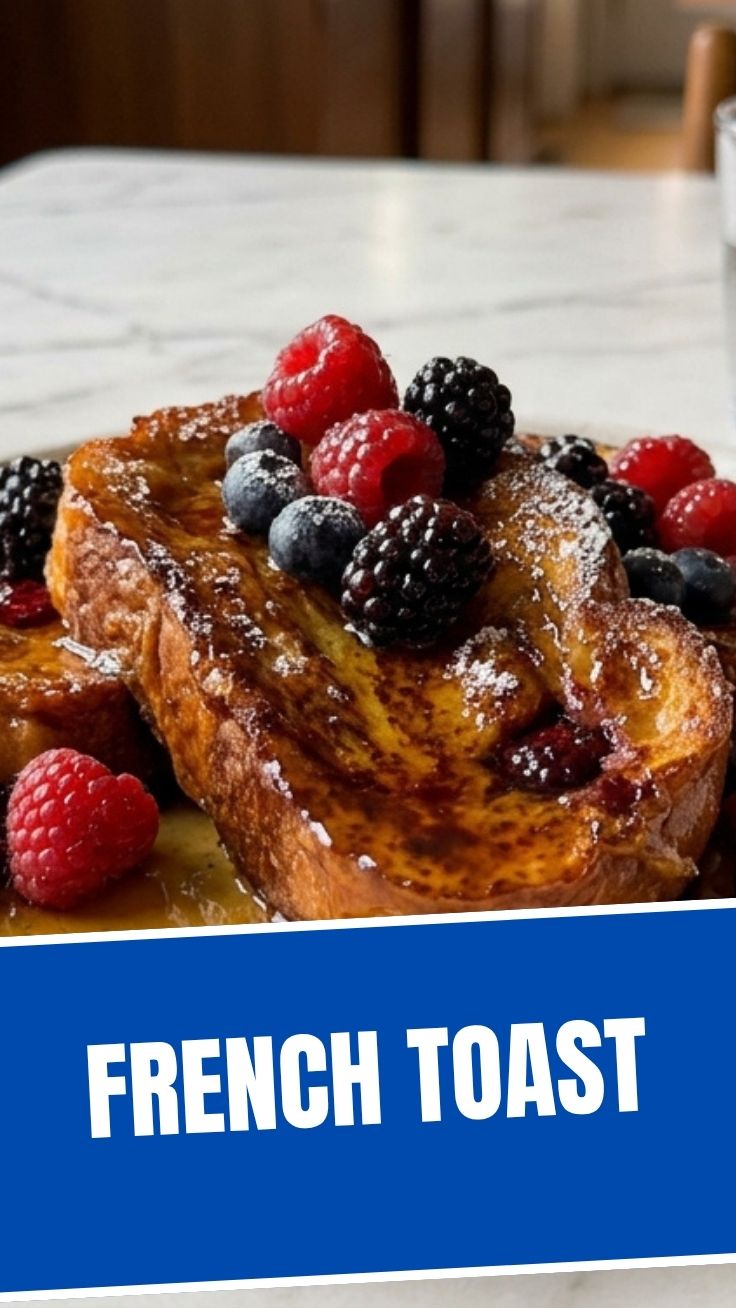
This recipe is surprisingly quick and perfect for a leisurely morning.
- Prep Time: 10 minutes
- Soaking Time: 2-3 minutes per side (for thick bread)
- Cook Time: 3-4 minutes per side
- Total Time: Approximately 30 minutes
This makes it an ideal choice for a weekend brunch or a special weekday breakfast. The soaking time is crucial; too little and your French toast will be dry, too much and it will fall apart.
Step-by-Step Instructions
Let’s get cooking! Follow these clear steps for perfect French Toast every time.
1. Prepare the Custard: In your shallow dish, whisk together the eggs, milk, sugar, cinnamon, vanilla extract, and salt until well combined and slightly frothy.
2. Soak the Bread: Dip each slice of bread into the egg mixture, allowing it to soak for about 2-3 minutes per side. For thinner bread, reduce the soaking time to avoid a soggy result. The goal is for the bread to be fully saturated but not falling apart.
3. Heat the Skillet: Melt about half a tablespoon of butter in your non-stick skillet or on your griddle over medium heat. Ensure the butter coats the pan evenly.
4. Cook the French Toast: Carefully place 2-3 slices of soaked bread onto the hot skillet, ensuring not to overcrowd the pan. Cook for 3-4 minutes per side, or until golden brown and cooked through. The internal temperature should reach about 160°F (71°C).
5. Repeat and Serve: Remove cooked slices to a plate and keep warm (you can place them in a preheated oven at 200°F/93°C). Add more butter to the pan as needed and repeat with the remaining bread slices. Serve immediately with your favorite toppings to complete this delightful experience among other breakfast recipes.
Nutritional Benefits & Advantages
Homemade French toast offers several advantages. Using whole milk and fresh eggs provides a good source of protein and calcium. Choosing whole-wheat brioche or challah can add dietary fiber. While decadent, you control the amount of sugar and butter, allowing for a healthier version compared to restaurant options. Adding fresh berries as a topping boosts antioxidant intake and provides natural sweetness without excessive added sugars.
Tips, Variations & Cooking Advice
- Flavor Variations:
* Citrus Zest: Add a teaspoon of orange or lemon zest to the batter for a bright, refreshing twist.
* Spiced: Incorporate a pinch of nutmeg, cardamom, or allspice for a more complex flavor profile.
* Chocolate: Mix in a tablespoon of cocoa powder to the batter or sprinkle chocolate chips over the cooking toast.
- Ingredient Swaps:
* Dairy-Free: Use almond milk, soy milk, or oat milk instead of whole milk.
* Gluten-Free: Opt for gluten-free brioche or challah-style bread.
- Alternative Cooking Methods: While a skillet is traditional, you can also bake French toast in the oven for a hands-off approach, especially when feeding a crowd. Preheat oven to 375°F (190°C), arrange soaked bread on a greased baking sheet, and bake for 15-20 minutes, flipping halfway.
- Make Ahead: While best fresh, you can soak the bread overnight for a quicker morning assembly.
Common Mistakes to Avoid
- Not using thick bread: Thin bread quickly becomes soggy and breaks apart.
- Over-soaking or under-soaking: Find the sweet spot where the bread is fully saturated but still holds its shape.
- Overcrowding the pan: This lowers the pan temperature, leading to steamed, rather than beautifully browned, French toast.
- Too high heat: Causes the exterior to burn before the interior cooks through. Medium heat is key.
Storage & Meal Prep Tips
Leftover French toast can be stored in an airtight container in the refrigerator for up to 3 days. For longer storage, freeze individual slices by placing them on a baking sheet until solid, then transferring to a freezer-safe bag for up to 1 month. Reheat in a toaster, toaster oven, or skillet until warm and crisp. Avoid microwaving, as it can make them rubbery.
Conclusion
Creating perfect homemade French Toast is a rewarding experience that transforms a simple breakfast into a memorable meal. By following these detailed steps and tips, you’re now equipped to master this beloved dish, making it a stellar addition to your repertoire of breakfast recipes. Don’t be afraid to experiment with toppings and variations to personalize your culinary masterpiece. We encourage you to try this recipe this weekend and share your delicious results in the comments below! What are your favorite toppings?
FAQs
Q1: Can I use regular sandwich bread for French toast?
A1: While you can, it’s not ideal. Regular sandwich bread is thinner and tends to get soggy quickly. Thicker, day-old bread like brioche, challah, or artisanal bread works best for absorbing the custard without falling apart.
Q2: My French toast is burning on the outside but still raw inside. What did I do wrong?
A2: This usually means your heat is too high. Reduce the heat to medium and ensure you’re using enough butter in the pan. Cooking at a lower temperature for a slightly longer time will ensure it cooks through evenly and develops a beautiful golden crust.
Q3: How do I prevent my French toast from getting soggy after cooking?
A3: To prevent sogginess, avoid overcrowding the pan, ensure your heat is not too low (which can steam rather than crisp), and transfer cooked slices to a wire rack set over a baking sheet in a warm oven (around 200°F/93°C) while you finish the rest.
Q4: Can I make the batter ahead of time?
A4: Yes, you can prepare the French toast custard up to 24 hours in advance. Store it in an airtight container in the refrigerator. Just give it a good whisk before dipping your bread.
Q5: What are some uncommon but delicious toppings for French toast?
A5: Beyond the classics, try a drizzle of warm salted caramel sauce, a dollop of lemon curd, toasted coconut flakes, a sprinkle of fresh herbs like mint or basil, or even a savory twist with bacon and a fried egg!