Master the Grill: Your Ultimate Guide to a Perfect Father’s Day Ribeye
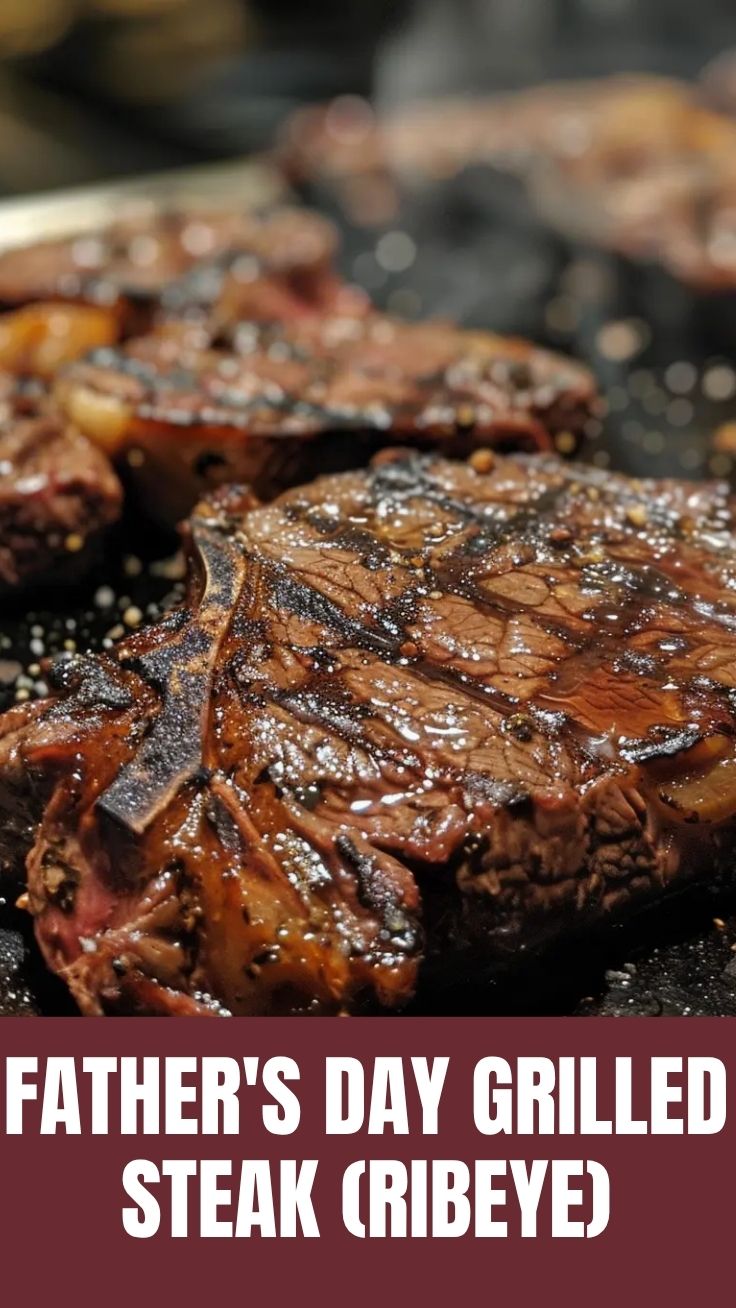
Are you ready to elevate your Father’s Day celebration from a simple meal to an unforgettable culinary experience? Imagine the sizzle, the aroma, and the sheer delight as your loved ones bite into a perfectly juicy, expertly grilled steak. This year, ditch the reservations and embrace the joy of creating a restaurant-quality meal right in your own backyard. Preparing a Father’s Day Grilled Steak (Ribeye) at home isn’t just about saving money; it’s about infusing your cooking with love, care, and a personalized touch that no restaurant can replicate. There’s an unparalleled satisfaction in mastering the grill and presenting a dish that truly shines. We’ll explore the secrets to achieving that ideal sear, incredible flavor, and fork-tender texture, ensuring your celebration is nothing short of legendary with this and other amazing Ribeye recipes.
Ingredients & Kitchen Tools
To embark on this grilling adventure, gather your culinary arsenal:
- 1 (1.5-2 inch thick) Ribeye Steak (1.5-2 lbs.): The star of our show. Look for good marbling – those tiny flecks of fat that melt and create incredible flavor and juiciness.
- 2 Tbsp Olive Oil: Helps with searing and prevents sticking.
- 1 Tbsp Coarse Sea Salt (or Kosher Salt): Essential for bringing out the steak’s natural flavors. Coarse salt creates a better crust.
- 1 tsp Freshly Ground Black Pepper: Adds a pungent, aromatic kick.
- 1 tsp Garlic Powder: For an all-around savory depth.
- 1/2 tsp Onion Powder: Enhances the savory profile.
- Optional: Fresh Rosemary or Thyme Sprigs: Infuse aromatic notes during cooking.
- Optional: 1 Tbsp Unsalted Butter: For basting at the end, adding richness and a beautiful sheen.
Kitchen Tools:
- Heavy-Duty Paper Towels: For patting the steak dry.
- Small Bowl: To mix seasonings.
- Tongs: Essential for flipping the steak safely and evenly.
- Meat Thermometer (Instant-Read): Crucial for achieving perfect doneness. Don’t guess!
- Grill (Charcoal or Gas): Your primary cooking vessel.
- Aluminum Foil: For resting the steak.
- Cutting Board & Sharp Knife: For slicing and serving.
Prep Time & Cooking Schedule
- Active Prep Time: 10 minutes
- Marinating/Resting (at room temp): 30-60 minutes (crucial for even cooking)
- Grill Preheat Time: 15-20 minutes
- Cook Time: 10-15 minutes (depending on thickness and desired doneness)
- Resting Time (post-grill): 10 minutes
For optimal results, remove your Ribeye from the refrigerator at least 30-60 minutes before grilling. This allows the meat to come closer to room temperature, ensuring more even cooking from edge to center. Factor in grill preheating time and the all-important resting period after cooking; impatience here will lead to a dry steak!
Step-by-Step Instructions
1. Prepare the Steak: Pat the Ribeye steak thoroughly dry with paper towels. Excess moisture is the enemy of a good sear! In a small bowl, combine coarse sea salt, black pepper, garlic powder, and onion powder.
2. Season Generously: Drizzle olive oil over both sides of the steak, then evenly coat with the seasoning mixture. Press the seasonings into the meat. If using herbs, place them directly on the steak or on the grill grates.
3. Preheat the Grill: For your Father’s Day Grilled Steak (Ribeye), preheat your grill to high heat (about 450-500°F). For gas grills, aim for two zones if possible – one hot, one medium. For charcoal, bank coals to one side.
4. Sear (High Heat): Place the seasoned Father’s Day Grilled Steak (Ribeye) directly over the hottest part of the grill. Sear for 2-3 minutes per side to develop a beautiful, flavorful crust. Don’t move it during this time!
5. Cook to Desired Doneness (Indirect Heat, if possible): Move the steak to a cooler part of the grill (if using two zones) or reduce heat slightly. Close the lid and continue cooking, flipping every 2-3 minutes, until it reaches your desired internal temperature. Refer to the guide below.
6. Optional Basting: In the last few minutes of cooking, if desired, add a pat of butter and fresh herbs to the grill next to the steak, then use tongs to baste the melting butter over the steak.
7. Check Doneness: Use an instant-read meat thermometer inserted into the thickest part of the steak, away from the bone.
* Rare: 125°F (remove at 120°F)
* Medium-Rare: 135°F (remove at 130°F) – Highly recommended for Ribeye recipes!
* Medium: 145°F (remove at 140°F)
* Medium-Well: 150°F (remove at 145°F)
8. Rest the Steak: Transfer the cooked steak to a cutting board, tent loosely with aluminum foil, and let it rest for at least 10 minutes. This allows the juices to redistribute, ensuring a more tender and flavorful result.
9. Slice and Serve: Slice against the grain into desired thickness. Serve immediately and enjoy your perfectly cooked Ribeye recipes!
Nutritional Benefits & Advantages
Ribeye steaks are not just delicious; they offer significant nutritional benefits. They are an excellent source of high-quality protein, essential for muscle building and repair. Rich in iron, zinc, and B vitamins (especially B12), they contribute to energy production, immune function, and red blood cell formation. While often perceived as indulgent, the marbling in a Ribeye provides beneficial monounsaturated fats that can be part of a balanced diet when consumed in moderation. Grilling, as a cooking method, also minimizes added fats, making it a relatively healthy way to prepare this flavorful cut.
Tips, Variations & Cooking Advice
- Reverse Sear: For ultimate control, particularly with thicker steaks, try a reverse sear. Bake the steak on a wire rack in the oven at 250°F until it reaches about 10-15°F below your target doneness, then finish with a quick, high-heat sear on the grill.
- Flavor Boosts: Experiment with marinades (acid-based for tenderness, oil-based for flavor), rubs (coffee, chili), or compound butters (garlic-herb) to finish.
- Wood Chips: Add a handful of soaked wood chips (hickory, mesquite, oak) to your charcoal or gas grill for a smoky aroma.
- Alternative Cooking Methods: If grilling isn’t an option, a screaming hot cast-iron skillet on the stove delivers an excellent sear, followed by finishing in the oven. For other delicious Ribeye recipes, consider broiling or pan-searing.
- Doneness Preferences: While medium-rare is often recommended for Ribeye to showcase its juiciness and flavor, adjust to your personal preference.
Common Mistakes to Avoid
- Not Patting Dry: Leads to steaming instead of searing, resulting in a gray, unappealing crust.
- Cold Steak on Hot Grill: Promotes uneven cooking, with the outside overcooked before the inside reaches temperature.
- Over-Seasoning or Under-Seasoning: Balance is key. Err on the side of generous for salt, but be mindful of other spices.
- Moving Too Often: Resist the urge! Let the steak sit to develop a crust.
- Not Using a Thermometer: This is the most common cause of overcooked or undercooked steak. Invest in one!
- Not Resting the Steak: The biggest sin! Skipping the rest means all those precious juices will run out onto your cutting board, leaving you with dry meat.
Storage & Meal Prep Tips
Leftover grilled Ribeye can be a delicious addition to future meals. Store cooled, sliced steak in an airtight container in the refrigerator for up to 3-4 days. For longer storage, freeze whole or sliced portions wrapped tightly in plastic wrap and then foil for up to 2-3 months. Thaw overnight in the refrigerator before reheating. To reheat, gently warm in a pan over low heat, or briefly in the oven at a low temperature (around 250°F) with a splash of beef broth to prevent drying out. Avoid microwaving, as it can make steak tough. Enjoy leftovers in steak salads, sandwiches, tacos, or even a quick stir-fry.
Conclusion
Creating the perfect Father’s Day Grilled Steak (Ribeye) is an art, but it’s an art that is entirely achievable with a little knowledge, practice, and the right techniques. From selecting your high-quality cut to the final, crucial resting period, every step plays a vital role in delivering a memorable dining experience. By following these guidelines, you’ll not only impress your loved ones but also gain confidence in tackling other fantastic Ribeye recipes. We encourage you to try this recipe this Father’s Day – share your results, your tips, and your celebratory moments with us!
FAQs
Q1: How do I know when my grill is hot enough?
A1: For gas grills, the thermometer should read 450-500°F. For charcoal, you should be able to hold your hand about 5 inches above the grates for only 2-3 seconds before it’s too hot.
Q2: Can I marinate the Ribeye overnight?
A2: While often done, overly long marination, especially with acidic marinades, can sometimes break down the meat’s texture too much. For a Ribeye, a good hour or two with a rub is usually sufficient to enhance its natural flavor without compromising texture.
Q3: My steak is tough. What went wrong?
A3: Common culprits include overcooking (no thermometer!), not resting the steak, or slicing with the grain instead of against it. Always slice against the grain to shorten muscle fibers and ensure tenderness.
Q4: What side dishes pair well with grilled Ribeye?
A4: Classic pairings include grilled asparagus, corn on the cob, a simple green salad, mashed potatoes, or roasted root vegetables. Keep it simple to let the steak shine!