Master the Art of Homemade Egg Fried Rice: Your Ultimate Guide
Ever wondered if you could recreate that irresistible, savory goodness of your favorite Chinese Takeout Egg Fried Rice right in your own kitchen? Absolutely! Ditch the delivery menu and embrace the joy of preparing a dish that’s not only incredibly delicious but also surprisingly simple. Learning to make your own Egg Fried Rice offers unparalleled control over ingredients, freshness, and flavor, bringing a valuable skill to your culinary repertoire. This comprehensive guide will transform you into a fried rice master, ensuring a perfect, fluffy, and flavorful result every time.
Ingredients & Kitchen Tools
Crafting the perfect batch of Egg Fried Rice requires a few key ingredients and readily available kitchen tools.
Ingredients:
- 2 cups leftover cooked white rice (day-old is best): Essential for that signature firm, non-sticky texture. Freshly cooked rice is too moist.
- 2 large eggs: The star element, providing richness and binding. Can substitute with egg whites for a lighter version.
- 2 tablespoons neutral oil (vegetable, canola, or grapeseed): High smoke point oil is crucial for stir-frying without burning.
- 1/2 cup finely diced yellow onion: Adds aromatic depth and a touch of sweetness.
- 1/2 cup frozen mixed vegetables (peas, carrots, corn): Convenient and adds color and nutrients. Fresh equivalents can also be used.
- 2 cloves garlic, minced: Essential for that classic savory base.
- 1 tablespoon soy sauce (low-sodium preferred): Provides umami and salty foundation. Adjust to taste.
- 1 teaspoon sesame oil: Adds a distinctive nutty aroma and flavor; use sparingly.
- 1/2 teaspoon white pepper: A traditional seasoning for Asian dishes, offering a subtle kick. Black pepper can be a substitute.
- Optional garnishes: Sliced green onions, chopped cilantro, a dash of chili oil for heat.
Kitchen Tools:
- Large wok or non-stick skillet: A wok ensures even heat distribution and makes tossing easy. A large skillet works well too.
- Spatula: For stirring and flipping.
- Measuring cups and spoons: For precise ingredient amounts.
- Cutting board and knife: For prepping vegetables.
- Small bowl: For whisking eggs.
Prep Time & Cooking Schedule
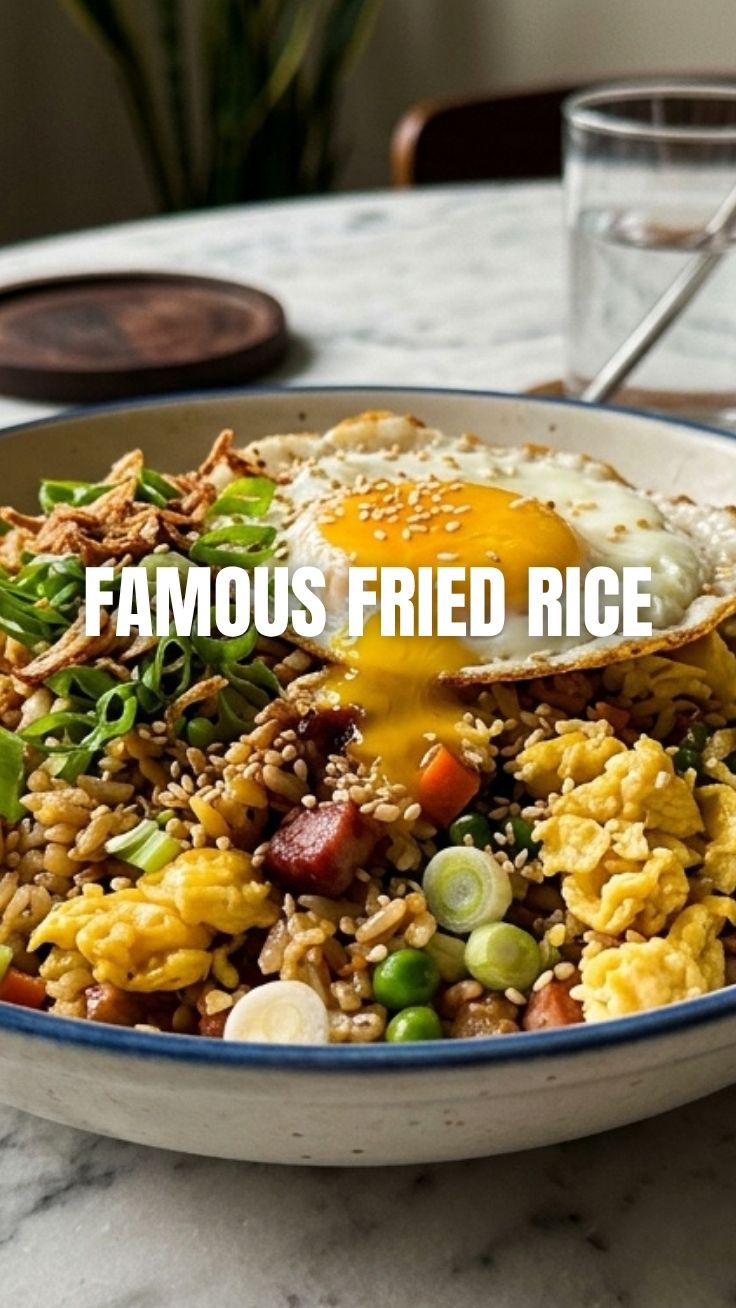
Achieving that perfect fried rice texture often hinges on preparation. Utilizing day-old rice is the biggest time-saver!
- Prep Time: 10 minutes (assuming day-old rice is ready)
- Cook Time: 10-12 minutes
- Total Time: Approximately 20-22 minutes
This quick turnaround makes Egg Fried Rice an ideal weeknight dinner. Remember to dice all your vegetables and mince your garlic before you start cooking, as stir-frying moves very quickly.
Step-by-Step Instructions
Follow these steps to create a restaurant-quality Egg Fried Rice that rivals any Chinese Takeout.
1. Prepare Eggs: In a small bowl, whisk the two eggs with a pinch of salt and white pepper. Set aside.
2. Heat Wok: Heat your large wok or skillet over high heat. Add 1 tablespoon of neutral oil. Once hot, pour in the whisked eggs and scramble them quickly until just set but still slightly moist. Break them into small pieces. Remove the scrambled eggs and set aside.
3. Sauté Aromatics: Add the remaining 1 tablespoon of oil to the hot wok. Add the diced onion and cook for 1-2 minutes until translucent. Add the minced garlic and frozen mixed vegetables, stirring constantly for another 2-3 minutes until fragrant and slightly tender-crisp.
4. Add Rice: Add the cold, day-old cooked rice to the wok. Break up any clumps with your spatula. Stir-fry for 3-5 minutes, pressing the rice against the wok to ensure each grain is heated through and slightly toasted. The rice should start “dancing” in the pan.
5. Season & Combine: Drizzle in the soy sauce and sesame oil. Add the white pepper. Stir vigorously to coat all the rice grains evenly. Return the scrambled eggs to the wok and toss to combine everything. Cook for another 1-2 minutes, ensuring everything is well-mixed and heated through.
6. Serve: Garnish with green onions or cilantro if desired, and serve immediately.
Nutritional Benefits & Advantages
Homemade Egg Fried Rice isn’t just delicious; it offers several nutritional advantages. Rice provides complex carbohydrates for sustained energy, while eggs are an excellent source of protein and essential vitamins like B12 and D. Adding mixed vegetables boosts your intake of fiber, vitamins (like Vitamin A from carrots, and Vitamin C from peas), and minerals. By making it at home, you control the amount of oil, sodium, and can easily incorporate more vegetables, making it a well-balanced and satisfying meal.
Tips, Variations & Cooking Advice
- Protein Boost: Add cooked chicken, shrimp, tofu, or pork for a more substantial meal. Sauté proteins before the eggs and set aside, adding them back with the eggs in step 5.
- Vegetable Variety: Experiment with diced bell peppers, mushrooms, spinach, or broccoli florets.
- Spice It Up: A dash of Sriracha, chili flakes, or a pinch of finely chopped fresh chili can add a delightful kick.
- Gluten-Free: Use tamari instead of regular soy sauce to make this dish gluten-free.
- Umami Boost: A small dash of fish sauce or oyster sauce (not vegetarian) can add another layer of savory depth.
- Temperature Control: Keep your wok or skillet very hot. This is crucial for stir-frying and prevents the rice from steaming instead of frying.
Common Mistakes to Avoid
- Using fresh rice: This makes your fried rice mushy and clumpy. Always use cold, day-old rice.
- Overcrowding the wok: Cooking too much at once lowers the pan temperature, leading to steamed, not fried, rice. Cook in batches if necessary.
- Too much oil: While some oil is needed for stir-frying, excessive oil makes the dish greasy.
- Low heat: Fried rice needs high heat to achieve that slightly crispy texture.
- Not seasoning properly: Taste and adjust seasoning as you go. Soy sauce can be added incrementally.
Storage & Meal Prep Tips
Leftover Egg Fried Rice can be stored in an airtight container in the refrigerator for up to 3-4 days. It’s a fantastic option for meal prep!
To reheat:
- Stovetop: Heat a little oil in a pan over medium-high heat. Add the rice and stir-fry for 3-5 minutes until heated through, breaking up any clumps. This method helps restore some of its original texture.
- Microwave: For a quicker option, microwave in short 1-minute intervals, stirring in between, until hot. Be aware that the texture may be softer. Avoid over-microwaving, which can dry out the rice.
Conclusion
Mastering homemade Egg Fried Rice is a culinary triumph that opens the door to endless variations and delicious, quick meals. By following these detailed steps, you’ll consistently create a plate that outshines any Chinese Takeout. So, dive into your kitchen, embrace the sizzle, and enjoy the satisfaction of crafting perfect Egg Fried Rice. Don’t hesitate to experiment with your favorite ingredients, personalize it to your taste, and share your delightful creations!
FAQs
Q1: Can I use brown rice for fried rice?
A1: Yes, you can use brown rice, but ensure it’s day-old and cold, just like white rice. Brown rice will result in a chewier texture and a slightly nuttier flavor.
Q2: What if I don’t have a wok?
A2: A large, heavy-bottomed non-stick skillet or cast-iron pan will work perfectly. The key is to use a pan that can get very hot and has enough surface area for the rice to fry rather than steam.
Q3: How do I prevent my fried rice from being too salty?
A3: Start with low-sodium soy sauce and add it incrementally. Taste and adjust. You can also balance saltiness with a pinch of sugar or a splash of rice vinegar.
Q4: Can I make this vegetarian/vegan?
A4: To make it vegetarian, simply omit the eggs or use a plant-based egg substitute. For a vegan version, omit eggs, ensure your soy sauce is vegan (some contain flavor enhancers), and add plant-based proteins like tofu or tempeh.
Q5: My fried rice is sticky, what did I do wrong?
A5: The most common culprit is using freshly cooked, warm rice. Always use cold, day-old rice. Also, ensure your pan is hot enough and not overcrowded, allowing moisture to evaporate and grains to separate.