Unlock the Secret to the Perfect Carrot Cake: A Homemade Masterpiece Awaits!
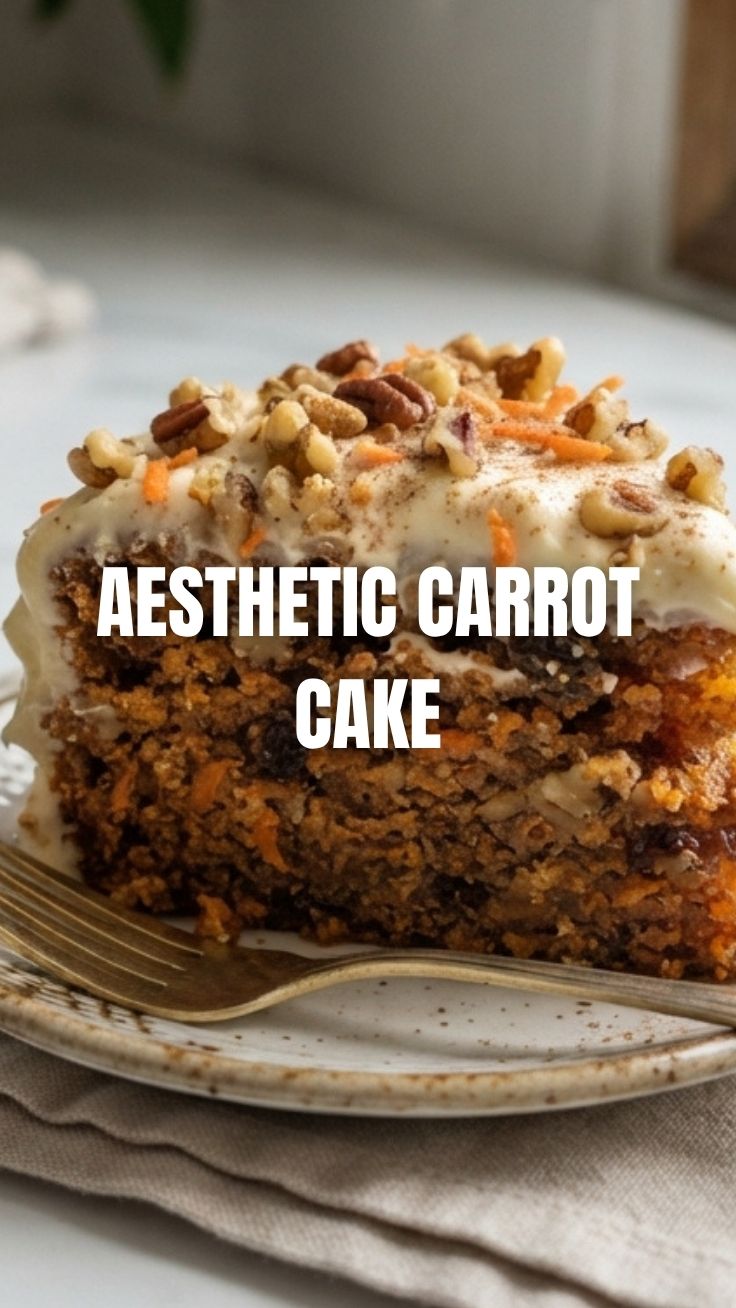
Craving a slice of heaven, rich with warm spices, moist crumb, and tangy cream cheese frosting? There’s something undeniably magical about a homemade carrot cake. Forget bland, store-bought versions; preparing your own allows for unparalleled control over flavor, texture, and quality. This comprehensive guide will equip you with everything you need to bake an exquisite Carrot Cake, ensuring each bite is a delightful experience. We’ll explore the nuances of creating a truly memorable dessert, offering a detailed Carrot Cake Recipe that will impress without overwhelming. Get ready to transform simple ingredients into a show-stopping treat that your taste buds will thank you for.
Ingredients & Kitchen Tools
Crafting the perfect Carrot Cake requires a thoughtful selection of ingredients and the right tools.
- All-Purpose Flour (2 cups): The structural backbone. Use unbleached for better flavor.
- Granulated Sugar (1 ½ cups): Sweetness and moisture.
- Brown Sugar (½ cup): Adds a deeper, caramel-like note and extra moisture.
- Baking Soda (2 teaspoons): Leavening agent for lift and tenderness.
- Ground Cinnamon (2 teaspoons): Essential warm spice for classic flavor.
- Ground Nutmeg (½ teaspoon): Enhances the spiced aroma.
- Salt (1 teaspoon): Balances sweetness and brings out other flavors.
- Large Eggs (4, at room temperature): Binds ingredients and adds richness. Room temperature eggs emulsify better.
- Vegetable Oil (1 cup): Provides moisture and a tender crumb. Can substitute with neutral-flavored oils like canola or grapeseed.
- Vanilla Extract (2 teaspoons): Enhances overall flavor. Pure vanilla extract is always best.
- Grated Carrots (3 cups, packed): The star ingredient! Use freshly grated for best texture and moisture. About 4-5 medium carrots.
- Chopped Pecans or Walnuts (1 cup, optional): Adds crunch and nutty flavor.
- Cream Cheese Frosting:
* Cream Cheese (8 oz block, softened): Tangy base for frosting. Full-fat for best results.
* Unsalted Butter (½ cup/1 stick, softened): Adds richness and stability.
* Powdered Sugar (3-4 cups, sifted): Sweetener and thickener for frosting. Sifting prevents lumps.
* Vanilla Extract (1 teaspoon): Essential for frosting flavor.
Kitchen Tools:
- Two 9-inch round cake pans: For even baking.
- Large mixing bowls (2): For wet and dry ingredients.
- Whisk: To combine dry ingredients.
- Electric mixer (stand or hand-held): For whisking eggs and making frosting.
- Rubber spatula: For folding and scraping bowls.
- Measuring cups and spoons: For precise ingredient amounts.
- Grater: For carrots.
- Parchment paper: Prevents sticking and easy removal.
Prep Time & Cooking Schedule
- Prep Time: 30 minutes (includes grating carrots and gathering ingredients)
- Cook Time: 30-35 minutes
- Cooling Time: 1-2 hours (essential before frosting to prevent melting)
- Total Time: Approximately 2-3 hours
To plan efficiently, start by grating your carrots and bringing eggs to room temperature. While the cakes bake, you can prepare the frosting. Ensure ample cooling time before frosting; a warm cake will lead to a messy, melted frosting disaster!
Step-by-Step Instructions
Follow these detailed steps to bake a magnificent Carrot Cake:
1. Preparation (10 minutes): Preheat your oven to 350°F (175°C). Grease and flour two 9-inch round cake pans, then line the bottoms with parchment paper. This ensures easy release.
2. Combine Dry Ingredients (5 minutes): In a large bowl, whisk together the all-purpose flour, granulated sugar, brown sugar, baking soda, ground cinnamon, ground nutmeg, and salt. Whisking ensures all spices and leavening agents are evenly distributed.
3. Combine Wet Ingredients (5 minutes): In another large bowl, whisk the large eggs until light and frothy. Gradually whisk in the vegetable oil and vanilla extract until well combined.
4. Combine Wet and Dry (5 minutes): Pour the wet ingredients into the dry ingredients. Stir gently with a rubber spatula until just combined. Be careful not to overmix, as this can lead to a tough cake.
5. Fold in Carrots & Nuts (5 minutes): Gently fold in the grated carrots and optional chopped pecans or walnuts. Ensure they are evenly distributed throughout the batter. This attention to detail will result in an incredible Carrot Cake Recipe.
6. Bake (30-35 minutes): Divide the batter evenly between the prepared cake pans. Bake for 30-35 minutes, or until a wooden skewer inserted into the center comes out clean.
7. Cool (1-2 hours): Let the cakes cool in their pans on a wire rack for 10-15 minutes before inverting them onto the rack to cool completely. Do not frost until completely cool.
8. Prepare Cream Cheese Frosting (10 minutes): In a large bowl, using an electric mixer, beat the softened cream cheese and unsalted butter together until smooth and creamy. Gradually add the sifted powdered sugar, one cup at a time, beating until smooth after each addition. Stir in the vanilla extract. If too thick, add a splash of milk; if too thin, add more powdered sugar.
9. Assemble & Frost (10-15 minutes): Once the cakes are completely cool, place one layer on your serving plate. Spread about a third of the frosting evenly over the top. Place the second cake layer on top and spread the remaining frosting over the top and sides of the cake. Garnish with additional chopped nuts if desired.
Nutritional Benefits & Advantages
Beyond its delicious taste, Carrot Cake offers some surprising nutritional benefits. Carrots are rich in beta-carotene, an antioxidant that the body converts to Vitamin A, crucial for vision, immune function, and skin health. They also provide dietary fiber, aiding digestion. While it’s a dessert, making it at home allows you to use fresh ingredients, control sugar levels, and benefit from the wholesome additions like nuts (healthy fats, protein, and fiber) and eggs (protein).
Tips, Variations & Cooking Advice
- Spice It Up: Add a pinch of ground ginger or allspice for a more complex spice profile.
- Zest Appeal: Incorporate the zest of one orange or lemon into the batter for a bright, citrusy note.
- Pineapple Power: For an even moister cake, add ½ cup of crushed pineapple (well-drained) to the batter.
- Gluten-Free: Substitute all-purpose flour with a 1:1 gluten-free baking blend.
- Dairy-Free Frosting: Use dairy-free cream cheese and butter alternatives for the frosting.
- Portion Control: Bake in a 9×13 inch pan for a sheet cake, or use a muffin tin for individual cupcakes. Adjust baking time accordingly.
Common Mistakes to Avoid
- Overmixing the Batter: Leads to a tough, dense cake. Mix only until ingredients are just combined.
- Under-grating Carrots: Large chunks of carrot won’t cook down properly, resulting in an uneven texture. Use fine to medium grate.
- Frosting a Warm Cake: The frosting will melt and slide off. Always ensure cakes are completely cool.
- Not Greasing/Flouring Pans Properly: Cakes will stick, making removal difficult and potentially tearing the layers. Parchment paper is your best friend here.
- Skipping Room Temperature Ingredients: Especially eggs and butter for the frosting. They emulsify better, creating a smoother texture.
Storage & Meal Prep Tips
Leftover Carrot Cake, especially with cream cheese frosting, should be stored in an airtight container in the refrigerator for up to 3-4 days. For longer storage, individual unfrosted cake layers can be wrapped tightly in plastic wrap and then foil, and frozen for up to 2-3 months. Thaw in the refrigerator overnight before frosting. Frosted cake can also be frozen, but the texture of the frosting may slightly change upon thawing.
Conclusion
Baking a homemade Carrot Cake is a rewarding experience that yields an undeniably superior dessert. By following this detailed guide and embracing the tips provided, you can confidently create a moist, flavorful, and beautifully frosted cake that will delight everyone. This comprehensive Carrot Cake Recipe isn’t just about baking; it’s about crafting an experience. We encourage you to try this recipe, share your delicious results, and perhaps even experiment with your own unique twists!
FAQs
Q1: Can I use pre-shredded carrots?
A1: While convenient, pre-shredded carrots are often drier and thicker, which can affect the cake’s moisture and texture. Freshly grated carrots are highly recommended for the best results.
Q2: My cream cheese frosting is too runny. What should I do?
A2: This usually happens if the cream cheese or butter was too warm, or not enough powdered sugar was added. Try chilling the frosting for 15-20 minutes, then beat again. If still too thin, gradually beat in more sifted powdered sugar.
Q3: Can I make this cake into cupcakes?
A3: Yes! Line a muffin tin with paper liners and fill each about two-thirds full. Bake for 20-25 minutes, or until a toothpick comes out clean.
Q4: How can I tell if my cake is done without a skewer?
A4: Gently press the center of the cake with your finger; if it springs back, it’s likely done. The edges should also be slightly pulled away from the pan.
Q5: What’s the best way to store leftover unfrosted cake layers?
A5: Once completely cooled, wrap each unfrosted cake layer tightly in plastic wrap (multiple layers if possible) and then in aluminum foil. They can be stored at room temperature for up to 2 days or frozen for up to 2-3 months.