Unlock Restaurant-Quality Flavor: The Ultimate Guide to Perfect Baked Salmon Every Time
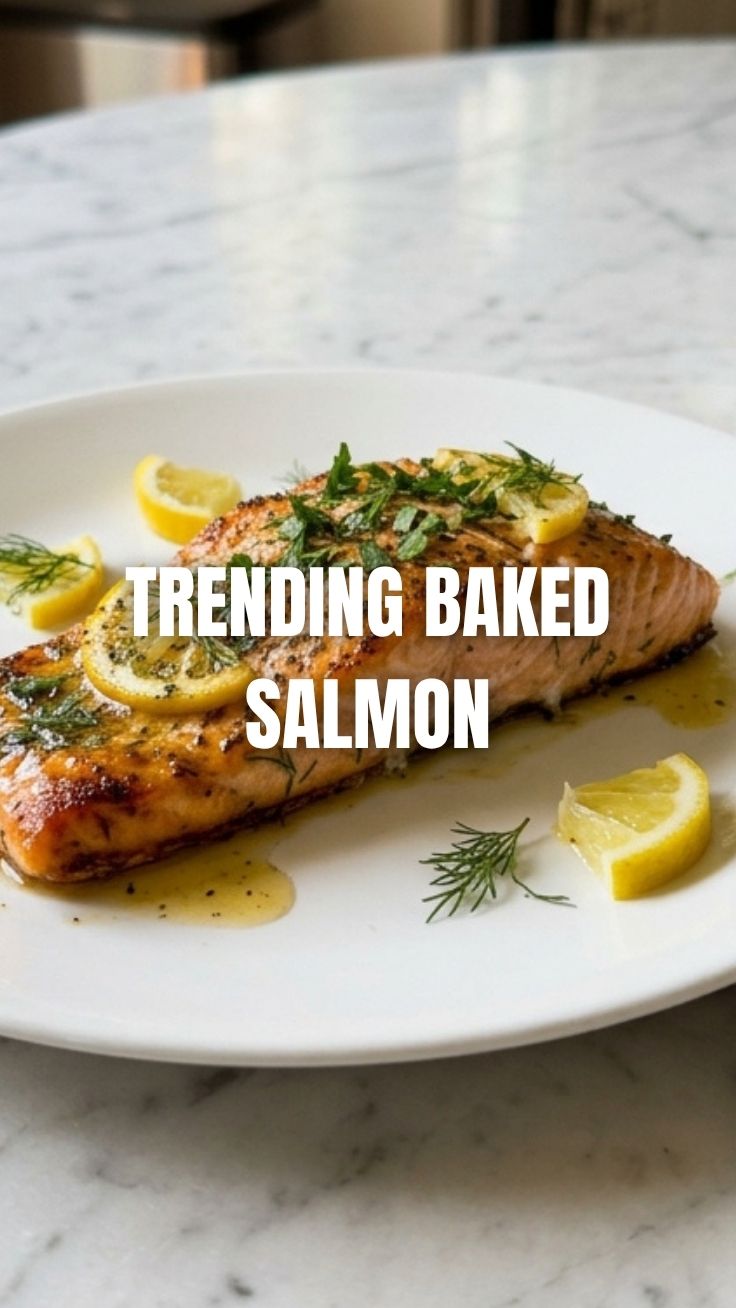
Ever wondered how to achieve that perfectly flaky, melt-in-your-mouth Baked Salmon that rivals your favorite restaurant dish? Preparing delicious salmon at home isn’t just about saving money; it’s about control over ingredients, personalized flavors, and the immense satisfaction of creating a gourmet meal in your own kitchen. This comprehensive guide will walk you through every step, ensuring your next salmon preparation, whether it’s a simple baked fillet or a show-stopping Cedar Plank Salmon, is a resounding success. Get ready to elevate your culinary skills and impress your taste buds, all while enjoying the numerous health benefits this incredible fish offers.
Ingredients & Kitchen Tools
To embark on your journey to perfect Baked Salmon, gather these essential items:
- Salmon Fillets (1.5-2 lbs): Skin-on or off, your preference. Choose fresh, vibrant pink fillets for the best flavor and texture.
- Olive Oil (2 tbsp): A good quality extra virgin olive oil helps with searing and infuses flavor.
- Lemon (1 large): Fresh lemon juice brightens the flavor and adds acidity. You’ll need slices for baking and wedges for serving.
- Fresh Dill (2 tbsp, chopped): Or other fresh herbs like parsley or chives for aromatic enhancement. Dried dill can be used in a pinch (1 tsp).
- Garlic (3-4 cloves, minced): Essential for a savory aroma and taste.
- Salt (to taste): Kosher or sea salt for seasoning.
- Black Pepper (to taste): Freshly ground for superior flavor.
- Optional Spices: Paprika, onion powder, or a dash of cayenne for a little kick.
- Baking Sheet: A sturdy sheet pan for even cooking.
- Parchment Paper or Aluminum Foil: Prevents sticking and makes cleanup a breeze.
- Meat Thermometer: Crucial for ensuring perfect doneness and food safety.
- Small Bowl: For mixing seasonings.
- Tongs or Spatula: For handling the fish.
Prep Time & Cooking Schedule
- Prep Time: 10-15 minutes
- Cook Time: 12-18 minutes (depending on thickness)
- Resting Time: 5 minutes
This recipe is designed for efficiency. With a quick prep, you can have a gourmet meal on the table in under 30 minutes. Plan to preheat your oven while you prepare the salmon, and allow a few minutes for the fish to rest after cooking – this crucial step ensures the juices redistribute, resulting in a more tender and flavorful fillet.
Step-by-Step Instructions
1. Preheat Oven & Prepare Pan: Preheat your oven to 400°F (200°C). Line a baking sheet with parchment paper or aluminum foil for easy cleanup.
2. Pat Dry Salmon: Gently pat the salmon fillets dry with paper towels. This helps achieve a crispier exterior.
3. Season the Salmon: In a small bowl, whisk together olive oil, minced garlic, chopped dill, salt, and pepper. You can also incorporate other spices like paprika for a smoky touch.
4. Coat Salmon: Place the salmon fillets on the prepared baking sheet. Brush the olive oil mixture generously over the top and sides of each fillet, ensuring even coverage.
5. Add Lemon Slices: Arrange lemon slices directly on top of the seasoned salmon fillets. This infuses a bright, citrusy flavor during cooking.
6. Bake: Transfer the baking sheet to the preheated oven. Bake for 12-18 minutes, or until the internal temperature reaches 145°F (63°C) at its thickest point. The estimated cooking time for Baked Salmon can vary depending on the thickness of your fillets. If you’re opting for a more rustic approach like Cedar Plank Salmon, the cooking time will be slightly longer and the temperature lower, usually around 350°F (175°C).
7. Rest & Serve: Once cooked, remove the salmon from the oven and let it rest for 5 minutes before serving. This allows the juices to redistribute, leading to a more succulent result. Serve with fresh lemon wedges.
Nutritional Benefits & Advantages
Salmon is a nutritional powerhouse. It’s an excellent source of omega-3 fatty acids, known for supporting heart health, brain function, and reducing inflammation. It’s also packed with high-quality protein, essential for muscle repair and growth, and rich in Vitamin D, crucial for bone health and immune function. Furthermore, salmon provides important B vitamins and potassium. Incorporating salmon into your diet regularly can contribute to overall well-being and a balanced lifestyle.
Tips, Variations & Cooking Advice
- Flavor Variations: Experiment with different herb combinations (thyme, rosemary), spice blends (Cajun, blackening), or marinades (teriyaki, honey mustard).
- Alternative Cooking Methods: For a smoky flavor, try grilling your salmon. Pan-searing is excellent for a crispy skin, while poaching offers a delicate, moist texture.
- Dietary Adaptations: This recipe is naturally gluten-free and dairy-free.
- Perfect Doneness: The key to delicious salmon is not to overcook it. Use a meat thermometer to ensure it reaches 145°F (63°C) for a moist, flaky result.
Common Mistakes to Avoid
- Overcooking: The most common mistake! Overcooked salmon becomes dry and chalky. A meat thermometer is your best friend.
- Not Patting Dry: Skipping this step can prevent a good sear or crisp exterior.
- Under-seasoning: Salmon has a delicate flavor that benefits from proper seasoning. Don’t be afraid to use enough salt and pepper.
- Forgetting to Rest: Resting allows the internal temperature to equalize and the juices to settle, leading to a more tender fish.
Storage & Meal Prep Tips
Leftover Baked Salmon can be stored in an airtight container in the refrigerator for up to 3 days. It’s delicious cold in salads, flaked into wraps, or gently reheated. To reheat, warm in a microwave on low heat or in a preheated oven at 275°F (135°C) until just warmed through to prevent drying it out. Freezing cooked salmon is possible, but it may alter the texture slightly.
Conclusion
Mastering the art of Baked Salmon opens up a world of healthy, delicious, and convenient meal options. From the simple elegance of a perfectly baked fillet to the smoky allure of a Cedar Plank Salmon, this recipe proves that incredible flavor doesn’t have to be complicated. We encourage you to try this recipe tonight and experience the satisfaction of creating a restaurant-quality dish in your own kitchen! Share your culinary triumphs in the comments below, and let us know your favorite ways to enjoy this versatile fish.
FAQs
Q: Can I use frozen salmon?
A: Yes, absolutely! Thaw frozen salmon completely in the refrigerator overnight before cooking. Pat it very dry before seasoning.
Q: How do I know if my salmon is cooked through without a thermometer?
A: The salmon should flake easily with a fork and appear opaque throughout. If it still looks translucent in the center, it needs more cooking time.
Q: What are good side dishes for baked salmon?
A: Roasted vegetables (asparagus, broccoli), quinoa, rice pilaf, or a fresh green salad all pair wonderfully.
Q: Can I prepare the salmon ahead of time?
A: You can season the salmon up to 30 minutes before baking. For best results, it’s recommended to cook it shortly after seasoning.
Q: How can I add a smoky flavor without a cedar plank?
A: A pinch of smoked paprika or a tiny dash of liquid smoke mixed into the seasoning can impart a subtle smoky note.