Mastering the Art of Savory Wild Rice Pilaf: Your Ultimate Guide
Ever wondered how to elevate a simple side dish into a culinary masterpiece that steals the show? This guide will unveil the secrets to crafting the perfect Wild Rice Pilaf, a dish renowned for its nutty flavor, delightful texture, and versatile appeal. Preparing this at home isn’t just about cooking; it’s about creating a wholesome, flavorful experience that transcends the ordinary. Forget bland, uninspired rice dishes. We’re about to embark on a journey that transforms humble ingredients into a symphony of tastes and textures, showcasing why wild rice recipes are gaining such immense popularity in home kitchens.
Ingredients & Kitchen Tools
To embark on this culinary adventure, gather the following:
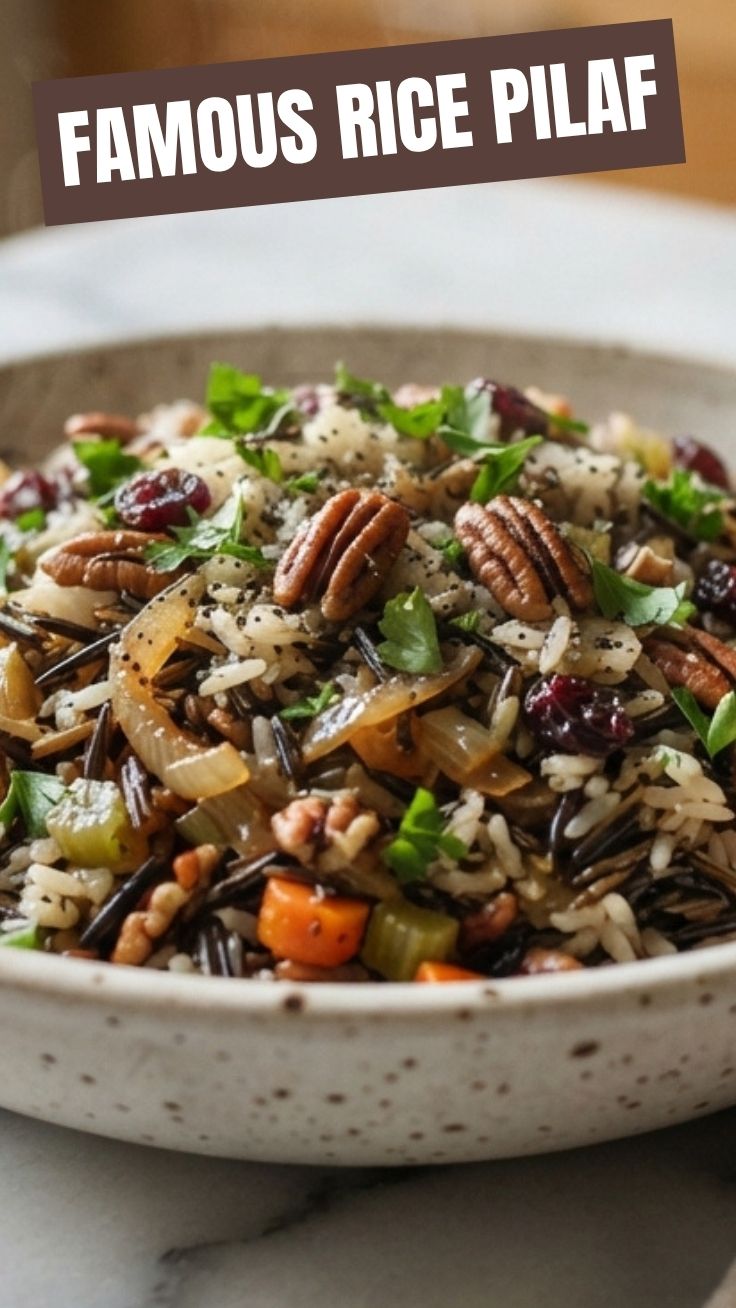
- 1 cup Wild Rice Blend: A mix of wild rice, brown rice, red rice, and sometimes other grains, offering diverse textures and nutritional benefits. Look for blends with at least 50% wild rice.
- 3 cups Vegetable or Chicken Broth (low sodium): The liquid base for cooking; provides depth of flavor. Low sodium allows you to control the seasoning.
- 2 tablespoons Olive Oil: For sautéing aromatics and adding a rich, fruity note. Extra virgin is preferred for its flavor.
- 1 medium Yellow Onion (finely diced): A foundational aromatic that adds sweetness and savory depth.
- 2 cloves Garlic (minced): Pungent and flavorful, a staple in many savory dishes.
- 1/2 cup Dried Cranberries (or tart cherries): Adds a burst of sweet-tart flavor and a chewy texture.
- 1/4 cup Pecans or Walnuts (toasted and chopped): Provides a delightful crunch and nutty richness. Toasting enhances their flavor significantly.
- 2 tablespoons Fresh Parsley (chopped): For a fresh, herbaceous finish and vibrant color.
- 1 Bay Leaf: Infuses a subtle, earthy aroma into the pilaf. Remove before serving.
- Salt and Freshly Ground Black Pepper (to taste): Essential for seasoning and balancing flavors.
- Large Saucepan with Lid (or Dutch oven): For cooking the pilaf evenly.
- Fine-mesh Sieve: For rinsing the wild rice.
- Cutting Board and Chef’s Knife: For preparing vegetables.
- Wooden Spoon or Spatula: For stirring and sautéing.
Prep Time & Cooking Schedule
- Prep Time: 15 minutes (includes dicing, mincing, and toasting nuts)
- Cook Time: 45-55 minutes
- Resting Time: 10 minutes
Plan to start your pilaf about an hour and a half before you intend to serve it. The resting time is crucial for the grains to fully absorb the liquid and achieve their ideal texture. While the pilaf simmers, you can focus on preparing other components of your meal.
Step-by-Step Instructions
1. Rinse the Wild Rice Blend: Place the 1 cup of Wild Rice Pilaf blend in a fine-mesh sieve and rinse under cold running water until the water runs clear. This removes excess starch and ensures a fluffier pilaf.
2. Sauté Aromatics: In a large saucepan or Dutch oven, heat the 2 tablespoons of olive oil over medium heat. Add the finely diced yellow onion and sauté for 5-7 minutes, until softened and translucent. Add the minced garlic and cook for another minute until fragrant, being careful not to burn it.
3. Toast the Wild Rice: Add the rinsed wild rice blend to the saucepan with the aromatics. Stir frequently for 2-3 minutes, toasting the grains. This step, often overlooked in wild rice recipes, helps to enhance their nutty flavor.
4. Simmer: Pour in the 3 cups of vegetable or chicken broth. Add the bay leaf, 1/2 teaspoon of salt, and 1/4 teaspoon of black pepper. Bring the mixture to a boil, then reduce the heat to low, cover the saucepan tightly, and simmer for 45-55 minutes, or until the liquid is absorbed and the wild rice is tender. The exact cooking time may vary slightly depending on your specific wild rice blend.
5. Add Final Touches: Once cooked, remove the saucepan from the heat and let it rest, covered, for 10 minutes. This allows the steam to redistribute and the grains to plump up. Remove the bay leaf.
6. Fluff and Serve: Gently fluff the Wild rice recipes with a fork. Stir in the dried cranberries and toasted pecans or walnuts. Taste and adjust seasoning with additional salt and pepper if needed. Garnish with fresh chopped parsley and serve warm.
Nutritional Benefits & Advantages
Wild rice, though botanically a grass, is a nutritional powerhouse. It’s an excellent source of plant-based protein, dietary fiber, and essential minerals like phosphorus, magnesium, and zinc. The addition of dried cranberries provides antioxidants and vitamin C, while nuts contribute healthy fats and further protein. This pilaf is naturally gluten-free and can easily be made vegetarian or vegan by using vegetable broth. Its high fiber content promotes digestive health and contributes to a feeling of fullness, making it a satisfying and healthy side dish.
Tips, Variations & Cooking Advice
- Flavor Boost: For an extra layer of flavor, deglaze the pan with a splash of dry white wine after sautéing the aromatics, before adding the broth.
- Herbaceous Twist: Experiment with other fresh herbs like thyme or rosemary for different aromatic profiles.
- Vegetable Power: Incorporate diced carrots, celery, or mushrooms alongside the onion for added nutrients and texture. Add them at the same time as the onion.
- Sweet & Savory: For a sweeter touch, add a tablespoon of maple syrup or honey along with the broth.
- Spice It Up: A pinch of nutmeg or allspice can add warmth and complexity to the pilaf.
- Dietary Adaptations: For a dairy-free version, simply ensure your broth is dairy-free. This recipe is naturally gluten-free.
Common Mistakes to Avoid
- Not Rinsing the Rice: Skipping this step can lead to a sticky, clumpy pilaf.
- Over-Stirring During Cooking: This can break down the delicate grains and create a gummy texture. Stir only when necessary.
- Lifting the Lid Too Often: Each time you lift the lid, steam escapes, affecting the cooking process and potentially leading to undercooked rice. Trust the timing.
- Forgetting to Rest: The resting period is crucial for the grains to properly absorb moisture and achieve a tender, fluffy consistency.
- Insufficient Seasoning: Wild rice can be quite earthy, so don’t be shy with salt and pepper to bring out its best flavor.
Storage & Meal Prep Tips
Leftover Wild Rice Pilaf stores beautifully in an airtight container in the refrigerator for up to 3-4 days. It’s excellent for meal prepping, as it holds its texture well. To reheat, gently warm in a saucepan over low heat, adding a splash of broth or water if needed to prevent drying out. You can also microwave individual portions. Freezing cooked pilaf is also an option; spread it on a baking sheet to freeze individually, then transfer to a freezer-safe bag. It can be frozen for up to 2-3 months. Thaw overnight in the refrigerator before reheating.
Conclusion
Creating a flavorful and satisfying Wild Rice Pilaf is an incredibly rewarding culinary experience. By following these detailed instructions and embracing the natural goodness of wild rice, you’ll be able to prepare a dish that’s both nutritious and delicious. We hope these tips empower you to experiment with various Wild rice recipes and discover the joy of home-cooked excellence. Don’t hesitate to share your culinary creations and variations with us!
FAQs
Q1: Do I need to soak wild rice before cooking?
A1: While not strictly necessary for many wild rice blends, soaking for a few hours can slightly reduce cooking time and improve digestibility for some. Rinse thoroughly after soaking.
Q2: Can I use brown rice instead of a wild rice blend?
A2: Yes, but the cooking time will differ. Brown rice generally cooks faster (around 30-40 minutes). The flavor and texture will also be different.
Q3: How can I make this pilaf spicier?
A3: Add a pinch of red pepper flakes with the garlic, or include a finely diced jalapeño with the onion for a subtle kick.
Q4: My wild rice isn’t tender after the recommended cooking time. What went wrong?
A4: This can happen if your pot isn’t sealed tightly, allowing too much steam to escape, or if your heat was too low. Add another 1/4 cup of broth, cover tightly, and continue to simmer for 10-15 minutes, checking for tenderness.
Q5: Can I add meat to this pilaf?
A5: Absolutely! Cooked and shredded chicken, turkey, or even crumbled sausage can be folded in at the end with the cranberries and nuts for a more complete meal.