Wholesome Warmth: Crafting the Perfect Garden-Fresh Vegetable Soup
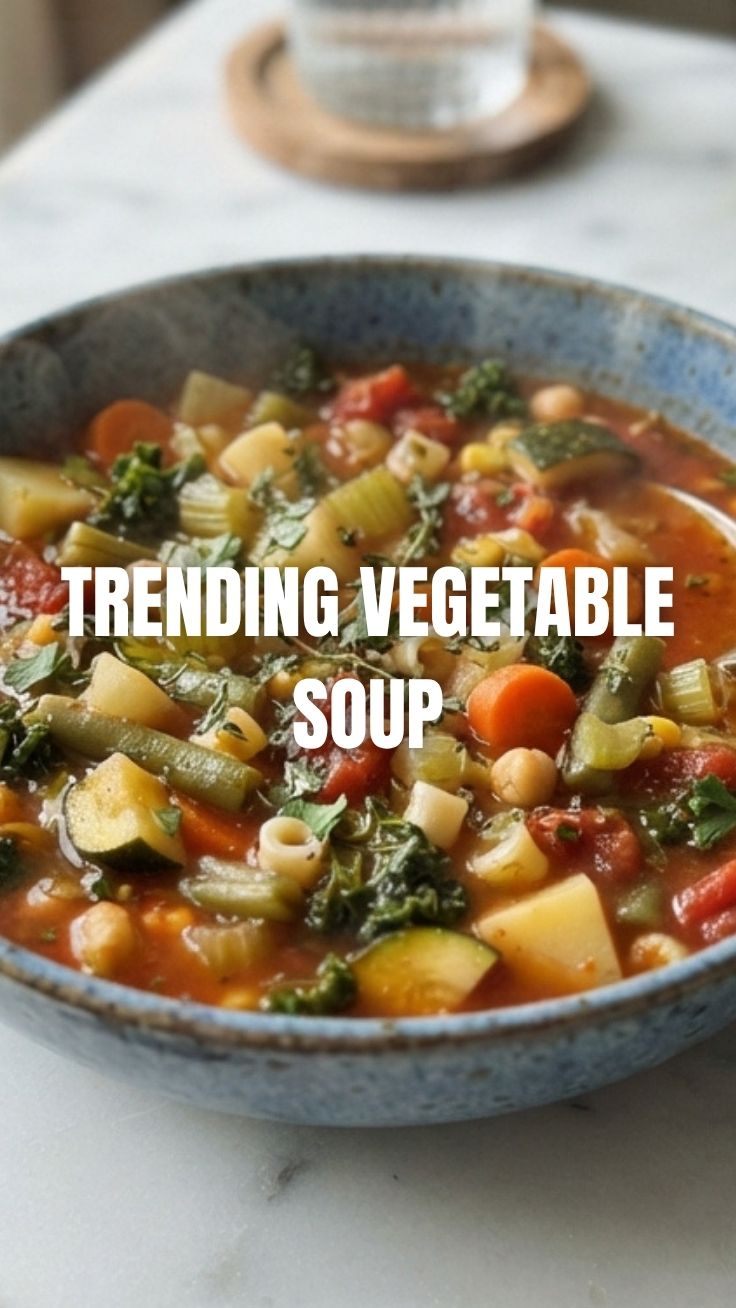
There’s something uniquely comforting about a steaming bowl of Vegetable Soup, isn’t there? In a world brimming with fast-food options and processed meals, the simple act of preparing a Homemade meal offers not just sustenance but a sense of accomplishment and nourishment. If you’ve ever dreamt of creating a hearty, flavorful, and incredibly nutritious soup from scratch, you’re in the right place. This guide will walk you through crafting a delicious vegetable soup, perfect for cold evenings or a light, wholesome lunch. This recipe harnesses the power of fresh produce, making it a fantastic way to boost your daily nutrient intake while savoring a truly satisfying dish.
Ingredients & Kitchen Tools
Gathering your mise en place before you begin is key to a smooth cooking experience.
Ingredients:
- 2 tablespoons olive oil: A good quality extra virgin olive oil provides a rich base flavor.
- 1 large yellow onion, chopped: Forms the aromatic foundation of the soup.
- 2 carrots, peeled and diced: Adds sweetness and vibrant color.
- 2 celery stalks, diced: Provides essential aromatic depth.
- 2 cloves garlic, minced: Infuses the soup with pungent, savory notes.
- 1 (14.5-ounce) can diced tomatoes, undrained: Contributes acidity and body to the broth.
- 6 cups vegetable broth (low sodium preferred): The liquid base; low sodium allows for better seasoning control.
- 1 cup green beans, trimmed and cut into 1-inch pieces: Adds fresh, crisp texture.
- 1 cup chopped zucchini: A tender squash that absorbs flavors beautifully.
- 1 cup chopped yellow squash: Similar to zucchini, provides a slightly different sweetness.
- 1/2 cup pasta (small shells, ditalini, or orzo): Optional, adds substance (or substitute with quinoa for gluten-free).
- 1 teaspoon dried thyme: Earthy, aromatic herb that complements vegetables well.
- 1/2 teaspoon dried oregano: A classic savory herb for depth.
- Salt and freshly ground black pepper to taste: Essential for enhancing all flavors.
- Fresh parsley or basil, chopped (for garnish): Adds a pop of fresh flavor and color.
Kitchen Tools:
- Large Dutch oven or stockpot: Ideal for even heat distribution and ample capacity.
- Cutting board and sharp knife: For safe and efficient vegetable preparation.
- Measuring cups and spoons: For accurate ingredient quantities.
- Ladle: For serving.
- Vegetable peeler: For carrots.
Prep Time & Cooking Schedule
- Prep time: 20 minutes (for chopping and measuring).
- Cook time: 35-40 minutes (simmering until vegetables are tender).
- Resting time: 5-10 minutes (allows flavors to meld before serving).
This recipe is perfect for a weeknight dinner, as the hands-on time is relatively brief. You can do the chopping ahead of time to make the cooking process even quicker.
Step-by-Step Instructions
1. Sauté Aromatics (5 minutes): Heat olive oil in your large Dutch oven or stockpot over medium heat. Add the chopped onion, carrots, and celery. Cook, stirring occasionally, until softened, about 5-7 minutes. This step is crucial for building the flavor base.
2. Add Garlic and Spices (1 minute): Stir in the minced garlic, dried thyme, and oregano. Cook for another minute until fragrant, being careful not to burn the garlic.
3. Combine Liquids and Tomatoes (2 minutes): Pour in the diced tomatoes (undrained) and vegetable broth. Bring the mixture to a gentle boil, then reduce heat to a simmer.
4. Introduce Heartier Vegetables (15 minutes): Add the green beans, zucchini, and yellow squash to the pot. Stir well. Partially cover and simmer for 15-20 minutes, or until the vegetables are tender but still have a slight bite. This ensures all vegetables cook evenly.
5. Cook Pasta (10 minutes): If using, add the small pasta to the soup. Continue to simmer, uncovered, until the pasta is cooked al dente, usually 8-10 minutes, depending on the pasta type. (For an even better Vegetable Soup experience, cook the pasta separately and add to individual bowls to prevent it from getting mushy if you expect leftovers).
6. Season and Finish: Season generously with salt and freshly ground black pepper to taste. Remember, perfecting your Homemade soup means adjusting seasoning to your preference.
7. Serve: Ladle hot soup into bowls. Garnish with fresh parsley or basil, if desired.
Nutritional Benefits & Advantages
This Vegetable Soup is a powerhouse of nutrition. It’s naturally low in calories and saturated fat, rich in fiber, and packed with vitamins and minerals from the array of fresh vegetables. Carrots provide beta-carotene (Vitamin A), celery offers Vitamin K and folate, and tomatoes are an excellent source of lycopene, a powerful antioxidant. The fiber content promotes digestive health and helps keep you feeling full and satisfied, making it an excellent choice for weight management.
Tips, Variations & Cooking Advice
- Spice It Up: Add a pinch of red pepper flakes with the garlic for a subtle heat.
- Protein Boost: Stir in drained canned cannellini beans, chickpeas, or pre-cooked shredded chicken during the last 10 minutes of simmering for added protein.
- Leafy Greens: Wilt in a handful of fresh spinach or kale during the last 5 minutes of cooking.
- Herb Power: Experiment with fresh rosemary or bay leaves during simmering for different aromatic profiles.
- Creamy Texture (Optional): For a creamier soup, you can blend about 1-2 cups of the soup (remove pasta first) and then return it to the pot, or stir in a splash of heavy cream or a spoonful of plain Greek yogurt at the end.
- Gluten-Free: Omit the pasta or use a gluten-free pasta alternative or substitute with quinoa.
Common Mistakes to Avoid
- Overcooking Vegetables: This can make them mushy and lose their vibrant color. Keep an eye on them, especially during the last stage of simmering.
- Undersalting: Soups often need more salt than you might think to bring out their full flavor. Taste and adjust!
- Rushing the Aromatics: Sautéing the onion, carrots, and celery slowly and thoroughly is crucial for developing the soup’s base flavor. Don’t skip this step or cut it short.
- Adding Pasta Too Early: If you’re planning for leftovers, cooking the pasta directly in the soup can lead to it becoming bloated and mushy. Cook it separately and add to individual bowls if you want to maintain its texture.
Storage & Meal Prep Tips
This Vegetable Soup is fantastic for meal prepping!
- Refrigeration: Store cooled soup in an airtight container in the refrigerator for up to 3-4 days.
- Freezing: This soup freezes beautifully (especially if you cook the pasta separately). Cool completely, then transfer to freezer-safe containers or bags. It can be frozen for up to 3 months. Thaw overnight in the refrigerator before reheating.
- Reheating: Reheat gently on the stovetop over medium-low heat, stirring occasionally, until warmed through. You may need to add a splash of extra broth or water to reach your desired consistency.
Conclusion
Creating a comforting and nutritious Vegetable Soup from scratch is a rewarding experience that yields delicious results. This Homemade recipe is not just about combining ingredients; it’s about layering flavors, nurturing your body with wholesome foods, and enjoying the simple pleasure of a well-prepared meal. We encourage you to try this recipe, experiment with the suggested variations, and make it your own. Share your creations in the comments below, and let us know your favorite additions!
FAQs
Q1: Can I use frozen vegetables instead of fresh?
A1: Yes, absolutely! Frozen mixed vegetables are a convenient substitute. Add them directly to the pot during step 4, increasing cooking time slightly if needed, as they often cook faster than fresh.
Q2: How can I make this soup richer?
A2: For a richer flavor, consider using a good quality homemade vegetable stock. You can also add a bay leaf during simmering or stir in a tablespoon of tomato paste with the aromatics.
Q3: My soup tastes a bit bland. What can I do?
A3: Blandness is usually a sign that more seasoning is needed. Add more salt and freshly ground black pepper. A squeeze of fresh lemon juice at the end can also brighten the flavors significantly.
Q4: Can I blend the soup for a creamier texture?
A4: Yes! For a smooth, creamy soup, you can blend a portion or all of the soup using an immersion blender directly in the pot, or carefully transfer to a regular blender (blending in batches). If blending the entire soup, do so before adding any pasta.
Q5: What are some good toppings for this soup?
A5: Besides fresh herbs, crumbled Parmesan cheese, crispy croutons, a dollop of pesto, a drizzle of chili oil, or a swirl of plain yogurt can all make excellent toppings.