Master the Art of Savory Turkey Tenderloin: Your Ultimate Guide
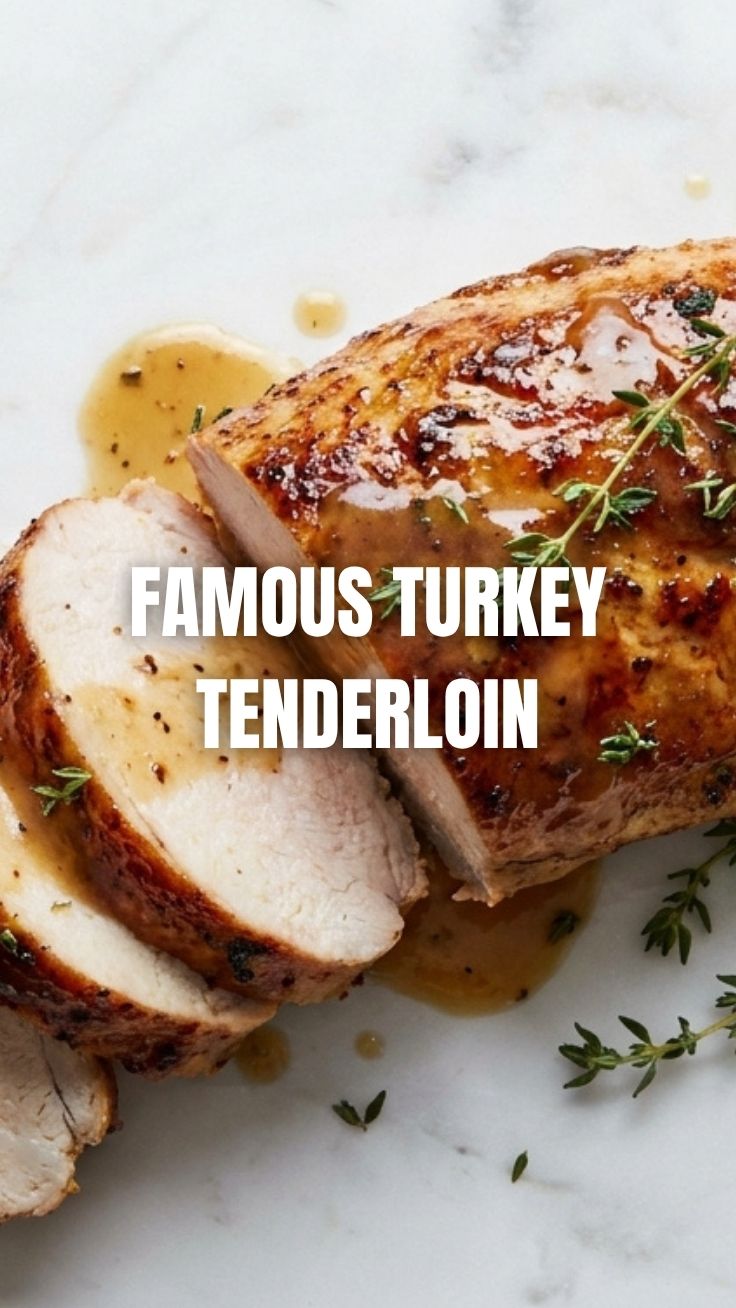
Ever wondered how to transform a simple cut of meat into a centerpiece dish that’s both healthy and bursting with flavor? Look no further! This comprehensive guide will walk you through crafting the perfect savory Turkey Tenderloin, a lean protein powerhouse that’s incredibly versatile and satisfying. By preparing this at home, you gain control over the ingredients, ensuring a wholesome and delicious meal that will impress without the fuss. Whether you’re looking for an alternative to classic roasted options or planning ahead for special occasions, mastering this recipe will elevate your culinary skills and bring a new favorite to your table, possibly even inspiring new Thanksgiving Turkey Recipes.
Ingredients & Kitchen Tools
Gathering your mise en place is the first step to culinary success. Here’s what you’ll need:
- 1.5 – 2 lbs Turkey Tenderloin: The star of our dish. Opt for fresh, not frozen, for best results.
- 2 tbsp Olive Oil: Extra virgin preferred, for searing and flavor. Can substitute with avocado oil.
- 1 tbsp Dried Herbs (e.g., Rosemary, Thyme, Sage): A fragrant blend that complements turkey beautifully. Use fresh herbs for a more intense flavor.
- 1 tsp Garlic Powder: Adds a savory depth. Fresh minced garlic (2-3 cloves) can be used.
- 1/2 tsp Onion Powder: Enhances the savory profile.
- 1/2 tsp Smoked Paprika: Provides a subtle smoky note and appealing color.
- Salt and Black Pepper to taste: Essential for seasoning.
- Optional Glaze (e.g., 2 tbsp maple syrup + 1 tbsp Dijon mustard): For a touch of sweetness and tang.
Kitchen Tools:
- Large Skillet or Oven-Safe Pan: Cast iron works wonderfully for even searing.
- Baking Sheet: For roasting in the oven.
- Meat Thermometer: Crucial for ensuring the turkey is cooked through to a safe temperature.
- Cutting Board and Sharp Knife: For prep and carving.
- Small Bowl: For mixing seasonings.
- Whisk (optional): For making the glaze.
Prep Time & Cooking Schedule
- Prep Time: 15 minutes
- Marinating Time (Optional): 30 minutes to 4 hours (or overnight for maximum flavor)
- Cook Time: 20-30 minutes
- Resting Time: 10 minutes
Plan your meal so the turkey has adequate time to marinate if desired. This allows the flavors to truly penetrate the meat, resulting in a more succulent and flavorful final product. The resting time post-cooking is non-negotiable; it re-distributes the juices, ensuring a tender and moist carve.
Step-by-Step Instructions
Follow these steps for a perfectly cooked, savory Turkey Tenderloin, just in time for your next holiday feast or a weeknight dinner.
1. Prepare the Turkey: Pat the Turkey Tenderloin dry with paper towels. This promotes a better sear. Trim any visible silverskin or excess fat.
2. Seasoning Blend: In a small bowl, combine olive oil, dried herbs, garlic powder, onion powder, smoked paprika, salt, and black pepper. Mix well to form a paste.
3. Season the Turkey: Rub the seasoning blend generously over all surfaces of the tenderloin. If marinating, cover and refrigerate for the desired time.
4. Preheat Oven & Skillet: Preheat your oven to 375°F (190°C). Heat the large skillet or oven-safe pan over medium-high heat until shimmering.
5. Sear the Tenderloin: Place the seasoned turkey tenderloin in the hot skillet. Sear for 2-3 minutes per side until beautifully browned and a crust has formed. This step locks in juices and develops flavor, a technique often used in exceptional Thanksgiving Turkey Recipes.
6. Roast in Oven: Transfer the skillet with the seared turkey to the preheated oven. If using a glaze, brush it on now. Roast for 15-25 minutes, or until an internal meat thermometer inserted into the thickest part reads 165°F (74°C).
7. Rest and Carve: Remove the turkey from the oven and transfer it to a cutting board. Tent loosely with foil and let it rest for 10 minutes. This is critical for juicy results. Then, slice against the grain into 1/2-inch thick medallions.
Nutritional Benefits & Advantages
Turkey tenderloin is an excellent choice for a health-conscious diet. It’s a lean protein source, rich in essential amino acids vital for muscle building and repair. It’s also packed with B vitamins (especially B6 and B12), which are crucial for energy metabolism and nervous system function. Furthermore, turkey provides selenium, an important antioxidant, and zinc, which supports immune health. Choosing turkey tenderloin offers a lower fat alternative to many red meats, making it an ideal option for weight management and heart health.
Tips, Variations & Cooking Advice
- Flavor Variations: Experiment with different herb blends. Try a Mediterranean mix with oregano and cumin, or an Asian-inspired rub with ginger and five-spice powder.
- Ingredient Swaps: Swap olive oil for butter for a richer flavor. For a spicier kick, add a pinch of cayenne pepper to your seasoning blend.
- Alternative Cooking Methods: This recipe can also be adapted for grilling. Preheat your grill to medium-high heat, sear for a few minutes per side, then cook indirectly until done. For a truly hands-off approach, consider slow-cooking or pressure-cooking, though searing beforehand is still recommended for flavor.
- Dietary Adaptations: This recipe is naturally gluten-free and can be easily made dairy-free by omitting any butter if used.
Common Mistakes to Avoid
- Overcooking: The biggest mistake! Turkey tenderloin is lean and can dry out quickly. Use a meat thermometer and pull it from the oven when it reaches 160-162°F, as it will continue to cook as it rests.
- Not Resting the Meat: Skipping the resting period causes the juices to run out when you slice, resulting in dry turkey.
- Not Patting Dry: Moisture on the surface prevents a good sear, which is crucial for flavor and texture.
- Under-seasoning: Turkey can be bland if not seasoned generously. Don’t be shy with your spices!
Storage & Meal Prep Tips
Cooked turkey tenderloin stores beautifully, making it excellent for meal prep.
- Refrigeration: Store leftover sliced turkey in an airtight container in the refrigerator for up to 3-4 days.
- Freezing: For longer storage, place cooled, sliced turkey in a freezer-safe bag or container and freeze for up to 2-3 months. Thaw overnight in the refrigerator before reheating.
- Reheating: Gently reheat in the microwave with a splash of broth to prevent drying, or in a covered dish in a 300°F (150°C) oven until warmed through. It’s also delicious cold in sandwiches or salads.
Conclusion
Mastering the savory Turkey Tenderloin is a culinary triumph that offers both incredible flavor and significant health benefits. This dish is not only straightforward to prepare but also highly adaptable, making it a perfect addition to your weekly rotation or a special holiday menu. By following these steps, you’re well on your way to creating a tender, juicy, and aromatic turkey that will become a go-to favorite. Whether you’re looking to expand beyond traditional poultry options or exploring new Thanksgiving Turkey Recipes, give this recipe a try and share your results! Your taste buds (and your family) will thank you.
FAQs
Q1: Can I use frozen turkey tenderloin?
A1: Yes, but make sure it’s fully thawed in the refrigerator before seasoning and cooking. Patting it extra dry is crucial.
Q2: What can I serve with savory turkey tenderloin?
A2: This dish pairs wonderfully with roasted vegetables, mashed potatoes, quinoa, rice pilaf, or a fresh garden salad.
Q3: How do I know when the turkey is done without a thermometer?
A3: While a thermometer is highly recommended, you can sometimes tell by the firmness—it should feel firm to the touch. However, a thermometer is the only way to guarantee safety and prevent overcooking.
Q4: Can I marinate the turkey overnight?
A4: Absolutely! Marinating overnight (up to 24 hours) will yield an even more flavorful and tender turkey tenderloin.
Q5: My turkey tenderloin turned out dry. What went wrong?
A5: The most common reason is overcooking. Ensure you’re using a meat thermometer and removing the turkey promptly once it reaches 160-162°F. Not resting the meat can also contribute to dryness.