Unleash the Flavor: Crafting the Perfect Homemade Tomato Soup
Tired of watery, bland canned soups? Imagine a warm, comforting bowl of vibrant Tomato Soup, bursting with garden-fresh flavor, a true culinary embrace on a chilly evening. Preparing this classic at home isn’t just about saving money; it’s about control – control over ingredients, seasoning, and ultimately, a dish that truly nourishes both body and soul. From the juicy sweetness of ripe tomatoes to the aromatic herbs, every spoonful of homemade tomato soup is a testament to simple ingredients transformed into something extraordinary. And for those seeking an elevated experience, exploring the nuances of Heirloom Tomato Soup can unlock even deeper, more complex flavors. Let’s dive into mastering this timeless comfort food.
Ingredients & Kitchen Tools
- Ripe Tomatoes (2.5 lbs): Choose varieties like Roma, San Marzano, or a mix of colorful heirloom tomatoes for optimal flavor. (The fresher, the better!)
- Onion (1 medium): Yellow or white onion, finely chopped, provides a sweet aromatic base.
- Garlic (3-4 cloves): Minced, for a pungent and savory depth.
- Vegetable or Chicken Broth (4 cups): Low-sodium preferred, for controlling seasoning.
- Olive Oil (2 tbsp): Extra virgin, for sautéing and enriching the flavor.
- Unsalted Butter (2 tbsp): Adds richness and a velvety texture.
- All-Purpose Flour (1 tbsp): Optional, for a slightly thicker consistency (roux).
- Fresh Basil (1/4 cup): Roughly chopped, for a bright, peppery finish.
- Heavy Cream or Coconut Milk (1/2 cup): Optional, for a creamy bisque-like consistency.
- Salt & Black Pepper: To taste, essential for enhancing all other flavors.
- Sugar (1 tsp, optional): To balance acidity if tomatoes are tart.
Kitchen Tools:
- Large Pot or Dutch Oven: For sautéing and simmering.
- Cutting Board & Chef’s Knife: For preparing vegetables.
- Immersion Blender or Regular Blender: For achieving a smooth consistency (if using a regular blender, be cautious with hot liquids).
- Measuring Cups & Spoons: For accurate ingredient quantities.
- Spatula or Wooden Spoon: For stirring.
- Fine-mesh Sieve (optional): For an extra-smooth, seedless soup.
Prep Time & Cooking Schedule
- Prep Time: 20 minutes (chopping tomatoes, onion, garlic).
- Cook Time: 45-55 minutes (sautéing, simmering, blending).
- Resting Time: 5-10 minutes (after blending, allowing flavors to meld).
This recipe is perfect for a leisurely weekend lunch or a comforting weeknight dinner. The hands-on time is minimal once the chopping is done, allowing the flavors to develop beautifully during the simmering process.
Step-by-Step Instructions
1. Prepare Your Aromatics: In your large pot or Dutch oven, heat the olive oil and butter over medium heat. Add the chopped onion and sauté for 5-7 minutes until softened and translucent, but not browned. Add the minced garlic and cook for another minute until fragrant. Avoid burning the garlic!
2. Build the Base: If you desire a slightly thicker soup, sprinkle in the flour and whisk constantly for 1-2 minutes to create a roux. This will help thicken the soup later.
3. Add Tomatoes & Simmer: Add your chopped fresh tomatoes to the pot. Pour in the vegetable or chicken broth. Bring the mixture to a gentle boil, then reduce the heat to low, cover, and simmer for at least 30-40 minutes. This slow simmer is crucial for breaking down the tomatoes and allowing their natural sweetness to intensify, forming the foundation of a truly exceptional Tomato Soup.
4. Blend to Perfection: Carefully remove the pot from the heat. Using an immersion blender, blend the soup directly in the pot until smooth. Alternatively, transfer the soup in batches to a regular blender (fill only halfway, vent the lid, and cover with a kitchen towel to prevent pressure buildup). Blend until creamy. For an ultra-smooth consistency, pass the blended soup through a fine-mesh sieve to remove any remaining seeds or skins, particularly recommended if you’re aiming for a luxurious Heirloom Tomato Soup.
5. Finish & Season: Return the blended soup to the pot over low heat. Stir in the fresh basil. If using, slowly whisk in the heavy cream or coconut milk until fully incorporated. Taste and season generously with salt, black pepper, and if your tomatoes are a bit tart, a pinch of sugar. Continue to heat through gently for a few minutes, but do not boil after adding cream.
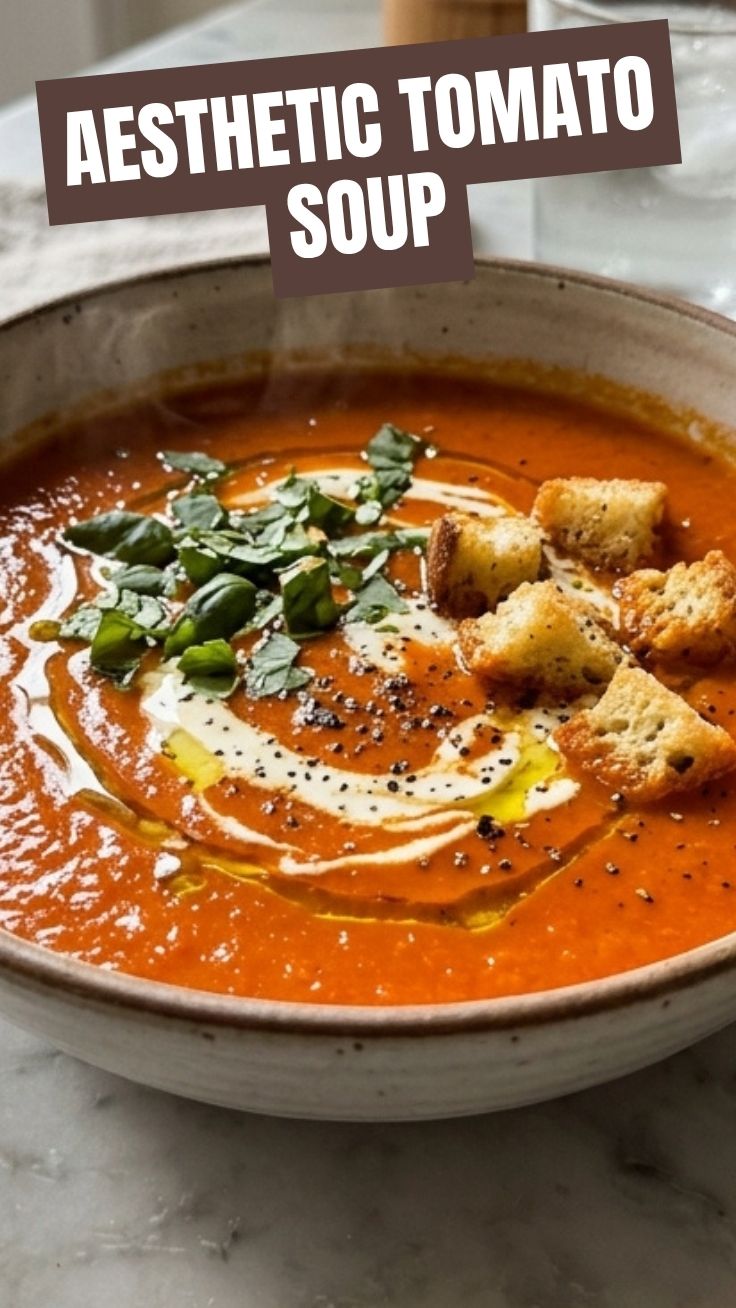
6. Serve: Ladle hot into bowls, garnish with extra fresh basil, a drizzle of olive oil, or a swirl of cream.
Nutritional Benefits & Advantages
Homemade tomato soup is a powerhouse of nutrients. Tomatoes are rich in lycopene, a potent antioxidant linked to heart health and cancer prevention, which becomes even more bioavailable when cooked. This soup also provides significant amounts of Vitamin C and Vitamin K, as well as potassium. With a homemade version, you avoid the excessive sodium, preservatives, and added sugars often found in canned varieties, making it a truly wholesome and nourishing meal.
Tips, Variations & Cooking Advice
- Roast Your Tomatoes: For an incredibly deep, smoky flavor, halve your tomatoes and roast them with a drizzle of olive oil, salt, and pepper at 400°F (200°C) for 25-30 minutes before adding them to the pot.
- Spice It Up: Add a pinch of red pepper flakes with the garlic for a subtle kick.
- Herbal Infusion: Experiment with other herbs like thyme, oregano, or a bay leaf during the simmering process.
- Cream Alternatives: For a dairy-free or vegan option, unsweetened full-fat coconut milk or cashew cream work beautifully.
- Flavor Boosters: A splash of balsamic vinegar or a dash of Worcestershire sauce (vegan option available) can add a complex umami note.
Common Mistakes to Avoid
- Undercooking Tomatoes: Not simmering long enough results in a thin, watery soup with raw-tasting tomatoes. Give them time to break down fully.
- Overcooking Cream: If adding dairy, avoid boiling the soup afterward, as it can cause the cream to curdle.
- Skipping Seasoning: Tomatoes need salt to truly shine. Taste and adjust seasoning at the end.
- Ignoring Acidity: Some tomatoes are more acidic than others. A small pinch of sugar can perfectly balance the flavor.
- Blending Too Hot (with regular blender): This is a safety hazard. Always allow the soup to cool slightly or use extreme caution and ventilation.
Storage & Meal Prep Tips
Homemade tomato soup stores wonderfully.
- Refrigeration: Store in an airtight container in the refrigerator for up to 3-4 days.
- Freezing: This soup freezes exceptionally well. Allow it to cool completely, then transfer to freezer-safe containers or bags, leaving some headspace for expansion. It can be frozen for up to 3 months.
- Reheating: Thaw frozen soup in the refrigerator overnight or gently reheat on the stovetop over low heat, stirring occasionally. Add a splash of broth or water if it seems too thick.
Conclusion
Crafting your own Tomato Soup from scratch is a rewarding culinary journey that transforms simple ingredients into a deeply satisfying and nourishing meal. The vibrant flavors, smooth texture, and customizable nature of this classic make it a staple in any home cook’s repertoire. And for those moments when you want to elevate the experience, remember the exquisite depth and unique character that a well-prepared Heirloom Tomato Soup can offer. So, grab those ripe tomatoes, follow these steps, and savor the unparalleled taste of homemade goodness. We encourage you to try this recipe, share your delicious creations, and explore other comforting recipes on our blog!
FAQs
Q1: Can I use canned tomatoes for this recipe?
A1: Yes, absolutely! For convenience, use 2 (28-ounce) cans of crushed or diced tomatoes (preferably San Marzano). Adjust simmering time as canned tomatoes are already cooked down.
Q2: How can I make my tomato soup thicker without adding flour?
A2: You can achieve a thicker consistency by simmering the soup for a longer period to reduce it, or by blending in a cooked potato or some stale bread during the blending process.
Q3: What are some good garnishes for tomato soup?
A3: Besides fresh basil, consider a dollop of pesto, a sprinkle of grated Parmesan cheese, homemade croutons, a swirl of crème fraîche, or even a few roasted chickpeas for crunch.
Q4: My soup tastes a bit bland. What can I do?
A4: Ensure you’ve seasoned adequately with salt and pepper. A splash of balsamic vinegar, a squeeze of lemon juice, or a pinch of sugar can brighten and balance the flavors. You could also add a touch of smoked paprika or a dash of hot sauce for depth.