Savor the Flavor: Your Ultimate Guide to Irresistible Shrimp Scampi Pasta
Ever wondered how to bring that restaurant-quality seafood pasta experience right into your own kitchen? Whether you’re a seasoned chef or a culinary novice, mastering the art of a truly exceptional Shrimp Scampi Pasta recipe is not only incredibly rewarding but also surprisingly straightforward. This dish, famous for its delicate balance of savory shrimp, aromatic garlic, and al dente pasta, offers a gourmet meal without the gourmet price tag. There’s an unparalleled satisfaction in creating a homemade dish that rivals your favorite eatery, and this guide will show you exactly how to achieve that. Prepare to impress yourself and your loved ones with a plate of delectable garlic shrimp pasta.
Ingredients & Kitchen Tools
Crafting the perfect Shrimp Scampi Pasta requires a careful selection of fresh ingredients and a few fundamental kitchen tools. Here’s what you’ll need:
- 1 lb Large Shrimp (peeled and deveined): Opt for fresh or frozen (thawed) shrimp. The larger the shrimp, the meatier the bite.
- 8 oz Linguine or Spaghetti: Long, thin pasta strands are ideal for coating with the luscious sauce.
- ½ cup Dry White Wine (e.g., Pinot Grigio, Sauvignon Blanc): Adds depth and a subtle acidity. Avoid “cooking wine” as it often contains added salt and preservatives.
- ¼ cup Fresh Lemon Juice: Brightens the flavors and balances the richness. Always use fresh-squeezed!
- ½ cup Unsalted Butter: The base of our rich sauce. Unsalted gives you control over the overall sodium content.
- 4-6 Cloves Garlic (minced): The star of this dish! More garlic equals more flavor.
- ¼ cup Fresh Parsley (chopped): For freshness and a pop of color. Flat-leaf (Italian) parsley is preferred.
- ½ tsp Red Pepper Flakes (optional): For a touch of heat, adjust to your preference.
- Salt and Freshly Ground Black Pepper: To taste, essential for seasoning.
- 2 tbsp Olive Oil: For sautéing.
- Kitchen Tools: Large skillet or sauté pan, large pot for pasta, tongs, cutting board, sharp knife, citrus juicer.
Prep Time & Cooking Schedule
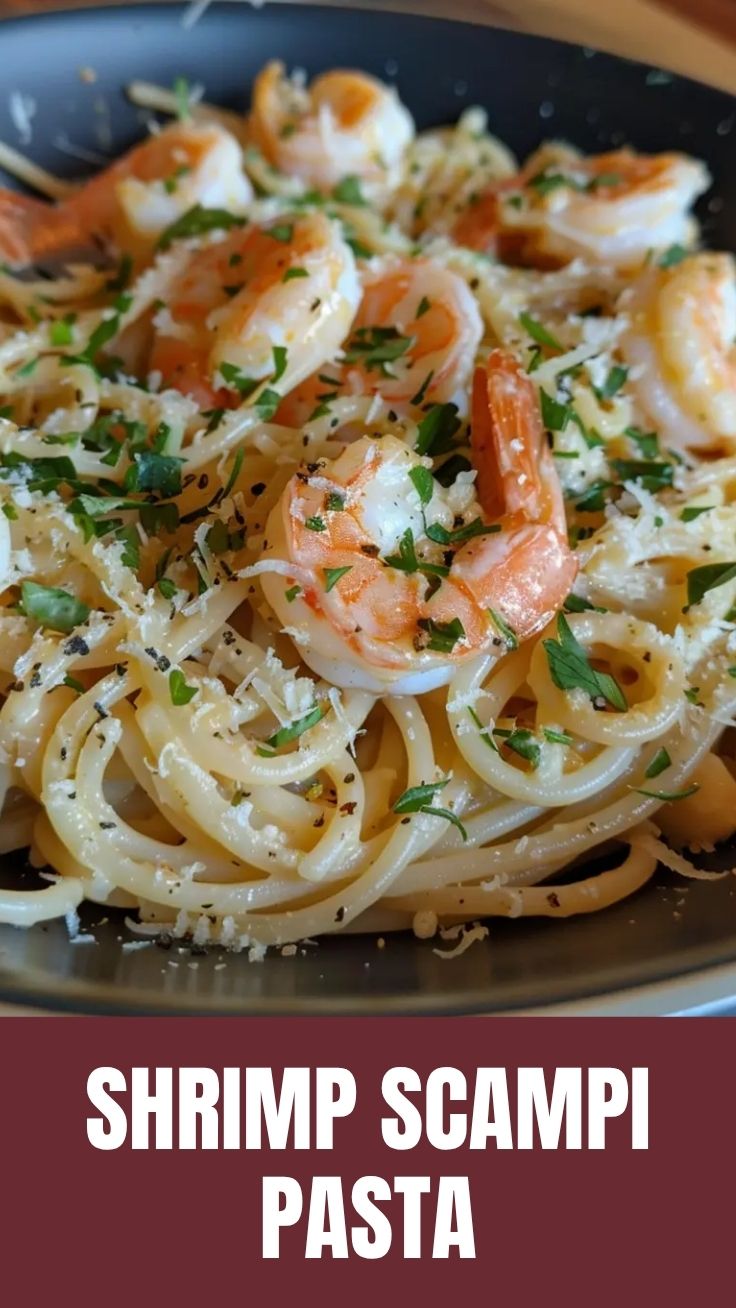
This recipe is wonderfully quick, making it perfect for a weeknight meal or an impromptu dinner party.
- Prep Time: 15 minutes (Includes shrimp peeling/deveining, garlic mincing, parsley chopping, and lemon juicing).
- Cook Time: 20-25 minutes (Pasta cooking concurrent with shrimp and sauce).
- Total Time: Approximately 35-40 minutes.
This efficient schedule allows you to have a delicious, homemade meal on the table in under an hour, proving that gourmet doesn’t have to mean time-consuming.
Step-by-Step Instructions
1. Cook the Pasta: Bring a large pot of salted water to a rolling boil. Add the linguine and cook according to package directions until al dente. Before draining, reserve about 1 cup of pasta water.
2. Prepare the Shrimp: While the pasta cooks, pat the peeled and deveined shrimp dry with paper towels. Season generously with salt and black pepper.
3. Sauté Garlic: Heat 2 tablespoons of olive oil and 2 tablespoons of butter in a large skillet over medium heat. Add the minced garlic and red pepper flakes (if using). Sauté for about 1 minute until fragrant, being careful not to burn the garlic.
4. Cook the Shrimp: Increase heat to medium-high. Add the seasoned shrimp to the skillet in a single layer. Cook for 1-2 minutes per side, until they turn pink and opaque. Do not overcrowd the pan; cook in batches if necessary. Remove the cooked shrimp from the pan and set aside.
5. Build the Sauce: Deglaze the pan with white wine, scraping up any browned bits. Let it simmer for 1-2 minutes, reducing slightly.
6. Finish the Sauce: Reduce heat to medium-low. Add the remaining butter and lemon juice. Stir until the butter is melted and the sauce is emulsified. If the sauce is too thick, add a splash of reserved pasta water. Season with more salt and pepper to taste.
7. Combine: Add the cooked linguine and the cooked shrimp back into the skillet with the sauce. Toss gently to coat everything evenly. Stir in the fresh chopped parsley.
8. Serve: Transfer your delightful Shrimp Scampi Pasta into bowls. Garnish with extra parsley and a sprinkle of Parmesan cheese if desired. Enjoy your homemade garlic shrimp pasta!
Nutritional Benefits & Advantages
Beyond its incredible taste, Shrimp Scampi Pasta offers several nutritional benefits. Shrimp is an excellent source of lean protein, low in calories, and rich in essential nutrients like selenium, vitamin B12, iron, and phosphorus. It also contains astaxanthin, an antioxidant that can support skin health and reduce inflammation. The garlic in the dish is well-known for its immune-boosting properties and heart-healthy compounds. When prepared with fresh ingredients and reasonable portions, this dish can be part of a balanced and wholesome diet, providing satisfying flavors without heavy fats.
Tips, Variations & Cooking Advice
- Spice It Up: For a bolder kick, increase the red pepper flakes or add a dash of cayenne pepper.
- Herb Power: Experiment with other fresh herbs like basil or oregano for a different aromatic profile.
- Veggie Boost: Add a handful of cherry tomatoes, spinach, or asparagus during the last few minutes of cooking for added nutrients and color.
- Gluten-Free Option: Simply use your favorite gluten-free pasta.
- Dairy-Free Option: Substitute butter with a high-quality vegan butter or extra olive oil, ensuring a rich texture without dairy.
- Wine Alternatives: If you prefer not to use wine, chicken broth or vegetable broth can be used as a substitute, though the flavor profile will be slightly different.
- Pasta Choice: While linguine is classic, spaghetti, fettuccine, or even angel hair pasta work beautifully.
Common Mistakes to Avoid
- Overcooking the Shrimp: This is the most common mistake! Shrimp cook very quickly. Overcooked shrimp become rubbery and tough. Cook until just pink and opaque, then remove from heat promptly.
- Burning the Garlic: Garlic can go from perfectly golden to burnt and bitter in seconds. Keep the heat moderate and watch it carefully.
- Under-seasoning: Don’t be shy with salt and pepper! Taste as you go, especially the sauce before adding the pasta and shrimp.
- Not Reserving Pasta Water: That starchy water is crucial for emulsifying the sauce and helping it cling to the pasta. Don’t drain it all!
Storage & Meal Prep Tips
Leftover Shrimp Scampi Pasta can be stored in an airtight container in the refrigerator for up to 2-3 days. Reheat gently on the stovetop over low heat, adding a splash of chicken broth or water to loosen the sauce and prevent the pasta from drying out. Avoid microwaving if possible, as it can make the shrimp rubbery. This dish is best enjoyed fresh, but leftovers are certainly still delicious. For meal prep, you can cook the pasta and shrimp separately and then combine and sauce just before serving.
Conclusion
Creating a sensational Shrimp Scampi Pasta at home is an achievable and incredibly rewarding culinary endeavor. With fresh ingredients, a few simple steps, and a keen eye on cooking times, you can transform humble shrimp and pasta into a dish that sings with vibrant flavors. This guide has provided you with all the tools, tips, and techniques needed to master this classic. So, gather your ingredients, fire up your stove, and prepare to delight in the exquisite taste of homemade garlic shrimp pasta. We encourage you to try this recipe and share your culinary successes with us!
FAQs
Q1: Can I use frozen shrimp?
A1: Absolutely! Just make sure to thaw them completely before cooking and pat them very dry to ensure a good sear.
Q2: What if I don’t have white wine?
A2: You can substitute the white wine with chicken broth or vegetable broth. The flavor profile will be slightly less complex but still delicious.
Q3: How do I prevent the shrimp from becoming rubbery?
A3: The key is not to overcook them. Shrimp cook very quickly, usually 1-2 minutes per side, until they just turn pink and opaque.
Q4: Can I add vegetables to this dish?
A4: Yes! Spinach, cherry tomatoes, and asparagus are excellent additions. Add leafy greens at the very end, and firmer vegetables earlier so they cook through.
Q5: What’s the best way to reheat leftovers?
A5: Gently reheat on the stovetop over low heat, adding a tablespoon or two of water or chicken broth to rehydrate the sauce. This helps maintain the texture of the pasta and shrimp.