Fueling Little Minds: The Ultimate Guide to School Snack Prep (Healthy)
With the scramble of school mornings and the relentless demand for wholesome fuel, many parents find themselves in a snack rut. But what if we told you there’s a way to conquer the chaos and ensure your children are nourished with delicious, homemade goodness? Preparing School Snack Prep (Healthy) at home isn’t just about saving money; it’s about providing superior nutrition, controlling ingredients, and empowering your kids with vibrant energy throughout their day. Forget highly processed, sugar-laden options and embrace the joy of crafting truly Healthy school snacks that kids will genuinely love. This comprehensive guide will walk you through everything you need to know to become a snack-prep pro, transforming your kitchen into a hub of healthy, tempting treats.
Ingredients & Kitchen Tools
Here’s what you’ll need to create a rotation of nutritious school snacks:
- Rolled Oats (Old-Fashioned): The base for many wholesome snacks, providing fiber and sustained energy. (Avoid instant oats for better texture and less processing.)
- Nut Butter (Peanut, Almond, Cashew): A source of healthy fats and protein. (Ensure no nut allergies; sunflower seed butter is an excellent alternative.)
- Chia Seeds: A superfood packed with omega-3s, fiber, and protein. (Helps bind ingredients and adds a nutritional boost.)
- Flaxseed Meal (Ground Flaxseeds): Another omega-3 powerhouse, excellent for digestion. (Always use ground for better absorption.)
- Honey or Maple Syrup: Natural sweeteners. (Adjust to taste; use sparingly for younger children.)
- Unsweetened Applesauce or Mashed Banana: Adds moisture and natural sweetness, reducing the need for added sugars.
- Dried Fruit (Raisins, Cranberries, Apricots – unsweetened): Natural sweetness and fiber. (Chop larger fruits for easier consumption.)
- Shredded Coconut (Unsweetened): Adds flavor and healthy fats.
- Mini Chocolate Chips (Dark Chocolate): An optional treat, use in moderation.
- Whole-Wheat Flour: For baked goods; provides more fiber than white flour.
- Eggs: Binders and protein source. (For vegan options, use flax eggs.)
- Vanilla Extract: Enhances flavor.
- Baking Powder/Soda: Leavening agents for baked snacks.
- Parchment Paper: Prevents sticking and makes cleanup a breeze.
- Baking Sheets: Essential for baking.
- Mixing Bowls (various sizes): For combining ingredients.
- Measuring Cups and Spoons: Precision is key in baking.
- Food Processor: Useful for making energy bites or quick doughs.
- Airtight Containers/Bags: For optimal storage and freshness.
Prep Time & Cooking Schedule
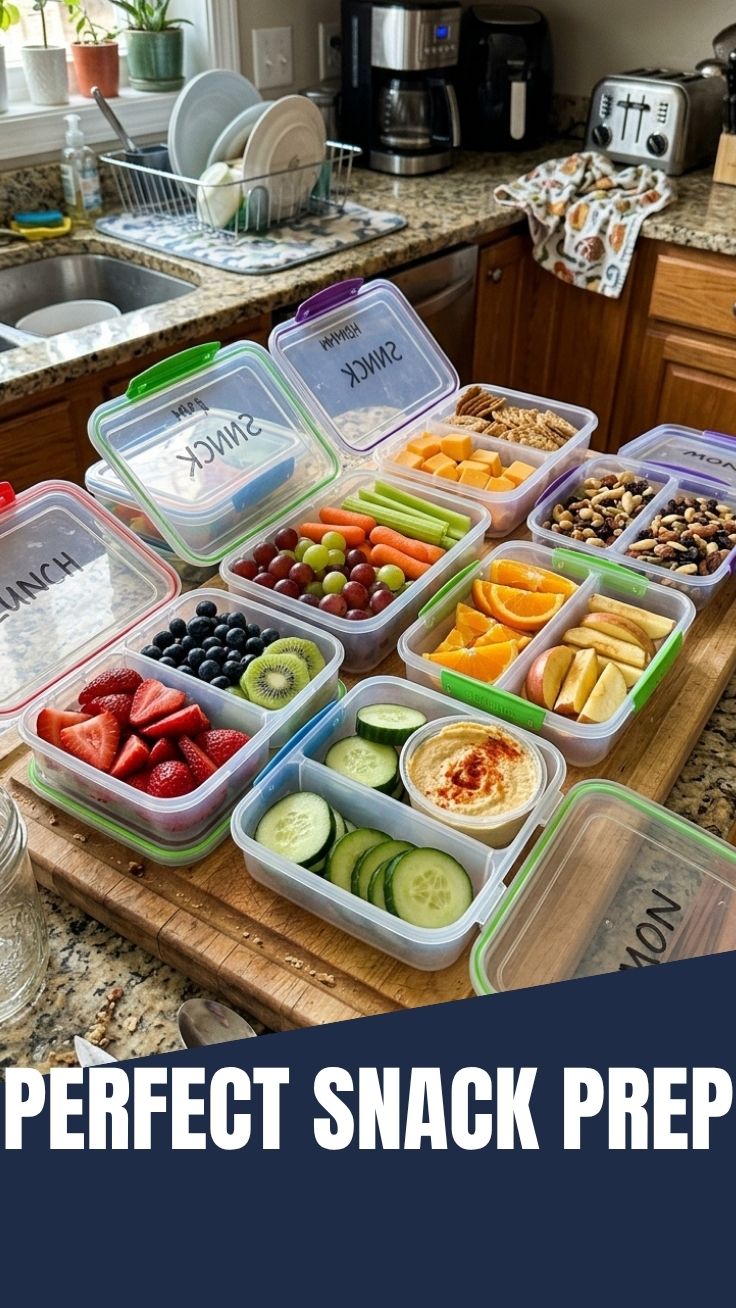
The beauty of dedicated snack prep is efficiency. Most recipes can be prepared in a dedicated batch session, leaving you free for the rest of the week.
- Active Prep Time: 30-45 minutes (per recipe type, e.g., energy bites, muffins)
- Baking/Cooking Time: 15-30 minutes (varies by recipe)
- Cooling/Resting Time: 30-60 minutes (essential for stability and flavor development)
Planning Tip: Dedicate one afternoon or evening a week (e.g., Sunday) to make 2-3 different snack types. This ensures variety and a fresh supply. Consider recipes that bake simultaneously to maximize oven use!
Step-by-Step Instructions
Embarking on School Snack Prep (Healthy) often feels like a culinary marathon, but with a systematic approach, it becomes a fulfilling sprint. Let’s tackle a foundational snack – Energy Bites – as an example, showcasing how easy it is to create delicious and Healthy school snacks.
1. Gather & Measure: Lay out all your chosen ingredients. For energy bites, this often means rolled oats, nut butter, chia seeds, flaxseed meal, honey, and any add-ins like dried fruit or chocolate chips. Accurately measure each component. Precision ensures consistency.
2. Combine Wet Ingredients: In a large mixing bowl, thoroughly combine the wet ingredients first. This would typically include the nut butter, honey (or maple syrup), and any purees like mashed banana or unsweetened applesauce. Whisk until smooth and well-integrated. This helps distribute sweetness and moisture evenly.
3. Incorporate Dry Ingredients: Gradually add your dry ingredients to the wet mixture. For our energy bites, this means the rolled oats, chia seeds, and flaxseed meal. Mix thoroughly with a sturdy spoon or a rubber spatula until everything is well combined and a thick, uniform dough forms. The mixture should be pliable enough to roll but not overly sticky. If it’s too dry, add a small spoonful of water or extra nut butter; if too wet, a little more oats or flaxseed meal.
4. Add Flavor Enhancers/Mix-ins: Now is the time for your optional additions! Fold in shredded coconut, mini chocolate chips, or finely chopped dried fruit. Mix gently to ensure they are evenly distributed without crushing the ingredients.
5. Form the Snacks: For energy bites, scoop out small portions (about 1 tablespoon) and roll them tightly between your palms to form compact balls. For muffins, fill prepared muffin liners, ensuring they are about two-thirds full. For homemade granola bars, press the mixture firmly into a parchment-lined baking pan. The goal is uniformity for even cooking and portion control.
6. Chill or Bake: For no-bake items like energy bites, arrange them on a parchment-lined tray and refrigerate for at least 30 minutes to firm up. For baked goods like muffins or granola bars, follow the specific recipe’s baking temperature and time. Always err on the side of slightly underbaking for a moister texture.
7. Cool Completely: Allow all baked items to cool completely on a wire rack before storing. This prevents condensation and keeps them from becoming soggy. For energy bites, cooling in the fridge is part of the setting process.
Nutritional Benefits & Advantages
Crafting your own School Snack Prep (Healthy) offers unparalleled nutritional advantages. These homemade delights are typically rich in fiber (from oats, whole grains, fruits, and seeds), which supports digestive health and prolonged satiety, meaning fewer hunger pangs between meals. They’re also excellent sources of healthy fats (from nuts, seeds) and protein, crucial for steady energy, brain development, and muscle growth in active children. By controlling sugar content, you reduce the risk of energy crashes and promote stable blood sugar levels, helping kids stay focused in class. Furthermore, you can stealthily incorporate vitamins and minerals from overlooked ingredients like chia seeds (calcium, omega-3s) and flaxseed meal (lignans, fiber).
Tips Variations & Cooking Advice
- Flavor Boosts: Introduce spices like cinnamon, nutmeg, or a hint of ginger for warmth and flavor complexity. Citrus zest (lemon, orange) can brighten up fruit-based snacks.
- Ingredient Swaps:
* Nut-Free: Substitute nut butter with sunbutter (sunflower seed butter) or 100% pureed pumpkin/sweet potato for moisture and binding.
* Gluten-Free: Ensure you use certified gluten-free oats and whole-grain gluten-free flours (almond, oat, buckwheat).
* Dairy-Free: Use plant-based milks, coconut oil, and dairy-free chocolate chips.
* Egg-Free: For baking, use “flax eggs” (1 tbsp ground flaxseed meal + 3 tbsp water, let sit for 5 minutes) or mashed banana/applesauce.
- Alternative Cooking Methods: Many energy bite recipes can be made using a food processor for a quicker, smoother consistency. For muffins or bars, consider using a mini muffin tin for more bite-sized portions.
- Kid Involvement: Let kids help measure ingredients, mash bananas, or roll energy balls. This fosters a sense of ownership and encourages them to eat what they’ve helped create.
- Portion Control: Make smaller, bite-sized portions convenient for lunchboxes and to prevent overeating.
Common Mistakes to Avoid
Over-mixing Flour: For baked goods like muffins, over-mixing develops gluten, leading to tougher, chewier snacks. Mix just* until dry ingredients are incorporated.
- Not Cooling Completely: Putting warm snacks into airtight containers traps steam, making them soggy and prone to spoilage. Always cool completely.
- Too Much Liquid Sweetener: Excessive honey or maple syrup can make certain snacks (like granola bars) too sticky and difficult to set/hold their shape.
- Forgetting to Grease/Line Pans: Even non-stick pans can benefit from a light grease or parchment paper, especially for sticky ingredients.
- Under-baking: While aiming for moistness, under-baked items can be crumbly, difficult to handle, and have a raw flour taste. Ensure a toothpick inserted comes out clean (for cakes/muffins).
Storage & Meal Prep Tips
Proper storage is key to extending the shelf life and maintaining the quality of your homemade snacks.
- Airtight Containers: Always store snacks in airtight containers to prevent them from drying out or absorbing odors from the fridge. Glass containers are excellent for maintaining freshness and are eco-friendly.
- Refrigeration: Most healthy snacks, especially those with fresh fruit, nut butter, or no-bake components, benefit from refrigeration. This includes energy bites, overnight oats, and fruit & veggie muffins. They typically stay fresh for 5-7 days in the fridge.
- Freezing: Many snacks are fantastic for freezing! Muffins, quick breads, granola bars, and energy bites freeze beautifully. Wrap individual portions in plastic wrap or parchment paper before placing them in a freezer-safe bag or container. This prevents freezer burn and makes grabbing a single snack effortless. Frozen snacks can last for up to 2-3 months.
- Thawing: Thaw frozen snacks overnight in the refrigerator or at room temperature for an hour or two. Muffins can also be gently reheated in the microwave for a few seconds.
- Labeling: Always label your containers with the snack name and date of preparation to track freshness.
Conclusion
Mastering School Snack Prep (Healthy) is a game-changer for busy families, offering a delicious, nutritious, and cost-effective alternative to store-bought options. By investing a little time each week, you can ensure your children have access to a variety of wholesome, Healthy school snacks that support their growth, learning, and overall well-being. So, roll up your sleeves, get creative in the kitchen, and empower your family with homemade goodness! We encourage you to try these strategies, experiment with flavors, and share your snack-prep triumphs with us!
FAQs
Q1: How can I make these snacks appeal to picky eaters?
A1: Involve them in the process! Let them choose ingredients, help mix, or decorate. You can also hide vegetables like grated zucchini or carrots in muffins, as their flavor won’t be dominant.
Q2: What are some good allergen-friendly substitutions?
A2: For nut allergies, use sunflower seed butter. For dairy, choose plant-based milks and oils. For gluten, opt for certified gluten-free oats and flours. For eggs, flax eggs or mashed banana can often work as binders.
Q3: Can I cut down on the sugar in these recipes?
A3: Absolutely! Many recipes can have their natural sweeteners reduced by 25-50% without compromising taste or texture. You can also rely more on dried fruits for sweetness or naturally sweet purees like applesauce or banana.
Q4: How do I prevent my homemade granola bars from crumbling apart?
A4: The key is a good binder (nut butter, honey/maple syrup) and really pressing the mixture firmly into the pan before chilling. Baking helps too, as it sets the ingredients. Ensure adequate chilling time.
Q5: What are the best methods for transporting these snacks to school?
A5: Use bento boxes with compartments, small reusable containers, or silicone snack bags. For items that need to stay cool, include an ice pack in the lunchbox.