Unveiling the Ultimate Creamy Scalloped Potatoes: A Culinary Journey from Scratch
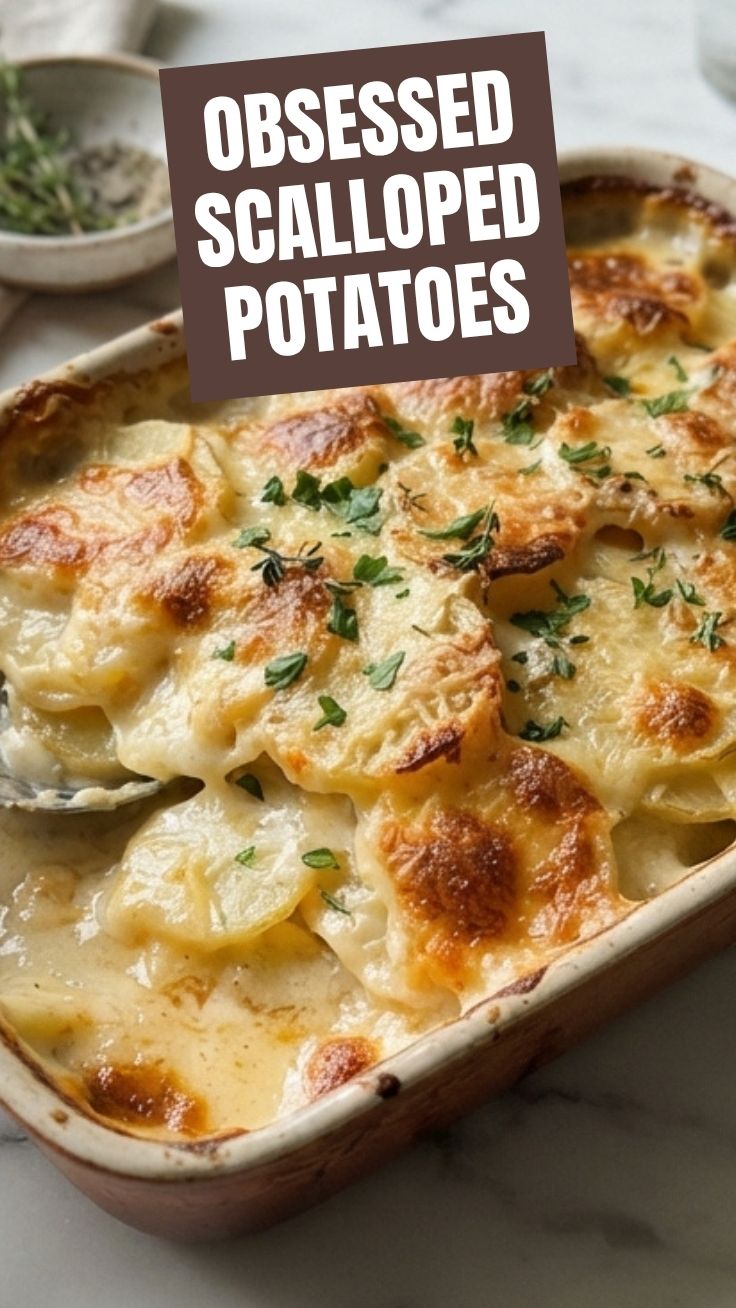
Have you ever craved that quintessential comfort food – layers of tender potatoes swimming in a rich, velvety sauce, baked to golden perfection? There’s something undeniably magical about homemade Scalloped Potatoes, a dish that instantly elevates any meal from ordinary to extraordinary. Forget those bland, pre-made versions; mastering this classic at home is incredibly rewarding, allowing you to control every aspect, from the sharpness of the cheese to the creaminess of the sauce. Today, we’re diving deep into crafting the perfect Creamy Scalloped Potatoes, a dish often interchangeably referred to as Potato Gratin due to their similar, yet distinct, cheesy, baked potato glory. Get ready to impress your family and friends with this timeless side dish that promises warmth and satisfaction in every bite.
Ingredients & Kitchen Tools
Crafting the perfect Creamy Scalloped Potatoes requires a few key ingredients and some basic kitchen equipment.
- Potatoes (3 lbs): Russet or Yukon Gold work best due to their starch content, which helps thicken the sauce.
- Heavy Cream (2 cups): The base for our luxurious, creamy sauce.
- Milk (1 cup): Whole milk is preferred for added richness, but 2% can be used.
- Garlic (3-4 cloves): Minced, for aromatic depth.
- Butter (4 tbsp): Unsalted, for sautéing and enriching the sauce.
- All-Purpose Flour (4 tbsp): To create a roux, thickening the sauce.
- Gruyere Cheese (1 cup): Grated, for its nutty, savory flavor and excellent melting properties. Cheddar or Parmesan are good substitutes.
- Nutmeg (1/4 tsp): Freshly grated, for a subtle warmth that complements the cheese and potatoes.
- Salt (1.5 tsp): To taste, essential for seasoning.
- Black Pepper (1/2 tsp): Freshly ground, for a little kick.
- Bay Leaf (1): Optional, for infusing the cream with a subtle herb note.
Kitchen Tools:
- Mandoline slicer or sharp knife: For uniformly thin potato slices (crucial for even cooking).
- 9×13 inch baking dish: Ceramic or glass is ideal for even heat distribution.
- Large saucepan: For making the cream sauce.
- Whisk: For smoothing out the roux.
- Grater: For the cheese.
Prep Time & Cooking Schedule
- Prep Time: 25-30 minutes (mostly slicing potatoes)
- Cook Time: 60-75 minutes
- Resting Time: 10-15 minutes (allowing the dish to set and flavors to meld)
Plan to start this dish about 2 hours before you intend to serve it, allowing ample time for baking and a crucial resting period. The resting time is vital for the layers to firm up, preventing a watery, messy presentation.
Step-by-Step Instructions
Let’s get cooking! Follow these detailed steps for a flawless batch of Creamy Scalloped Potatoes. Pay attention to the details, and you’ll achieve culinary perfection.
1. Preheat & Prep Potatoes: Preheat your oven to 375°F (190°C). Peel the potatoes and slice them very thinly, about 1/8 inch thick. A mandoline slicer is highly recommended for consistent results, ensuring even cooking.
2. Make the Cream Sauce: In a large saucepan, melt the butter over medium heat. Add the minced garlic and sauté for 1 minute until fragrant. Whisk in the flour and cook for another 1-2 minutes, stirring constantly, to create a roux. Gradually whisk in the heavy cream and milk, making sure there are no lumps. Add the bay leaf (if using), nutmeg, salt, and pepper. Bring to a gentle simmer, stirring frequently, until the sauce thickens slightly (about 5-7 minutes). Remove from heat and discard the bay leaf.
3. Layer the Dish: Lightly butter your 9×13 inch baking dish. Arrange a single layer of potato slices on the bottom of the dish, overlapping slightly. Pour about one-third of the cream sauce over the potatoes, ensuring even coverage. Sprinkle with about one-third of the grated Gruyere cheese. Repeat this layering process two more times, ending with a generous layer of sauce and cheese on top. This meticulous layering is key to a rich and satisfying Potato Gratin.
4. Bake to Perfection: Cover the baking dish tightly with aluminum foil. Bake for 40-50 minutes, or until the potatoes are tender when pierced with a fork. Remove the foil and bake for an additional 20-25 minutes, or until the top is golden brown and bubbly.
5. Rest & Serve: Let the Potato Gratin rest for 10-15 minutes before serving. This allows the sauce to set and prevents the dish from falling apart.
Nutritional Benefits & Advantages
Beyond its incredible taste, this dish offers several nutritional perks. Potatoes, a primary ingredient, are an excellent source of Vitamin C, Vitamin B6, potassium, and fiber (especially if you leave some skin on, though for this recipe, peeling is traditional). Dairy products provide calcium and protein, essential for bone health and muscle repair. While it’s a richer dish, preparing it at home allows you to use high-quality ingredients and control portion sizes, ensuring a more wholesome experience than many store-bought alternatives.
Tips, Variations & Cooking Advice
- Spice It Up: Add a pinch of cayenne pepper or a dash of hot sauce to the cream sauce for a subtle kick.
- Herbaceous Notes: Incorporate fresh thyme or rosemary sprigs into the cream sauce for an aromatic twist.
- Cheese Blends: Experiment with different cheese combinations. A mix of sharp cheddar and Monterey Jack creates a delightful melty texture, or a touch of Parmesan adds an umami depth.
- Dairy-Free Option: For a dairy-free version, use full-fat coconut milk or a high-quality unsweetened plant-based cream, and a dairy-free cheese alternative. A flour-based roux is still effective for thickening.
- Add-ins: Cooked bacon bits, caramelized onions, or sautéed mushrooms can be layered between the potato slices for extra flavor and texture.
Common Mistakes to Avoid
- Uneven Potato Slices: This is the most common pitfall. Inconsistent thickness leads to some potatoes being undercooked and others mushy. A mandoline is your best friend here.
- Under-seasoning: Don’t be shy with salt and pepper! Potatoes absorb a lot of seasoning. Taste your cream sauce before layering.
- Over-baking: While a golden top is desirable, over-baking can dry out the dish. Keep an eye on it, especially after removing the foil.
- Not Resting: Skipping the resting period will result in a messy, soupy dish when you cut into it. Patience is a virtue here.
Storage & Meal Prep Tips
Leftover Scalloped Potatoes store beautifully. Cover tightly with plastic wrap or transfer to an airtight container and refrigerate for up to 3-4 days. To reheat, microwave individual portions or place the entire dish (covered with foil) in a 300°F (150°C) oven until heated through. Freezing is possible, but the texture of the potatoes can become slightly mealy upon thawing and reheating. If freezing, portion into freezer-safe containers and thaw overnight in the refrigerator before reheating.
Conclusion
There you have it – the ultimate guide to creating a truly unforgettable batch of creamy, dreamy Scalloped Potatoes. This dish, whether you call it a classic Creamy Scalloped Potatoes or a luxurious Potato Gratin, is a testament to simple ingredients coming together to create something profoundly satisfying. It’s more than just a side; it’s a comforting centerpiece that brings people together. We encourage you to try this recipe, experiment with the variations, and share your culinary triumphs with us. Happy cooking!
FAQs
Q1: Can I prepare the potatoes and sauce in advance?
A1: You can slice the potatoes and store them in cold water in the refrigerator for up to a day. The cream sauce can also be made a day ahead and refrigerated; gently reheat before assembling.
Q2: My potatoes aren’t softening. What went wrong?
A2: This usually means your potato slices are too thick or your oven temperature isn’t accurate. Ensure thin, uniform slices and check your oven’s calibration. Covering the dish tightly for the initial bake is also crucial for steaming the potatoes.
Q3: Can I use different types of cheese?
A3: Absolutely! While Gruyere offers a unique nutty flavor, sharp cheddar, Parmesan, or even a blend of cheeses work wonderfully. Choose cheeses that melt well and complement the creamy sauce.
Q4: How do I prevent the sauce from curdling?
A4: Gradual addition of liquids to the roux, constant whisking, and avoiding boiling the cream sauce too vigorously will help prevent curdling. Ensuring the cream and milk are at room temperature can also help.
Q5: Is this dish freezer-friendly?
A5: While you can freeze it, the texture of the potatoes may change, becoming slightly softer or mealier upon thawing. For best results, it’s ideal to enjoy it fresh or after refrigeration.