Unlock the Secret to the Perfect Rustic Peach Galette
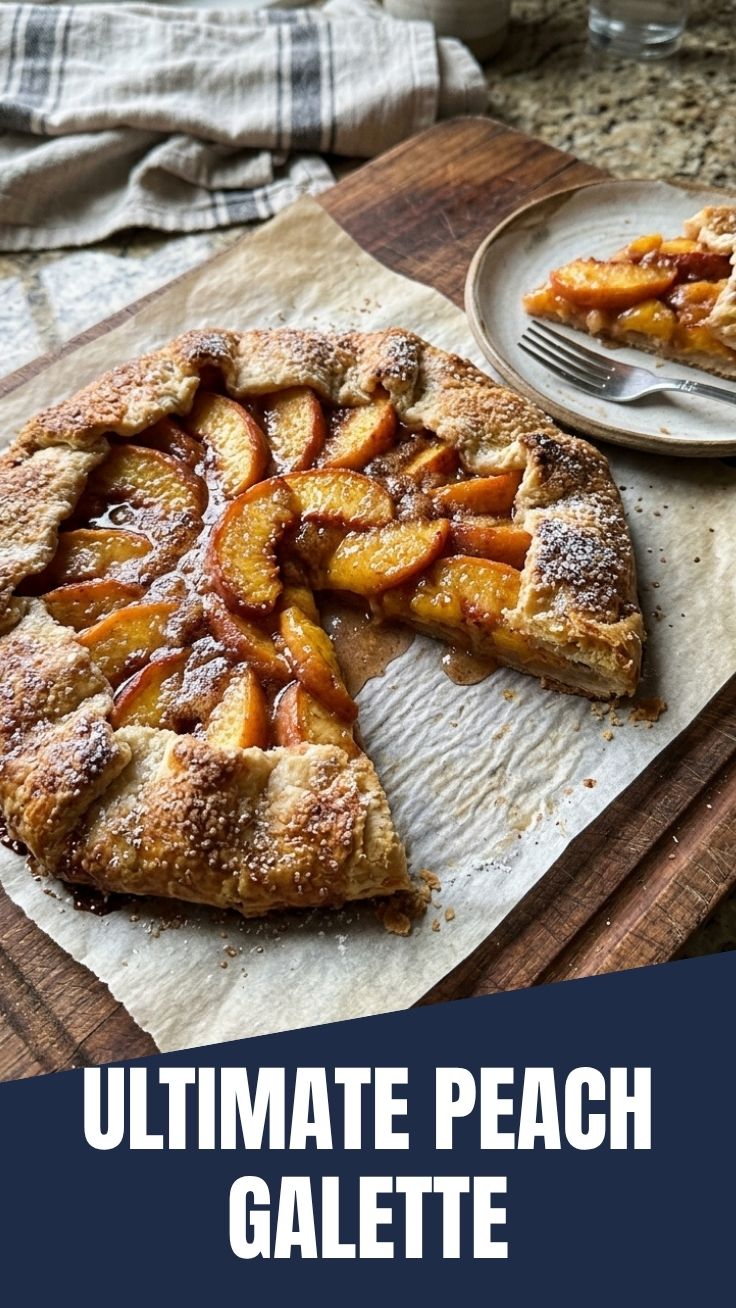
Ever wondered what makes a homemade dessert truly special? It’s the delightful blend of fresh ingredients, simple techniques, and a touch of rustic charm. Today, we’re diving into the world of Peach Galette (Rustic), a dessert that embodies summer joy and effortless elegance. Forget complicated crusts and elaborate presentations; this galette celebrates the natural beauty of peaches nestled in a flaky, free-form pastry. Preparing this exquisite Summer fruit pastry at home isn’t just about crafting a delicious treat; it’s about savoring the process, filling your kitchen with an intoxicating aroma, and creating memories with every golden slice. Get ready to impress your taste buds and your guests with this surprisingly simple yet utterly sophisticated dessert.
Ingredients & Kitchen Tools
To embark on your galette-making journey, gather these essentials:
Fresh Peaches (4-5 medium): Look for ripe but firm peaches. They should yield slightly when pressed. Substitution: Nectarines, plums, or a mix of stone fruits.*
All-Purpose Flour (1 ½ cups + 2 tbsp for dusting): The backbone of your flaky crust. Substitution: Gluten-free all-purpose flour blend for a GF option.*
- Unsalted Butter (1 stick, 8 tbsp), very cold and cut into cubes: Crucial for a tender, flaky pastry. Cold butter prevents it from melting too quickly.
Granulated Sugar (½ cup + 2 tbsp for sprinkling): Sweetens both the filling and the crust. Substitution: Brown sugar for a deeper molasses flavor.*
Cornstarch (1 tbsp): Thickens the peach juices, preventing a soggy crust. Substitution: Arrowroot powder.*
- Lemon Juice (1 tbsp): Brightens the peach flavor and prevents browning.
- Salt (¼ tsp + pinch for dough): Enhances all the flavors.
- Ice Water (¼ – ½ cup): Binds the dough without overworking it.
- Egg (1, beaten): For an egg wash, giving the crust a golden shine.
- Vanilla Extract (1 tsp, optional): Adds a warm, aromatic note to the peaches.
- Rolling Pin: For rolling out the dough.
- Large Baking Sheet: The canvas for your galette.
- Parchment Paper: Prevents sticking and makes cleanup easy.
- Pastry Brush: For applying the egg wash.
- Large Mixing Bowl: For combining dough ingredients.
- Small Bowl: For the peach filling.
- Sharp Knife & Cutting Board: For slicing peaches.
Prep Time & Cooking Schedule
- Prep Time: 25 minutes
- Chill Time (Dough): 30 minutes (minimum) to 1 hour
- Cook Time: 40-50 minutes
Plan ahead for the dough chilling time, which is essential for a tender crust. You can even make the dough a day in advance and store it in the refrigerator, wrapped tightly. This makes assembling the galette quick and easy on the day you plan to bake.
Step-by-Step Instructions
1. Prepare the Dough: In a large bowl, whisk together 1 ½ cups flour, a pinch of salt, and ¼ cup granulated sugar. Add the cold, cubed butter. Using your fingertips or a pastry blender, cut the butter into the flour mixture until it resembles coarse crumbs with some pea-sized pieces of butter remaining. Gradually add ice water, one tablespoon at a time, mixing lightly until the dough just comes together. Be careful not to overwork the dough. Form into a disk, wrap in plastic, and chill for at least 30 minutes.
2. Prepare the Peach Filling: While the dough chills, wash, peel (optional, but recommended for better texture), and slice your peaches into ½-inch wedges. In a medium bowl, combine the sliced peaches with ½ cup granulated sugar, cornstarch, lemon juice, and vanilla extract (if using). Gently toss to coat the peaches evenly. This mixture will become the star of your Peach Galette (Rustic).
3. Assemble the Galette: Preheat your oven to 400°F (200°C). Line a baking sheet with parchment paper. On a lightly floured surface, roll out the chilled dough into a rough 12-14 inch circle (it doesn’t have to be perfect, embrace the rustic look!). Carefully transfer the dough to the prepared baking sheet.
4. Fill and Fold: Arrange the peach filling in the center of the dough, leaving a 1 ½ to 2-inch border all around. Gently fold the edges of the dough over the peaches, pleating it as you go to create a free-form, rustic crust.
5. Egg Wash & Bake: In a small bowl, whisk the beaten egg with a tablespoon of water to create an egg wash. Brush the folded crust with the egg wash and sprinkle the remaining 2 tablespoons of sugar over the crust and peaches. This adds a beautiful golden sheen and extra crunch, defining this delightful Summer fruit pastry.
6. Bake: Bake for 40-50 minutes, or until the crust is golden brown and the peach filling is bubbly and tender. If the crust browns too quickly, you can loosely tent it with foil.
7. Cool: Let the galette cool on the baking sheet for at least 15-20 minutes before slicing and serving. This allows the filling to set properly.
Nutritional Benefits & Advantages
Peaches are a powerhouse of nutrients, offering a good source of Vitamin C (an antioxidant that supports immune health) and Vitamin A (beneficial for vision). They also provide dietary fiber, aiding in digestion and promoting a feeling of fullness. This galette, when made with fresh, ripe peaches, capitalizes on these natural health benefits. While it’s a dessert, the minimal processing of the fruit retains much of its nutritional integrity. Opting for less sugar in the filling can further enhance its health profile.
Tips Variations & Cooking Advice
- Spice It Up: Add a pinch of cinnamon, nutmeg, or cardamom to the peach filling for extra warmth.
- Crust Variations: For a richer flavor, swap out some of the all-purpose flour for whole wheat pastry flour.
- Savory Galette: This dough recipe can be adapted for a savory galette! Fill with roasted vegetables and cheese.
- Portion Control: Make smaller individual galettes by dividing the dough into four equal pieces and rolling each into a small circle.
- Gluten-Free: As mentioned, use a 1:1 gluten-free all-purpose flour blend for the dough. Ensure all other ingredients are naturally GF.
- Serve Warm: While delicious at room temperature, a warm slice of galette with a scoop of vanilla ice cream or a dollop of crème fraîche is pure bliss.
Common Mistakes to Avoid
- Overworking the Dough: This leads to a tough, unappetizing crust. Handle the dough as little as possible.
- Warm Butter: If your butter isn’t cold, it will melt into the flour too quickly, resulting in a dense, chewy crust instead of a flaky one.
- Not Chilling the Dough: Chilling allows the gluten to relax and the butter to firm up, both vital for a tender, flaky texture.
- Overfilling: Too many peaches can lead to a soggy bottom crust. Stick to the recommended amount.
- Slicing Too Soon: The filling needs time to set as it cools. Patience is key!
Storage & Meal Prep Tips
Leftover galette can be stored at room temperature, loosely covered, for up to 2 days. For longer storage, refrigerate it in an airtight container for up to 4 days. While it’s best enjoyed fresh, you can gently reheat individual slices in a toaster oven or standard oven at 300°F (150°C) for 10-15 minutes until warmed through. Freezing is not recommended for an assembled galette due to potential changes in crust texture upon thawing. You can, however, prepare the dough in advance and freeze it for up to a month. Thaw in the refrigerator overnight before rolling out.
Conclusion
Crafting a homemade Peach Galette (Rustic) is an incredibly rewarding experience. Its charm lies in its simplicity and the ability to highlight the natural sweetness of summer’s bounty. This delightful Summer fruit pastry proves that you don’t need expert baking skills to create something truly extraordinary and memorable. We encourage you to try this recipe, experiment with your favorite seasonal fruits, and embrace the joy of baking from scratch. Share your beautiful creations with us, and let’s celebrate the art of rustic baking together!
FAQs
1. Can I use frozen peaches?
Yes, but thaw them first and drain any excess liquid thoroughly to prevent a watery filling. You might also want to increase the cornstarch by ½ teaspoon.
2. How do I prevent a soggy bottom crust?
Ensure your peaches are not overly wet, drain any excess liquid from the filling mixture, and don’t overfill the galette. A layer of breadcrumbs or crushed graham crackers on the bottom of the crust (before adding fruit) can also act as a moisture barrier.
3. What if my dough is too sticky?
Add a tiny bit more flour, a tablespoon at a time, until it’s workable. Remember, it’s better to be slightly sticky than too dry. Ensure your counter is well-floured when rolling.
4. Can I make this dairy-free?
Yes, substitute the unsalted butter with a high-quality, cold, dairy-free butter alternative in the dough.
5. How do I know when the galette is fully cooked?
The crust should be deeply golden brown, and the fruit filling should be bubbling at the center. If you press gently on the fruit, it should yield easily.