From Garden to Plate: Unleashing the Vibrant Flavors of Homemade Pasta Primavera
Ever wonder how to transform a simple weeknight meal into a celebration of fresh, seasonal produce? The answer lies in mastering the art of Pasta Primavera. This classic dish, bursting with colorful vegetables and delicate pasta, isn’t just about sustenance; it’s about embracing the vibrancy of the season and bringing an unparalleled freshness to your table. Preparing a delicious Pasta Primavera at home offers a personalized touch you won’t find in any restaurant. You control the quality of ingredients, the seasoning, and the perfect al dente bite. Moreover, making your own Primavera pasta recipe allows for endless customization, catering to various palates and dietary preferences. Get ready to dive into a culinary journey that promises both simplicity and gourmet appeal.
Ingredients & Kitchen Tools
To embark on this delightful culinary adventure, gather the following:
- 1 lb. Farfalle or Penne Pasta: (bow-tie or tube-shaped pasta) – Offers a great surface area for sauces.
- 2 tbsp. Olive Oil: (extra virgin, high quality) – For sautéing and adding rich flavor.
- 1 medium Onion: (finely chopped) – Forms the aromatic base.
- 2 cloves Garlic: (minced) – Essential for depth of flavor.
- 1 cup Cherry Tomatoes: (halved) – Provides a sweet, juicy burst.
- 1 cup Asparagus Spears: (trimmed and cut into 1-inch pieces) – Adds a crisp, earthy note.
- 1 cup Zucchini: (diced) – Mild and tender, absorbs flavors well.
- 1 cup Bell Peppers: (red and/or yellow, thinly sliced) – For color and a sweet crunch.
- 1/2 cup Frozen Peas: (thawed) – Sweet and vibrant, quick to cook.
- 1/2 cup Vegetable Broth: (low sodium) – To deglaze and create a light sauce.
- 1/4 cup Fresh Parmesan Cheese: (grated, plus more for serving) – Adds salty, umami richness.
- 2 tbsp. Fresh Parsley: (chopped) – For garnish and fresh herbaceousness.
- Salt and Black Pepper: (to taste) – The fundamental seasonings.
Kitchen Tools:
- Large Pot: For boiling pasta.
- Large Skillet or Dutch Oven: For sautéing vegetables and combining the dish.
- Cutting Board & Chef’s Knife: For all your chopping needs.
- Colander: For draining pasta.
- Measuring Cups & Spoons: For precise ingredient amounts.
Prep Time & Cooking Schedule
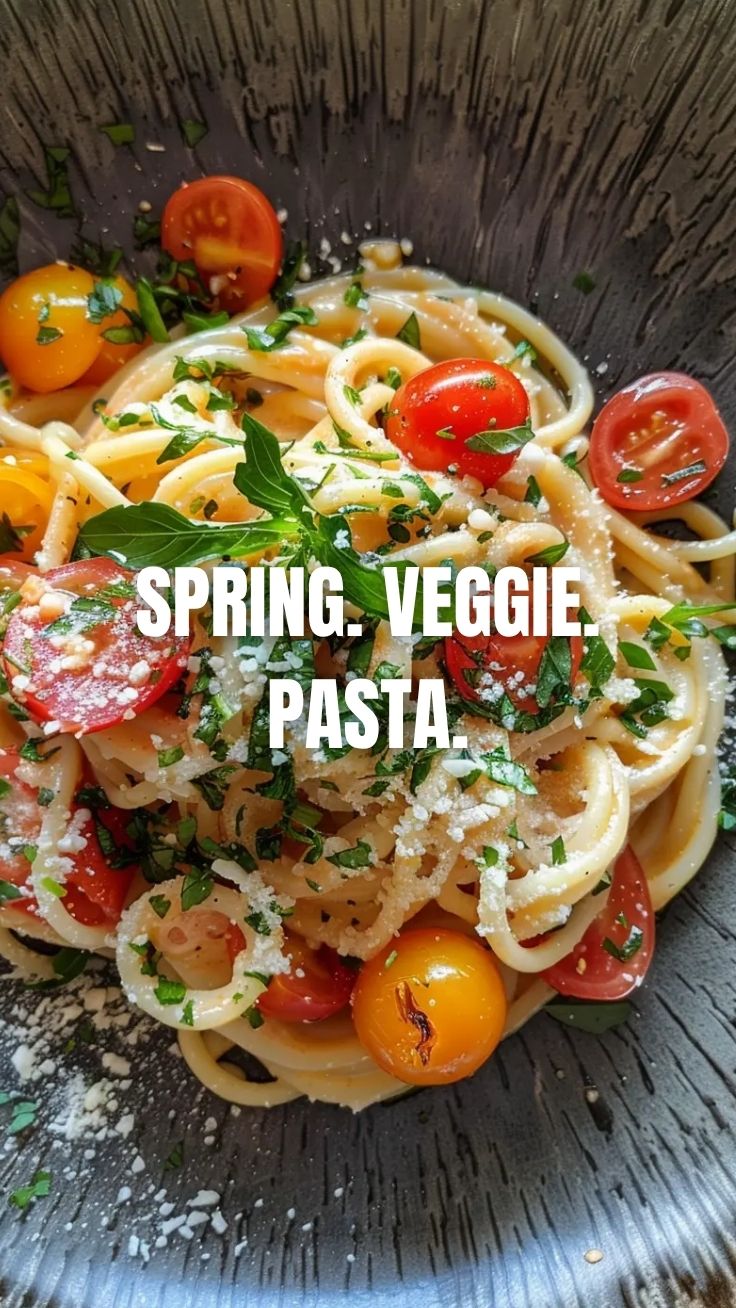
Achieving a perfectly cooked Pasta Primavera involves efficient timing.
- Prep Time: 20 minutes (for chopping vegetables)
- Cook Time: 25-30 minutes (including pasta boiling and vegetable sautéing)
- Total Time: Approximately 45-50 minutes
This recipe is designed to be a quick weeknight meal, so coordinating your pasta cooking with your vegetable sautéing is key. Start your water for pasta first, then begin chopping your vegetables.
Step-by-Step Instructions
1. Cook the Pasta: Bring a large pot of salted water to a rolling boil. Add the pasta and cook according to package directions until al dente. Reserve 1/2 cup of pasta water before draining.
2. Sauté Aromatics: While the pasta cooks, heat olive oil in a large skillet over medium heat. Add chopped onion and sauté for 3-5 minutes until softened and translucent. Add minced garlic and cook for another minute until fragrant, being careful not to burn it.
3. Add Harder Vegetables: Introduce the asparagus and bell peppers to the skillet. Sauté for 5-7 minutes, stirring occasionally, until they start to become tender-crisp.
4. Incorporate Softer Vegetables: Add the diced zucchini and halved cherry tomatoes. Continue to cook for another 3-4 minutes until the zucchini is tender but still has a slight bite, and the tomatoes begin to soften. Stir in the thawed frozen peas.
5. Deglaze and Create Sauce: Pour in the vegetable broth and bring to a simmer. Let it reduce slightly, about 2-3 minutes. This forms a light, flavorful sauce for your Pasta Primavera.
6. Combine and Season: Add the drained pasta to the skillet with the vegetables. Toss everything together to coat the pasta evenly with the sauce. If the mixture seems too dry, add a splash of the reserved pasta water. Stir in the grated Parmesan cheese and chopped fresh parsley. Season generously with salt and black pepper to taste.
7. Serve Immediately: Transfer the vibrant Primavera pasta recipe to individual bowls and garnish with extra Parmesan and a sprinkle of fresh parsley.
Nutritional Benefits & Advantages
This Pasta Primavera is a veritable powerhouse of nutrition. It’s packed with an array of vitamins, minerals, and antioxidants from the diverse range of vegetables. Asparagus provides folate and Vitamin K, bell peppers are rich in Vitamin C, and zucchini offers a good source of Vitamin A. The inclusion of olive oil contributes healthy monounsaturated fats. This dish is naturally high in fiber, aiding digestion and promoting satiety. Opting for whole wheat pasta can further boost fiber content, making it a heart-healthy and satisfying meal.
Tips, Variations & Cooking Advice
- Spice It Up: Add a pinch of red pepper flakes with the garlic for a subtle kick.
- Protein Boost: Incorporate grilled chicken, shrimp, or chickpeas for added protein.
- Herbal Alchemy: Experiment with other fresh herbs like basil, oregano, or thyme.
- Creamy Twist: For a richer sauce, whisk in a tablespoon of cream cheese or a splash of heavy cream at the end.
- Seasonal Swaps: The beauty of primavera is its versatility. Feel free to use other seasonal vegetables like broccoli florets, snap peas, spinach, or mushrooms.
- Gluten-Free: Substitute regular pasta with your favorite gluten-free variety.
- Vegan Option: Omit the Parmesan cheese or use a dairy-free alternative, and ensure your vegetable broth is vegan-friendly.
Common Mistakes to Avoid
- Overcooking Pasta: Soggy pasta is a no-go. Always cook it al dente for the best texture.
- Under-seasoning: Vegetables need a good amount of salt and pepper to truly shine. Taste as you go!
- Overcrowding the Pan: Don’t overload your skillet. Cook vegetables in batches if necessary to ensure they sauté rather than steam, preserving their texture and flavor.
- Burning Garlic: Garlic cooks quickly. Add it towards the end of the aromatic sauté and keep a close eye on it.
- Too Much Sauce: Pasta Primavera sauce is meant to be light. Don’t drown your vegetables and pasta; let their natural flavors be the star.
Storage & Meal Prep Tips
Leftover Pasta Primavera can be a delightful lunch the next day. Store it in an airtight container in the refrigerator for up to 3-4 days. To reheat, gently warm it in a skillet over medium-low heat, adding a splash of vegetable broth or water to rehydrate the sauce and prevent drying. We don’t recommend freezing this dish, as the vegetables tend to lose their crispness and become watery upon thawing. For meal prep, you can chop all your vegetables ahead of time and store them in separate containers in the fridge, making assembly on cooking day even faster.
Conclusion
Embrace the joy of fresh, seasonal eating with this vibrant Pasta Primavera. It’s a testament to how simple, quality ingredients can come together to create a truly spectacular meal. We hope this comprehensive guide inspires you to whip up your own batch of this delightful Primavera pasta recipe and experience the satisfaction of cooking from scratch. Share your culinary creations with us in the comments below, or tell us your favorite vegetable combinations for a personalized touch!
FAQs
Q: Can I use fresh tomatoes instead of cherry tomatoes?
A: Absolutely! Dice a larger fresh tomato and add it at the same stage as the cherry tomatoes.
Q: What if I don’t have vegetable broth?
A: You can substitute with a splash of white wine (cook off the alcohol) or even just a little more reserved pasta water to deglaze.
Q: How can I prevent the vegetables from becoming mushy?
A: Cook them in stages, starting with harder vegetables and adding softer ones later. Don’t overcrowd the pan, and keep an eye on cooking times.
Q: Can I add a creamy element without using dairy?
A: Yes, a small amount of cashew cream or even pureed white beans can add a lovely creamy texture without dairy.
Q: Is this recipe good for kids?
A: Definitely! The colorful vegetables and mild flavors are often a hit with children. You can cut the vegetables into smaller, fun shapes to make it even more appealing.