Zucchini Noodle Magic: Your Guide to Deliciously Healthy Zucchini Noodle Recipes
Tired of dinner dilemmas that leave you feeling heavy and uninspired? What if we told you there’s a vibrant, versatile ingredient that can revolutionize your meals, offering both incredible flavor and a boost of nutrition? Discover the world of low calorie zucchini noodle recipes – your secret weapon for light, satisfying, and utterly delicious dishes. Preparing meals with fresh, wholesome ingredients at home offers unparalleled control over what goes into your body, and mastering the art of the zucchini noodle pasta substitute is a fantastic place to start. This blog post will guide you through crafting a truly exceptional zucchini noodle dish, making healthy eating both easy and enjoyable.
Ingredients & Kitchen Tools
Here’s what you’ll need to create your culinary masterpiece:
- 2 medium zucchini: Opt for firm, unblemished zucchini. These will form the foundation of your “noodles.”
- 1 tbsp olive oil: Extra virgin for flavor, or a lighter oil for simply sautéing.
- 2 cloves garlic, minced: Freshly minced garlic provides the best aroma and taste.
- 1/2 cup cherry tomatoes, halved: Adds a burst of sweetness and color.
- 1/4 cup fresh basil, chopped: Essential for a vibrant, aromatic finish.
- 2 tbsp grated Parmesan cheese (optional): For a salty, umami kick.
- Salt and freshly ground black pepper to taste: Seasoning is key to bringing out flavors.
- Spiralizer: The most efficient way to create uniform zucchini noodles. A julienne peeler can also work, but takes more effort.
- Large skillet or sauté pan: For cooking the noodles and sauce.
- Tongs: Useful for tossing and serving.
- Cutting board and knife: For prepping other ingredients.
Prep Time & Cooking Schedule
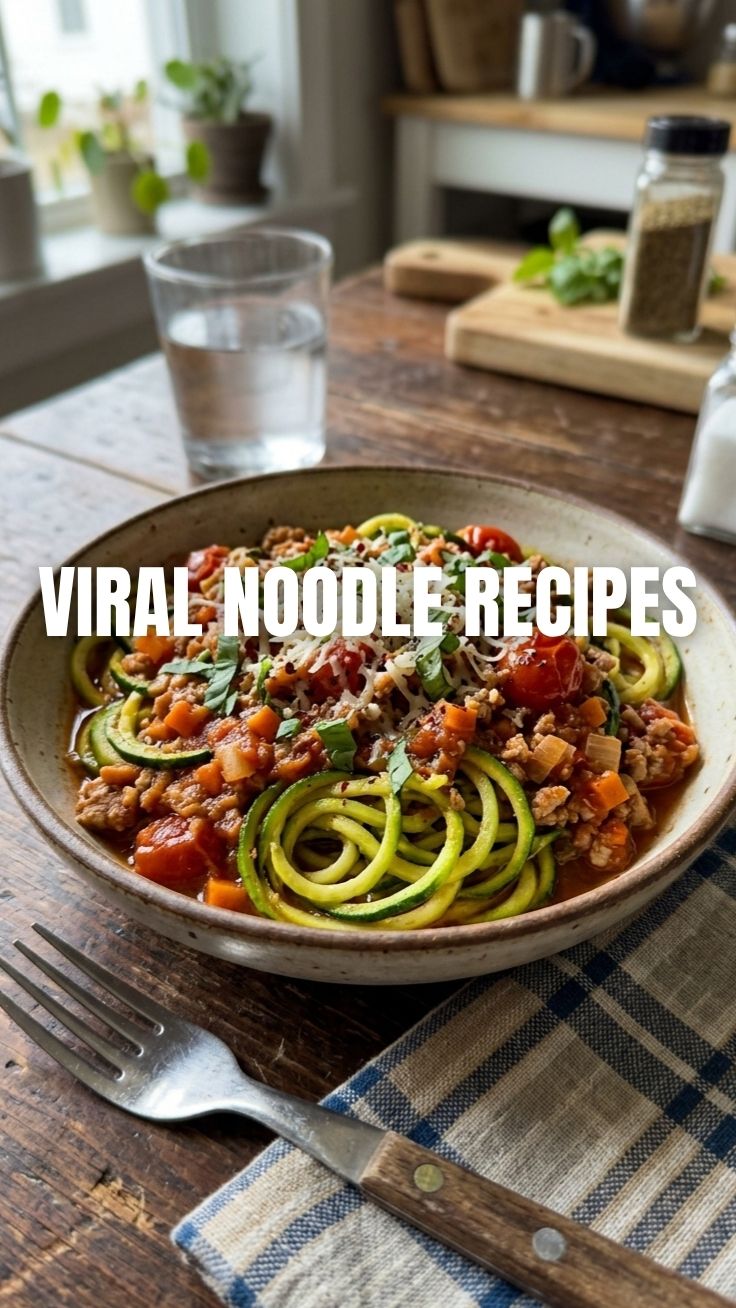
- Prep Time: 15 minutes (this includes spiralizing the zucchini)
- Cook Time: 7-10 minutes
- Resting Time: None required. This recipe is best enjoyed fresh!
- Total Time: Approximately 25 minutes
This quick turnaround makes it an ideal weeknight dinner. You can even spiralize the zucchini an hour or two ahead of time and store it in an airtight container in the fridge to expedite cooking further.
Step-by-Step Instructions
Ready to transform those zucchinis? Follow these steps for a perfect dish:
1. Prepare the Zucchini: Wash your zucchini thoroughly. Using your spiralizer, create long, even “noodles.” If using a julienne peeler, aim for thin, consistent strips. Once spiralized, you can gently pat them dry with a paper towel to remove excess moisture – this prevents a watery dish. This simple preparation is what makes low calorie zucchini noodle recipes so accessible.
2. Sauté Aromatics: Heat the olive oil in a large skillet over medium heat. Add the minced garlic and sauté for about 30 seconds until fragrant, being careful not to burn it. Burnt garlic can impart a bitter taste.
3. Add Tomatoes: Toss in the halved cherry tomatoes and continue to sauté for 2-3 minutes until they start to soften slightly and release some of their juices.
4. Cook the Zucchini Noodles: Add the spiralized zucchini to the skillet. Using tongs, toss continuously for 3-5 minutes. The key here is not to overcook them; they should be al dente – tender but still with a slight bite. They will release some water, which is normal. Overcooking makes them mushy. This quick cooking time is why zucchini is such a fantastic zucchini noodle pasta substitute.
5. Season and Finish: Remove the skillet from the heat. Stir in the fresh chopped basil, grated Parmesan cheese (if using), salt, and black pepper to taste. Toss everything gently to ensure the flavors are well distributed. Serve immediately.
Nutritional Benefits & Advantages
Zucchini noodles are a nutritional powerhouse! They are incredibly low in calories and carbohydrates, making them an excellent choice for anyone looking to reduce their carb intake or manage weight. Zucchini is rich in Vitamin C, an antioxidant that supports immune health, and contains a good amount of Vitamin B6, which aids in metabolism. It’s also a source of manganese and potassium, important for bone health and blood pressure regulation. By replacing traditional pasta, you significantly increase your vegetable intake without sacrificing the satisfying feel of a noodle dish.
Tips, Variations & Cooking Advice
- Flavor Variations:
* Pesto Zoodles: Toss with your favorite pesto for a vibrant, herbaceous flavor.
* Asian-Inspired: Add a splash of soy sauce, sesame oil, and a sprinkle of sesame seeds.
* Spicy Kick: A pinch of red pepper flakes with the garlic adds a metabolism-boosting heat.
- Ingredient Swaps:
* Protein Boost: Add grilled chicken, shrimp, or chickpeas for a more complete meal.
* Other Vegetables: Sautéed mushrooms, bell peppers, or spinach can complement the zucchini beautifully.
- Alternative Cooking Methods: While sautéing is quick, you can also blanch zucchini noodles for 30 seconds in boiling water or even enjoy them raw in a cold salad.
- Dietary Adaptations: This recipe is naturally gluten-free. For a dairy-free version, simply omit the Parmesan cheese.
Common Mistakes to Avoid
- Overcooking: This is the most common mistake. Overcooked zucchini noodles become watery and mushy. Always aim for al dente.
- Not Drying Zucchini: Excess moisture from the zucchini can dilute your sauce and make the dish watery. Patting them dry beforehand helps.
- Using Too Much Sauce: Zucchini noodles absorb less sauce than traditional pasta. Start with less and add more if needed.
- Improper Spiralizing: Ensure your zucchini are roughly the same size for even spiralizing. Smaller ends or very curved zucchini can be difficult to noodle.
Storage & Meal Prep Tips
Zucchini noodles are best enjoyed fresh. However, if you have leftovers, store them in an airtight container in the refrigerator for up to 2-3 days. Be aware that they will release more water upon storage and reheating, so the texture might be softer. To reheat, gently warm in a skillet for a few minutes, avoiding high heat which can dry them out. They do not freeze well due to their high water content. For meal prep, you can spiralize the zucchini ahead of time and store it separately, then cook fresh when ready to eat.
Conclusion
Embracing the versatility of zucchini in your kitchen opens up a world of healthy, delicious possibilities. These delightful low calorie zucchini noodle recipes are not just a trend; they are a sustainable way to enjoy your favorite pasta dishes without the carb overload. By mastering the art of the zucchini noodle pasta substitute, you’re not just cooking; you’re making a conscious choice for a healthier, more vibrant lifestyle. We encourage you to try this recipe tonight and experience the magic for yourself! Share your creations and feedback in the comments below – we’d love to hear how you’re enjoying your healthful journey.
FAQs
Q1: Do I need a spiralizer to make zucchini noodles?
A1: While a spiralizer is the easiest and most efficient tool, you can also use a julienne peeler or even a vegetable peeler to create wider, flatter strips (fettuccine-style).
Q2: How do I prevent my zucchini noodles from becoming watery?
A2: Before cooking, you can lightly salt the noodles and let them sit for 10-15 minutes, then pat them dry. This draws out excess moisture. Also, avoid overcooking them.
Q3: Can I eat zucchini noodles raw?
A3: Absolutely! Raw zucchini noodles are fantastic in cold salads or as a crunchy addition to wraps. Just toss them with your favorite dressing.
Q4: What’s the best way to add protein to zucchini noodle dishes?
A4: Lean proteins like grilled chicken breast, sautéed shrimp, flaked salmon, or plant-based options such as chickpeas, lentils, or crumbled firm tofu pair wonderfully with zucchini noodles.