Sizzle into Summer: Your Guide to Effortless Low Calorie Seafood Recipes Summer Perfection
Are you ready to transform your summer meals from mundane to magnificent? Imagine vibrant dishes, bursting with fresh flavors, that leave you feeling energized and satisfied, not heavy. That’s the promise of incorporating amazing low calorie seafood recipes summer into your culinary repertoire. Picture plump, juicy shrimp, paired with crisp vegetables and zesty dressings. Learning how to prepare these delightful meals at home not only ensures peak freshness and quality but also empowers you to control the ingredients, catering to your dietary preferences and creating truly personalized culinary masterpieces. From simple weeknight dinners to elegant al fresco dining, these recipes are designed to impress while keeping you on track for a healthy lifestyle. And with so many delightful options, including fantastic light shrimp summer salads, you’ll never be short on delicious, healthy ideas.
Ingredients & Kitchen Tools
Here’s what you’ll need to create our featured light and vibrant shrimp and vegetable skillet:
- 1 lb large shrimp, peeled and deveined (fresh or frozen thawed): The star of our dish; provides lean protein.
- 2 tbsp olive oil: For sautéing and adding healthy fats. You can substitute with avocado oil.
- 1 red bell pepper, thinly sliced: Adds sweetness and crunch. Can substitute with yellow or orange bell peppers.
- 1 cup cherry tomatoes, halved: For a burst of juicy flavor and antioxidants.
- 1 zucchini, thinly sliced into half-moons: Provides a tender texture and vitamins.
- 3 cloves garlic, minced: Essential for aromatic depth.
- Juice of 1 lemon: Brightens the flavors.
- 1/4 cup fresh parsley, chopped: For freshness and a pop of color. Dill or cilantro are great alternatives.
- Salt and freshly ground black pepper to taste: Basic seasoning essentials.
- Optional: 1/4 tsp red pepper flakes: For a hint of heat.
- Large non-stick skillet or cast-iron pan: For even cooking.
- Cutting board and sharp knife: For efficient preparation.
- Measuring spoons and cups: For accurate ingredient ratios.
- Tongs or spatula: For turning and stirring.
- Zester (optional): For lemon zest, which amplifies citrus flavor.
Prep Time & Cooking Schedule
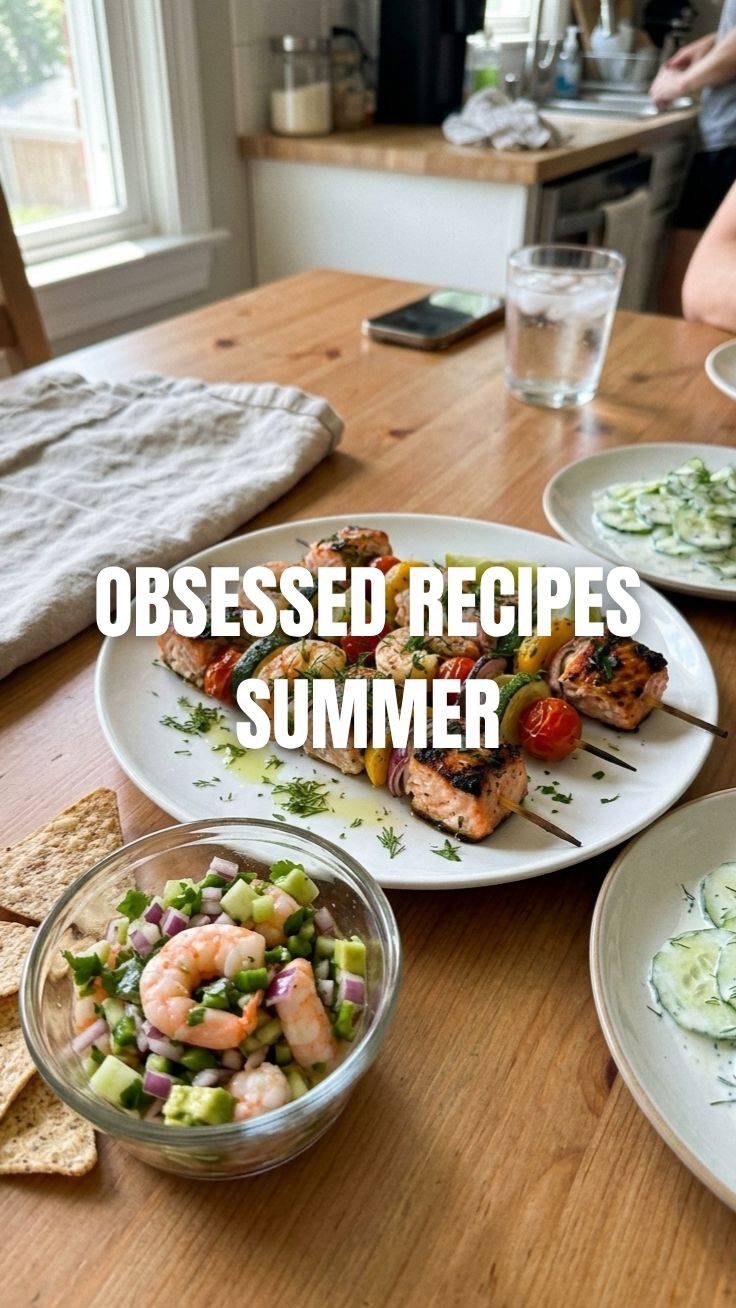
This recipe is designed for quick and easy preparation, perfect for busy summer evenings.
- Prep Time: 15 minutes (includes cleaning and chopping vegetables, peeling shrimp).
- Cook Time: 10-12 minutes (for sautéing vegetables and shrimp).
- Resting Time: None required. Serve immediately!
This schedule allows for a satisfying meal on the table in under 30 minutes, making it an ideal choice for weeknights or impromptu gatherings.
Step-by-Step Instructions
1. Prepare the Ingredients: Pat the shrimp dry with paper towels. Season lightly with salt and pepper. Slice the bell pepper, zucchini, and halve the cherry tomatoes. Mince the garlic and chop the parsley.
2. Heat the Skillet: Heat the olive oil in a large non-stick skillet over medium-high heat until shimmering.
3. Sauté Vegetables: Add the sliced bell pepper and zucchini to the skillet. Cook for 3-4 minutes, stirring occasionally, until they start to soften but still retain a slight crispness. Add the minced garlic and red pepper flakes (if using) and cook for another minute until fragrant. Avoid overcooking the vegetables; you want them bright and tender-crisp.
4. Cook the Shrimp: Push the vegetables to one side of the skillet. Add the seasoned shrimp to the empty side in a single layer. Cook for 2-3 minutes per side, or until the shrimp turn pink and opaque. They curl into a “C” shape when perfectly cooked. Ensure you don’t overcook the shrimp, as it can become rubbery.
5. Combine and Finish: Add the halved cherry tomatoes to the skillet along with the cooked shrimp and vegetables. Stir everything together gently. Squeeze fresh lemon juice over the entire dish.
6. Garnish and Serve: Sprinkle with fresh chopped parsley. Serve immediately. This delicious and remarkably simple dish is a fantastic example of a low calorie seafood recipes summer entree that doesn’t compromise on flavor. It’s equally satisfying on its own or alongside a vibrant side dish, like one of our favorite light shrimp summer salads.
Nutritional Benefits & Advantages
This shrimp and vegetable skillet is a powerhouse of nutrition. Shrimp is an excellent source of lean protein, low in calories, and rich in essential nutrients like selenium, vitamin B12, and phosphorus. The colorful array of vegetables—bell peppers, zucchini, and cherry tomatoes—provides a wealth of vitamins (C, A, K), minerals, and antioxidants, contributing to overall well-being and supporting a healthy immune system. Olive oil adds beneficial monounsaturated fats. This dish is naturally gluten-free and dairy-free, making it suitable for various dietary needs, and its high satiety factor helps in weight management.
Tips, Variations & Cooking Advice
- Spice it Up: For more heat, add a pinch of cayenne pepper or a dash of your favorite hot sauce.
- Herb Power: Experiment with other fresh herbs like basil, oregano, or thyme for different flavor profiles.
- Veggie Swap: Feel free to substitute or add other quick-cooking vegetables like asparagus, green beans, or snap peas.
- Marinade Magic: For extra flavor, marinate the shrimp in a mixture of lemon juice, garlic, and a pinch of dried oregano for 15-20 minutes before cooking.
- Serving Suggestions: Serve over a bed of quinoa, brown rice, or cauliflower rice for a more substantial meal. It also pairs wonderfully with crusty bread for soaking up the delicious juices.
- Dietary Adaptations: To make it lower in sodium, use unsalted chicken or vegetable broth instead of salt for seasoning.
Common Mistakes to Avoid
- Overcooking the Shrimp: This is the most common mistake. Shrimp cooks very quickly. As soon as they turn pink and opaque, remove them from the heat. Overcooked shrimp become tough and rubbery.
- Crowding the Pan: Don’t overcrowd the skillet, especially when cooking the shrimp. This lowers the pan’s temperature and steams the ingredients instead of searing them, resulting in less flavor and a watery texture. Cook in batches if necessary.
- Under-seasoning: Seafood benefits from proper seasoning. Don’t be shy with salt and pepper, and finish with a bright element like lemon juice or fresh herbs.
- Using cold oil: Always ensure your oil is hot before adding ingredients to prevent sticking and promote even cooking.
Storage & Meal Prep Tips
Leftovers can be stored in an airtight container in the refrigerator for up to 2-3 days. While the texture of reheated shrimp can sometimes be a bit tougher, the flavors remain delicious. Reheat gently in a skillet over low heat or in the microwave until just warmed through to prevent further overcooking. This dish doesn’t freeze well due to the delicate texture of shrimp and vegetables. For meal prep, you can chop all the vegetables in advance and store them in the refrigerator, ready for a quick cook on demand.
Conclusion
Embrace the joy of effortless, healthy eating this warmer season with this fantastic shrimp and vegetable skillet. It perfectly embodies the spirit of low calorie seafood recipes summer—quick, flavorful, and incredibly nutritious. Whether you’re looking for a speedy weeknight dinner or a light lunch option alongside a refreshing side like one of our light shrimp summer salads, this recipe is a true winner. Give it a try tonight and discover the delicious possibilities! Don’t forget to share your culinary creations with us in the comments below.
FAQs
Q1: Can I use frozen shrimp?
A1: Yes, absolutely! Just make sure to thaw them completely before cooking. You can thaw them overnight in the refrigerator or by placing them in a colander under cold running water for a few minutes. Pat them very dry before seasoning.
Q2: What if I don’t have fresh lemon?
A2: Bottled lemon juice can be used in a pinch, but fresh lemon juice provides a brighter, more vibrant flavor. You could also use a tablespoon of white wine vinegar or apple cider vinegar if no lemon is available, though the flavor profile will shift slightly.
Q3: How can I make this dish spicier?
A3: To increase the heat, add more red pepper flakes, or a finely diced jalapeño or serrano pepper along with the other vegetables. A dash of your favorite chili oil at the end also works wonders.
Q4: Can I add a creamy element to this dish?
A4: For a touch of creaminess without adding too many calories, you can stir in a tablespoon or two of light coconut milk or a dairy-free cream alternative at the very end of cooking, just before serving.
Q5: What’s the best way to ensure consistent shrimp cooking?
A5: Cook shrimp in a single layer without overcrowding the pan. Also, make sure all your shrimp are roughly the same size. If you have a variety of sizes, cook the larger ones for an extra minute or so before adding the smaller ones.