Unlock a Flavorful Feast: Your Guide to Perfect Lemon Herb Roasted Chicken
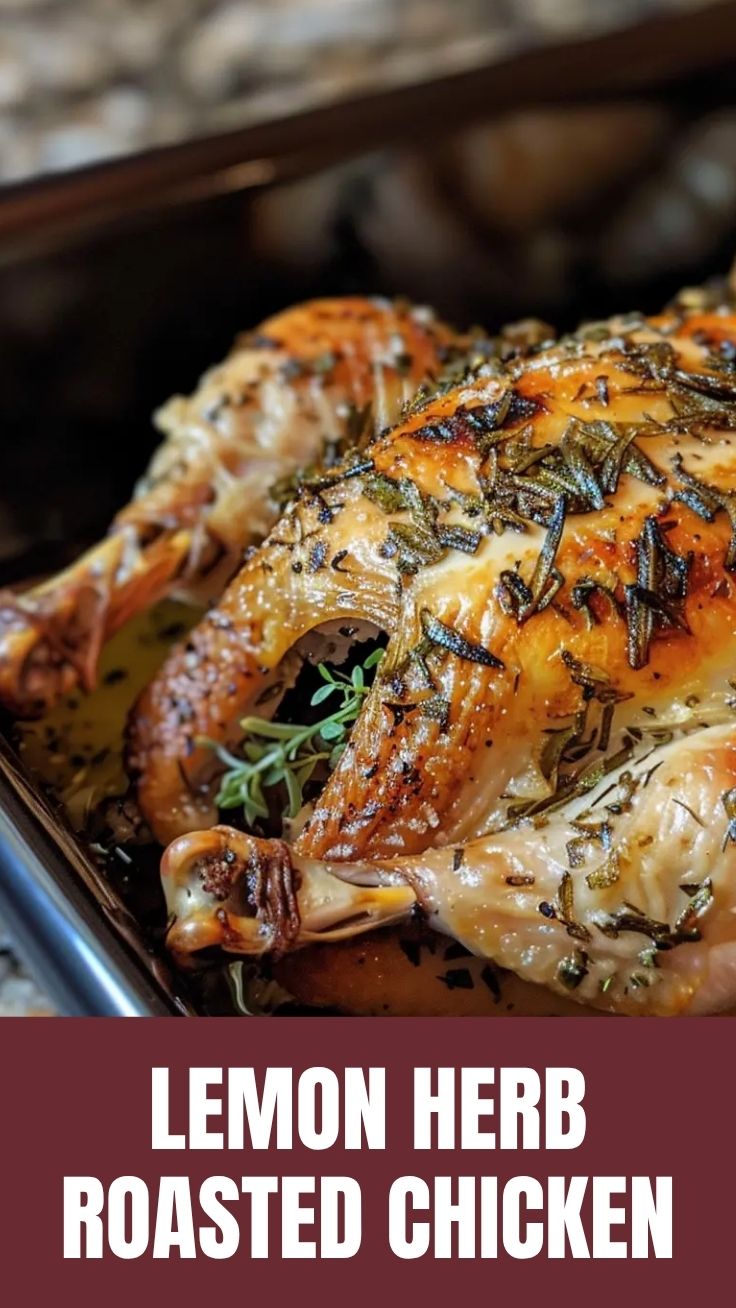
Ever wondered how to transform a simple chicken into a culinary masterpiece that fills your home with irresistible aromas and satisfies every palate? Look no further! Preparing a Lemon Herb Roasted Chicken at home isn’t just about cooking; it’s about creating an experience, embracing fresh ingredients, and tailoring a meal exactly to your taste preferences. This comprehensive guide will walk you through crafting a succulent, flavour-packed dish that outshines any takeout. And for those who love a touch of sweetness and depth, we’ll also touch upon the magic of a Glazed Herb Roasted Chicken, offering a delightful alternative for your weeknight dinners or special occasions.
Ingredients & Kitchen Tools
- Whole Chicken (3-4 lbs): Opt for a free-range or organic bird for best flavor and texture.
- Lemons (2-3): Zest and juice of two for marinade, one sliced for cavity and pan. Adds bright, zesty notes.
- Fresh Herbs (1/4 cup total): Rosemary, thyme, oregano, and parsley, finely chopped. Aromatic and essential for classic flavor.
- Garlic (6-8 cloves): Minced or smashed. Enhances savory depth.
- Olive Oil (1/4 cup): Extra virgin for a robust taste, binds herbs and spices.
- Butter (2 tbsp): Unsalted, melted. For brushing, helps with crisping skin and richness.
- Salt (1-2 tsp): Kosher or sea salt, adjusts seasoning.
- Black Pepper (1/2 tsp): Freshly ground, for a pungent kick.
- Optional for Glaze (for Glazed Herb Roasted Chicken): Honey or maple syrup (2 tbsp), Dijon mustard (1 tbsp). Adds a sweet and tangy crust.
Kitchen Tools:
- Roasting Pan: With a rack preferred, for even cooking and crispy skin.
- Large Mixing Bowl: For preparing the herb mixture.
- Meat Thermometer: Essential for ensuring safe internal temperature.
- Small Knife & Cutting Board: For prepping ingredients.
- Basting Brush: For applying melted butter or glaze.
- Foil: For tenting during resting.
Prep Time & Cooking Schedule
- Prep Time: 20-30 minutes (includes chopping herbs, zesting, and mixing).
- Marinating Time: Minimum 30 minutes, ideally 2-4 hours, or even overnight in the refrigerator for maximum flavor penetration. This step is crucial for an exceptionally tender and flavorful chicken.
- Cook Time: 60-90 minutes, depending on the size of the chicken and oven calibration.
- Resting Time: 10-15 minutes. Crucial for juicy results. Juices redistribute throughout the meat, preventing a dry bird.
Total time from start to finish (excluding marinating) is approximately 1 hour 45 minutes to 2 hours. Plan accordingly to have this magnificent meal on your table without a rush. If you opt for the Glazed Herb Roasted Chicken, add the glazing step in the last 15-20 minutes of cooking.
Step-by-Step Instructions
1. Prepare the Chicken: Remove the chicken from its packaging. Pat it thoroughly dry with paper towels – this is key for crispy skin! Remove giblets from the cavity.
2. Make the Herb Butter/Marinade: In a bowl, combine minced garlic, chopped fresh herbs, lemon zest, olive oil, salt, and pepper. If you’re going for a Lemon Herb Roasted Chicken, add a tablespoon of fresh lemon juice here. For a Glazed Herb Roasted Chicken, reserve the honey/maple syrup and Dijon for later.
3. Season the Chicken: Gently separate the skin from the breast meat using your fingers, being careful not to tear it. Rub about half of the herb mixture directly onto the meat under the skin. Spread the remaining mixture all over the exterior of the chicken, ensuring to get into all crevices.
4. Stuff the Cavity: Place remaining lemon slices and a few sprigs of herbs (like rosemary or thyme) into the chicken cavity. Tie the legs together with kitchen twine and tuck the wings under the body.
5. Marinate: Place the seasoned chicken in the roasting pan or a large dish, cover, and refrigerate for at least 30 minutes, or much longer as advised in the schedule above.
6. Preheat Oven: Preheat your oven to 400°F (200°C).
7. Roast the Chicken: Place the chicken on a rack in a roasting pan, breast-side up. Melt the butter and brush it over the chicken. Roast for 60-90 minutes, or until the internal temperature reaches 165°F (74°C) in the thickest part of the thigh (without touching bone).
8. Glazing (Optional): If making Glazed Herb Roasted Chicken, mix 2 tablespoons of honey/maple syrup with 1 tablespoon of Dijon mustard. During the last 15-20 minutes of cooking, brush this glaze over the chicken, allowing it to caramelize.
9. Rest: Once cooked, remove the chicken from the oven, tent loosely with foil, and let it rest for 10-15 minutes before carving. This ensures a juicy final product.
Nutritional Benefits & Advantages
Chicken is an excellent source of lean protein, essential for muscle repair and growth. The herbs not only provide incredible flavor but also offer various antioxidants and anti-inflammatory compounds. Lemon adds a boost of Vitamin C. Roasting is a healthier cooking method compared to frying, requiring minimal added fats. This dish offers a balanced meal, especially when paired with roasted vegetables, providing fiber and essential nutrients. It’s a satisfying and wholesome option for the whole family.
Tips, Variations & Cooking Advice
- Spice It Up: Add a pinch of red pepper flakes to the herb mixture for a subtle heat.
- Vegetable Medley: Roast potatoes, carrots, onions, or Brussels sprouts alongside the chicken in the same pan, allowing them to absorb all the delicious drippings.
- Citrus Swap: Experiment with oranges or limes instead of lemons for a different citrusy twist.
- Butter vs. Oil: While olive oil is great, a mix of butter and olive oil can enhance flavor and help with browning.
- Achieve Crispy Skin: Ensure the chicken is very dry before applying the rub. Start with a higher oven temperature (e.g., 425°F/220°C for 15-20 minutes) then reduce to 375°F (190°C) for the remainder of the cooking time.
Common Mistakes to Avoid
- Not Drying the Chicken: This is the most common mistake leading to soggy skin. Pat, pat, pat!
- Overcrowding the Pan: If adding vegetables, ensure there’s enough space for air circulation to prevent steaming instead of roasting.
- Cutting Too Soon: Rest the chicken! Cutting immediately lets all the precious juices escape, resulting in dry meat.
- Under-seasoning: Chicken can handle a generous amount of seasoning, especially salt and herbs. Don’t be shy!
- Incorrect Temperature: Using a meat thermometer is non-negotiable for perfectly cooked, safe chicken.
Storage & Meal Prep Tips
Leftover Lemon Herb Roasted Chicken can be stored in an airtight container in the refrigerator for 3-4 days. It’s fantastic for meal prep! Shred the remaining chicken and use it in salads, sandwiches, tacos, or pasta dishes. To reheat, gently warm in the oven at 300°F (150°C) with a splash of broth to prevent drying out, or briefly in the microwave. Freezing whole roasted chicken isn’t ideal due to texture changes, but shredded cooked chicken freezes well for up to 2-3 months.
Conclusion
Mastering a Lemon Herb Roasted Chicken is a gateway to endless culinary possibilities. With its aromatic herbs, zesty lemon, and perfectly crispy skin, it’s a dish that impresses every time. Whether you stick to the classic preparation or venture into the delightful sweetness of a Glazed Herb Roasted Chicken, you’re guaranteed a flavorful and satisfying meal that makes home cooking truly rewarding. Give this recipe a try, share your results, and savor the simple pleasure of a homemade feast!
FAQs
Q1: Can I use dried herbs instead of fresh ones?
A1: Yes, you can, but use about one-third the amount of dried herbs compared to fresh, as their flavor is more concentrated.
Q2: My chicken skin isn’t getting crispy. What am I doing wrong?
A2: Ensure the chicken is thoroughly patted dry before seasoning. Also, avoid crowding the roasting pan and try a higher initial oven temperature to help crisp the skin.
Q3: How do I prevent the chicken breast from drying out?
A3: Ensure you don’t overcook the chicken; use a meat thermometer. Brining the chicken beforehand can also help retain moisture. Tenting with foil during the last part of cooking can also prevent the breast from drying.
Q4: Can I marinate the chicken for longer than overnight?
A4: We don’t recommend marinating chicken for longer than 24 hours when using lemon juice, as the acid can start to break down the protein, leading to a mushy texture.
Q5: What are good side dishes for this roasted chicken?
A5: Roasted potatoes and carrots, a fresh green salad, mashed potatoes, or steamed green beans complement this dish wonderfully.