Crispy, Crunchy, Unforgettable: Your Ultimate Guide to Homemade Korean Fried Chicken
Ever wondered how restaurants achieve that impossibly crispy, flavor-packed Korean Fried Chicken? The secret isn’t as elusive as you might think! Mastering the art of homemade Korean Fried Chicken is a culinary adventure that promises immense satisfaction, transforming your kitchen into a hub of irresistible aromas and delightful textures. Forget soggy coatings and bland bites; with this comprehensive guide, you’ll unlock the secrets to a truly authentic and utterly delicious Korean Fried Chicken experience right in your own home. Preparing this iconic dish from scratch not only guarantees freshness and quality but also allows for personalized seasoning and a truly superior crunch that elevates the entire dining experience.
Ingredients & Kitchen Tools
Here’s everything you’ll need to embark on your Korean chicken journey:
- Chicken:
* 2 lbs bone-in, skin-on chicken wings or drumettes: The classic choices for maximum flavor and crispiness.
* 1 cup buttermilk (or milk + 1 tbsp vinegar/lemon juice): Tenderizes the chicken and helps the coating adhere.
- Marinade:
* 2 tbsp soy sauce: Adds umami and depth of flavor.
* 1 tbsp fresh ginger, grated: Aromatic and pungent, essential for authentic Korean flavors.
* 1 tbsp fresh garlic, minced: Another cornerstone of Korean cuisine.
* 1 tsp black pepper: A subtle kick.
- Crispy Coating:
* 1 cup all-purpose flour: The base of our crispy coating.
* 1/2 cup cornstarch (or potato starch): Crucial for that extra-crispy, almost translucent crust.
* 1 tsp baking powder: Aids in getting a light, airy coating.
* 1 tsp salt: Enhances flavor.
* 1/2 tsp gochugaru (Korean chili flakes, optional): For a touch of heat and color.
* 1 cup sparkling water or club soda: The secret to an extra-light and bubbly batter.
- Frying Oil:
* 4-6 cups neutral oil (canola, vegetable, peanut): Enough to submerge the chicken pieces for even frying.
- Sauce (Yangnyeom Sauce – spicy, sweet, and tangy):
* 1/4 cup gochujang (Korean chili paste): The heart of the sauce, providing a rich, savory heat.
* 2 tbsp soy sauce: Balances the spice.
* 2 tbsp rice vinegar: Adds tanginess.
* 2 tbsp honey or corn syrup (corn syrup for traditional gloss): Sweetens and creates a beautiful glaze.
* 1 tbsp brown sugar: Deepens the sweetness.
* 1 tbsp fresh garlic, minced: More aromatic depth.
* 1 tsp fresh ginger, grated: Completes the flavor profile.
* 1 tsp toasted sesame oil: Adds a nutty finish.
* Optional garnish: Toasted sesame seeds, chopped scallions.
- Kitchen Tools:
* Large mixing bowls: For marinating and breading.
* Whisk: For combining dry ingredients.
* Deep pot or Dutch oven (for frying): Essential for maintaining consistent oil temperature.
* Thermometer (candy/oil thermometer): Crucial for accurate oil temperature control.
* Tongs: For handling chicken safely.
* Wire rack with baking sheet: For draining excess oil and maintaining crispiness.
* Small saucepan: For preparing the sauce.
Prep Time & Cooking Schedule
- Prep Time: 20 minutes (plus marinating)
- Marinating Time: 1-4 hours (preferably overnight for best flavor and tenderness)
- Cooking Time: 30-40 minutes (per batch, double frying)
- Sauce Prep: 5 minutes
Planning is key for perfect Korean Fried Chicken. Start marinating your chicken well in advance – an overnight soak yields the most flavorful and tender results. Prepare your mise en place (all ingredients prepped and ready) before you start frying, as the frying process requires attention and quick moves.
Step-by-Step Instructions
1. Marinate the Chicken: In a large bowl, combine the chicken pieces with buttermilk, soy sauce, grated ginger, minced garlic, and black pepper. Mix well to ensure every piece is coated. Cover and refrigerate for at least 1 hour, or ideally 4-8 hours, or even overnight. This tenderizes the chicken and infuses it with flavor, a crucial step for truly amazing Korean chicken.
2. Prepare the Frying Oil: Pour enough neutral oil into a deep pot or Dutch oven to reach about 3-4 inches. Heat the oil over medium-high heat until it reaches 325°F (160°C). Use an oil thermometer for accuracy.
3. Make the Crispy Batter: While the oil heats, drain the marinated chicken pieces, discarding any excess liquid. In a separate large bowl, whisk together the flour, cornstarch, baking powder, salt, and optional gochugaru. Slowly add the sparkling water or club soda, whisking until a thick, pancake-like batter forms. Do not overmix; a few lumps are fine.
4. First Fry: Dip each chicken piece into the batter, ensuring an even coating. Carefully lower the chicken pieces into the hot oil, frying in batches to avoid overcrowding the pot (this lowers the oil temperature and leads to soggy chicken). Fry for 6-8 minutes, until lightly golden and cooked through. Remove the chicken to a wire rack set over a baking sheet to drain.
5. Prepare the Sauce: While the first batch of chicken fries, combine all sauce ingredients (gochujang, soy sauce, rice vinegar, honey/corn syrup, brown sugar, minced garlic, grated ginger, sesame oil) in a small saucepan. Bring to a gentle simmer over medium-low heat, stirring occasionally, until the sauce thickens slightly, about 3-5 minutes. Keep warm.
6. Second Fry (The Secret to Crispiness!): Increase the oil temperature to 350-375°F (175-190°C). Once the oil is up to temperature, carefully place the partially cooked chicken back into the hot oil in batches. Fry for another 4-6 minutes, or until deep golden brown and exceptionally crispy.
7. Drain and Toss: Remove the perfectly crispy chicken to the wire rack to drain any excess oil.
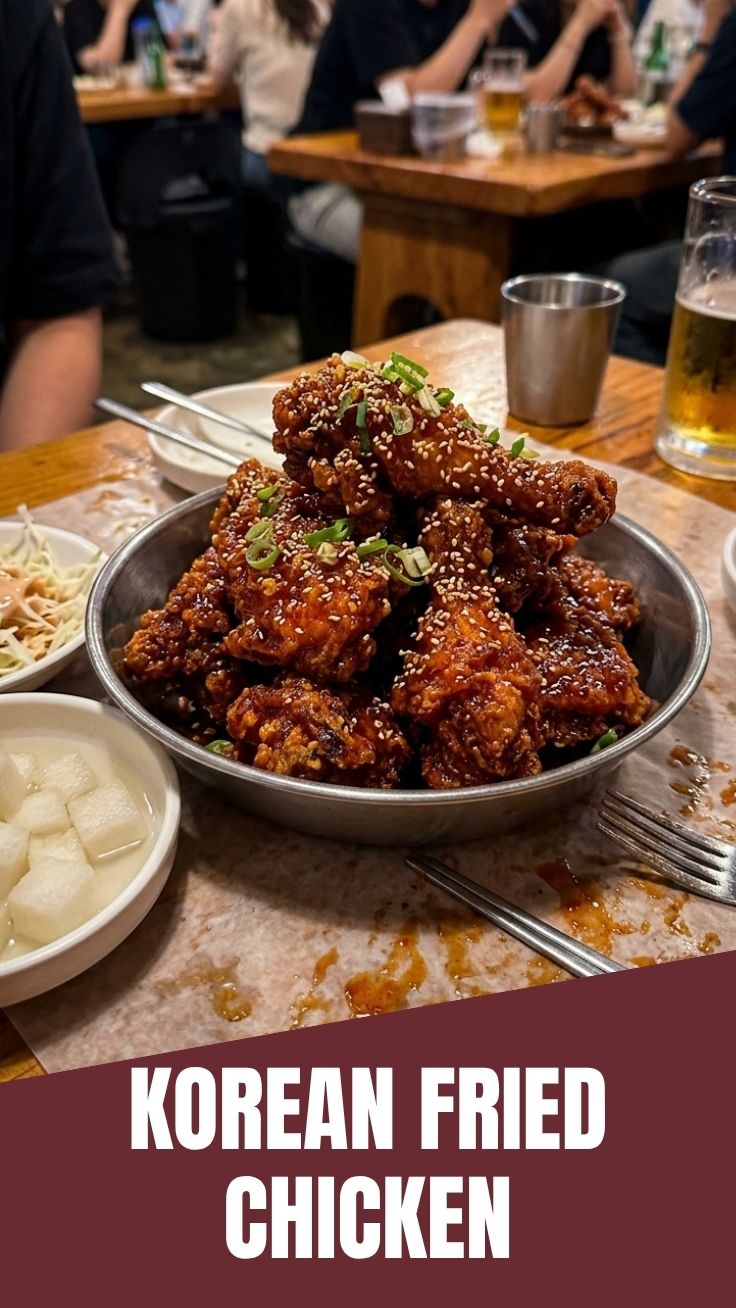
8. Coat and Serve: In a large bowl, add the fried chicken and pour the warm sauce over it. Toss gently with tongs until every piece is gloriously coated. Garnish with toasted sesame seeds and chopped scallions, if desired. Serve immediately and enjoy the incomparable crunch!
Nutritional Benefits & Advantages
While Korean Fried Chicken is often seen as an indulgence, making it at home allows for better control over ingredients. Chicken is an excellent source of lean protein, essential for muscle repair and growth. The ginger and garlic in the marinade and sauce provide powerful antioxidants and anti-inflammatory compounds. Using healthy neutral oils for frying (like canola or peanut oil) can also be a more mindful choice than some commercial frying oils. Plus, the satisfaction of creating such a delicious meal from scratch is a benefit in itself!
Tips, Variations & Cooking Advice
- Spice Level: Adjust the amount of gochugaru in the batter and gochujang in the sauce to suit your preferred spice level. For milder versions, reduce the chili components; for extra heat, add more.
- Double Frying is Non-Negotiable: Seriously, do not skip the second fry! This is the fundamental technique that gives Korean Fried Chicken its signature shatteringly crispy texture.
- Alternative Cuts: While wings and drumettes are traditional, boneless chicken thighs can also be used for a quicker cooking time, though the bone-in pieces tend to be juicier. Ensure they are cut into uniform pieces.
- Gluten-Free Option: Substitute regular flour with a gluten-free all-purpose flour blend and cornstarch. Ensure your soy sauce is gluten-free (tamari).
- Sweetness Control: Adjust the honey/corn syrup and brown sugar in the sauce to your liking. Some prefer a sweeter sauce, others a more savory one.
- Air Fryer Option: While not as authentic, for a healthier spin, you can air fry the chicken. Coat in batter as usual, then air fry at 375°F (190°C) for 20-25 minutes, flipping halfway, until crispy and cooked through. You might need to spritz with a little oil.
Common Mistakes to Avoid
- Overcrowding the Pot: This is the most common mistake. Overcrowding drops the oil temperature drastically, leading to greasy, soggy chicken. Fry in small batches.
- Skipping Marination: While you can get away with 30 minutes, a longer marination time (especially overnight in buttermilk) makes a huge difference in flavor and tenderness.
- Not Double Frying: As mentioned, this is critical for the characteristic crispiness. Single-fried chicken will never achieve the same crunch.
- Incorrect Oil Temperature: Too low, and the chicken absorbs too much oil and becomes greasy. Too high, and the outside burns before the inside is cooked. Use a thermometer.
- Overmixing the Batter: Overmixing develops the gluten in the flour, making the coating tough instead of light and crispy.
- Not Draining Excess Oil: Always place fried chicken on a wire rack to allow air circulation and prevent the bottom from steaming and becoming soggy.
Storage & Meal Prep Tips
- Storage: Leftover Korean Fried Chicken can be stored in an airtight container in the refrigerator for up to 3 days.
- Reheating: To revive the crispiness, reheat in an air fryer at 350°F (175°C) for 8-10 minutes, or in a conventional oven at 375°F (190°C) for 10-15 minutes, until heated through and crispy again. Avoid the microwave, as it will make the coating soggy.
- Meal Prep: You can marinate the chicken a day or two in advance. The sauce can also be made ahead of time and stored in the refrigerator for up to a week, then gently reheated when ready to use.
Conclusion
Creating your own Korean Fried Chicken at home is a rewarding culinary achievement. With its unparalleled crunch, juicy interior, and addictively sweet and spicy glaze, this recipe guarantees a show-stopping meal that rivals your favorite takeout. Don’t be intimidated by the double-frying process; it’s the secret to perfection. So, roll up your sleeves, gather your ingredients, and prepare to impress yourself and your loved ones with this truly authentic Korean chicken experience. We encourage you to try this recipe, share your delicious results in the comments below, and explore other fantastic chicken recipes on our blog!
FAQs
Q1: Can I use boneless, skinless chicken breast?
A1: While you can, it’s generally not recommended for authentic Korean Fried Chicken. Boneless, skinless cuts tend to dry out more easily during the double-frying process. Bone-in, skin-on wings or drumettes offer superior juiciness and flavor.
Q2: What can I use if I don’t have buttermilk?
A2: You can easily make your own buttermilk substitute! Add 1 tablespoon of white vinegar or lemon juice to 1 cup of regular milk (dairy or non-dairy), stir, and let it sit for 5-10 minutes until it slightly curdles.
Q3: My chicken isn’t getting crispy, what went wrong?
A3: The most common culprits are overcrowding your pot, oil temperature being too low, or skipping the second fry. Ensure you follow the specific temperature guidelines and fry in small batches.
Q4: Can I make the sauce less spicy?
A4: Absolutely! Reduce the amount of gochujang (Korean chili paste) in the sauce. You can also omit the gochugaru (chili flakes) from the batter for a milder overall flavor.
Q5: How do I know when the chicken is cooked through?
A5: For bone-in chicken, after the first fry, an internal temperature of 165°F (74°C) is ideal. The second fry focuses on crisping the exterior. If you cut into a piece, the juices should run clear.