Sizzling Success: Your Guide to Perfect High-Protein Grilled Salmon
Ever wondered how to consistently achieve that perfectly flaky, incredibly flavorful grilled salmon without the guesswork? Preparing restaurant-quality seafood at home isn’t just about saving money; it’s about controlling ingredients, customizing flavors, and enjoying a truly wholesome meal. Today, we’re diving deep into crafting high protein grilled salmon recipes that are not only delicious but also incredibly simple to master. This comprehensive guide will transform your grilling game, ensuring every bite is a testament to fresh, healthy cooking.
Ingredients & Kitchen Tools
Gathering your mise en place is the first step to culinary success. Here’s what you’ll need for these exceptional high protein grilled salmon recipes:
- Salmon Fillets (4x 6oz portions): Opt for skin-on, wild-caught salmon for best flavor and Omega-3 content. Farm-raised is a good alternative.
- Olive Oil (2 tbsp): Extra virgin for rich flavor, or light olive oil for high heat.
- Lemon (1 large): Freshly squeezed juice and zest are crucial for brightening flavors.
- Garlic (3 cloves): Minced finely for aromatic depth. Garlic powder (1 tsp) can substitute.
- Fresh Dill (2 tbsp): Chopped, for a classic complement to salmon. Dried dill (1 tsp) also works.
- Paprika (1 tsp): Sweet or smoked, for color and a subtle smoky undertone.
- Sea Salt (½ tsp): Or to taste; essential for enhancing flavor.
- Black Pepper (¼ tsp): Freshly ground, for a pungent kick.
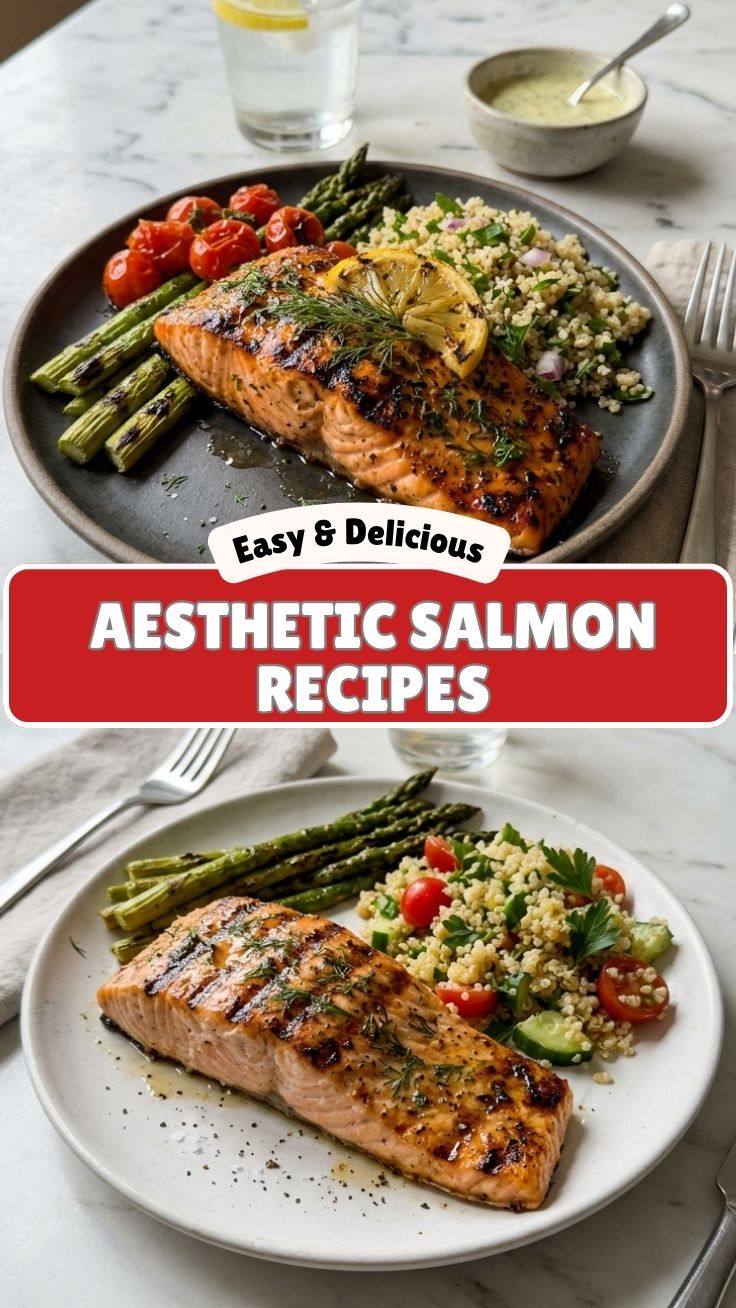
- Optional – Asparagus (1 bunch): Trimmed, for a complete healthy grilled salmon meal.
- Grill or Grill Pan: Essential for achieving that perfect char.
- Tongs: For easy flipping without damaging the fish.
- Small Mixing Bowl: For combining marinade ingredients.
- Basting Brush: For applying marinade evenly.
- Instant-Read Thermometer: For precise doneness control.
- Aluminum Foil (Heavy Duty): For grilling delicate items or easy cleanup.
Prep Time & Cooking Schedule
- Prep Time: 15 minutes
- Marinating Time: 15-30 minutes (optional, but recommended for deeper flavor)
- Cook Time: 12-15 minutes
- Resting Time: 5 minutes
This recipe is ideal for a weeknight dinner, requiring minimal hands-on time. The quick marinating period allows flavors to meld without curing the fish, while the brief cooking time means you’ll have a delightful healthy grilled salmon meal on the table in under an hour.
Step-by-Step Instructions
1. Prepare the Salmon: Pat salmon fillets dry with paper towels. This crucial step ensures a crispy skin and prevents steaming. Place them in a shallow dish.
2. Make the Marinade: In a small bowl, whisk together olive oil, lemon juice, lemon zest, minced garlic, fresh dill, paprika, sea salt, and black pepper.
3. Marinate (Optional but Recommended): Pour the marinade over the salmon, ensuring all sides are coated. Cover and refrigerate for 15-30 minutes. Do not marinate for more than 30 minutes, as acidic marinades can begin to “cook” the fish.
4. Preheat Grill: Preheat your grill (gas or charcoal) to medium-high heat (400-450°F / 200-230°C). If using a grill pan, heat it over medium-high heat until shimmering.
5. Grill Salmon: Lightly oil the grill grates or grill pan. Place the salmon skin-side down (if skin-on). Cook for 6-8 minutes until the skin is crispy and releases easily from the grill.
6. Flip and Finish: Carefully flip the salmon. Cook for another 5-7 minutes, or until the internal temperature reaches 145°F (63°C) at its thickest part. For truly mouth-watering high protein grilled salmon recipes, achieving the perfect internal temperature is key to moist and tender results.
7. Rest: Remove the salmon from the grill and let it rest on a clean plate for 5 minutes. This allows the juices to redistribute, ensuring a tender, flavorful healthy grilled salmon meal.
Nutritional Benefits & Advantages
Salmon is a nutritional powerhouse! It’s an excellent source of high-quality protein, essential for muscle repair and growth. Rich in Omega-3 fatty acids (EPA and DHA), it supports heart health, brain function, and reduces inflammation. The inclusion of lemon provides Vitamin C, an antioxidant, while garlic offers immune-boosting properties. This meal is also naturally gluten-free and can be dairy-free, catering to various dietary needs.
Tips, Variations & Cooking Advice
- Flavor Boosts: Add a pinch of cayenne pepper for a spicy kick, or replace dill with fresh parsley or cilantro for a different herbaceous profile.
- Alternative Cooking Methods: No grill? No problem! Bake at 400°F (200°C) for 12-15 minutes, or pan-sear on medium-high heat for 4-5 minutes per side.
- Veggie Pairings: Alongside grilled asparagus, consider grilling bell peppers, zucchini, or cherry tomatoes for a vibrant and complete plate.
- Portion Control: Adjust fillet sizes based on dietary needs. For a lighter meal, opt for 4oz portions.
- Sauce It Up: A simple yogurt-dill sauce or a tangy lemon-butter drizzle can elevate this dish further.
Common Mistakes to Avoid
- Overcooking: The biggest culprit of dry salmon. Use an instant-read thermometer! Salmon is done at 145°F (63°C). It will continue to cook slightly while resting.
- Not Patting Dry: Leads to steaming instead of searing, resulting in soggy skin.
- Under-seasoning: Salmon loves flavor. Don’t be shy with salt, pepper, and herbs.
- Flipping Too Soon: If the fish sticks to the grill, it’s not ready to flip. Let it cook a minute or two longer; it will release when seared properly.
Storage & Meal Prep Tips
Leftover grilled salmon stores beautifully!
- Refrigeration: Place cooled salmon in an airtight container and refrigerate for up to 3 days.
- Freezing: While possible, freezing can slightly alter the texture of cooked salmon. If freezing, wrap individual portions tightly in plastic wrap, then aluminum foil, and store in a freezer-safe bag for up to 1 month. Thaw overnight in the refrigerator before reheating.
- Reheating: Gently reheat in a preheated oven at 275°F (135°C) for 10-15 minutes, or in a microwave on low power to prevent it from drying out. Leftovers are also fantastic flaked into salads, pasta, or sandwiches.
Conclusion
Mastering the grill is an empowering culinary skill, and now you have all the tools to prepare truly exceptional high protein grilled salmon recipes. With fresh ingredients, a simple yet flavorful marinade, and a few expert grilling tips, you can consistently achieve flaky, moist, and incredibly delicious results. This isn’t just about cooking a meal; it’s about creating a nourishing and satisfying experience. So fire up your grill and enjoy the rich flavors and health benefits of this fantastic healthy grilled salmon meal. Give this recipe a try, share your success stories in the comments, and don’t forget to explore our other healthy cooking guides! Your taste buds (and your body) will thank you.
FAQs
Q: Can I use frozen salmon?
A: Yes, but ensure it’s fully thawed in the refrigerator overnight before cooking. Pat it extra dry.
Q: How do I know when the salmon is done without a thermometer?
A: The flesh will turn opaque throughout and flake easily with a fork. However, a thermometer is the most reliable method for perfectly cooked, never-dry salmon.
Q: What if the skin sticks to the grill?
A: Ensure your grill grates are clean and well-oiled before placing the salmon. If it still sticks, it likely needs more time to cook and form a crust. Don’t force it; it will release when ready.
Q: Can I prepare the marinade ahead of time?
A: Yes, you can mix the marinade ingredients up to 24 hours in advance. Just add the salmon 15-30 minutes before grilling.