Unlock the Secret to the Perfect Greek Salad: A Homemade Culinary Journey
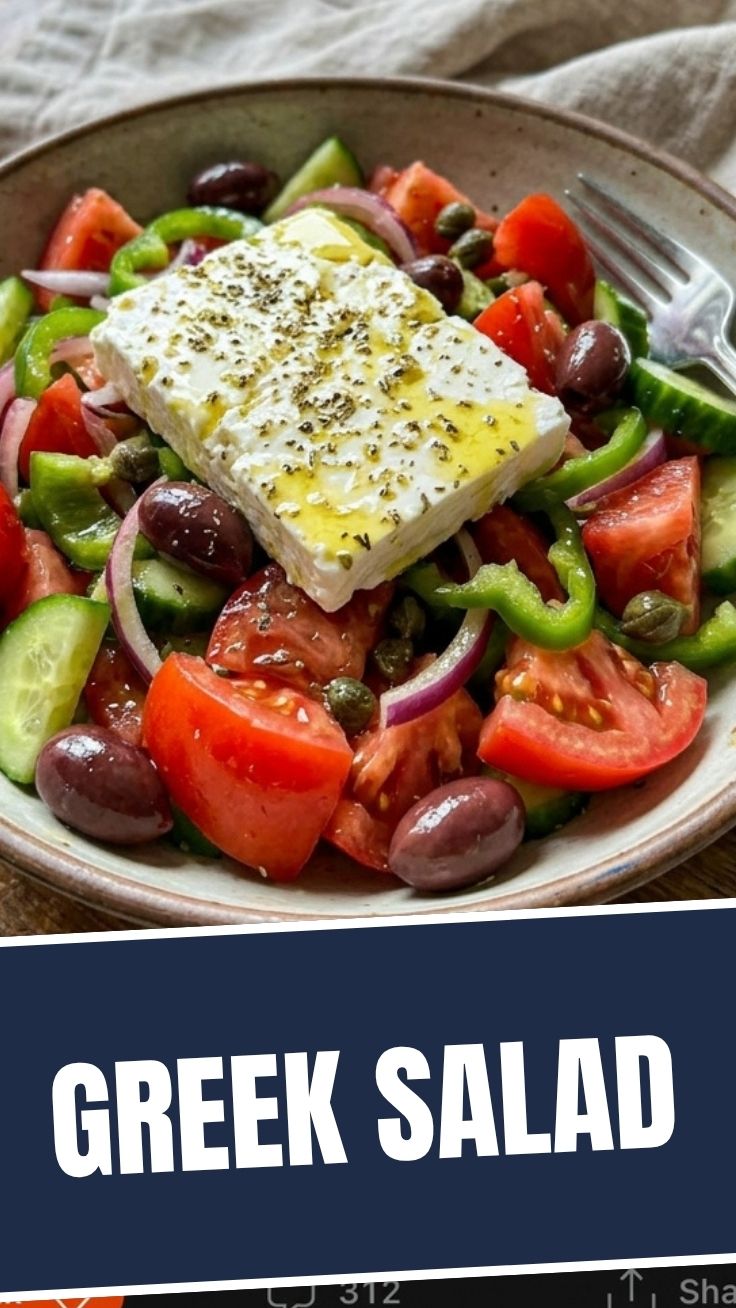
Ever wondered how to capture the vibrant flavors of the Mediterranean right in your own kitchen? Preparing a truly authentic and delicious Greek Salad at home is not just about combining ingredients; it’s about embracing a culinary tradition that celebrates freshness, simplicity, and unparalleled taste. This comprehensive guide will empower you to create a legendary Mediterranean Salad that rivals any found in sun-drenched tavernas. By mastering this classic, you’re not just making a meal; you’re crafting an experience that’s both nourishing and incredibly satisfying. Let’s delve into the art of making this iconic dish, ensuring every bite transports you to the azure coasts of Greece.
Ingredients & Kitchen Tools
Gathering the right components is key to a stellar Greek Salad. Quality ingredients elevate the final product from good to unforgettable.
- 1 large English Cucumber: Crisp and refreshing, opt for seedless to avoid excess moisture.
- 2-3 Ripe Roma Tomatoes: Sweet and juicy, providing a robust flavor.
- 1 Red Onion: Thinly sliced, adds a sharp, piquant bite. Soak in ice water for 10 minutes to mellow its intensity if preferred.
- 1 Green Bell Pepper: Crunchy with a subtle sweetness, cut into large pieces.
- 1 cup Kalamata Olives: Pitted, with their distinctive briny, fruity flavor. Crucial for authenticity.
- 4 oz Feta Cheese: Block, not crumbled, for superior taste and texture. Cut into large cubes or crumbled by hand.
- Extra Virgin Olive Oil: High-quality, for dressing. The backbone of Mediterranean flavors.
- Red Wine Vinegar: Adds a tangy counterpoint to the richness of the oil.
- Dried Oregano: Essential herb, provides an earthy, aromatic finish.
- Salt and Freshly Ground Black Pepper: To taste, enhancing all the flavors.
- Optional Substitutions:
* Cherry Tomatoes: Can be used instead of Roma for a burst of sweetness.
* Cucumber Varieties: Persian cucumbers offer a similar crispness.
* Other Olives: While Kalamata is traditional, Niçoise olives can be a passable substitute in a pinch.
* Dairy-Free Feta: For those with dietary restrictions.
Kitchen Tools:
- Large mixing bowl
- Sharp chef’s knife
- Cutting board
- Measuring cups and spoons
- Whisk (for dressing)
Prep Time & Cooking Schedule
No cooking required, just assembly! This makes it a perfect dish for busy weekdays or quick entertaining.
- Prep Time: 15-20 minutes
- Marinating Time (Optional): 10-15 minutes (allowing flavors to meld before serving)
This quick prep time means you can have a fresh, flavorful meal on the table in under half an hour. It’s an ideal choice when you want a nutritious and delicious option without spending hours in the kitchen.
Step-by-Step Instructions
Follow these simple steps to construct your perfect Greek Salad. Pay attention to the size and proportion of your cuts for a harmonious blend of textures and flavors, ensuring each bite of this quintessential Mediterranean Salad is perfection.
1. Prepare the Vegetables: Wash all vegetables thoroughly. Using a sharp knife, dice the cucumber and tomatoes into roughly 1-inch pieces. Core and seed the green bell pepper, then slice it into similar-sized pieces. Thinly slice the red onion into rings or half-moons.
2. Combine in a Bowl: In a large mixing bowl, gently combine the chopped cucumber, tomatoes, green bell pepper, red onion, and Kalamata olives.
3. Dress the Salad: In a small separate bowl, whisk together 1/4 cup of high-quality extra virgin olive oil, 2 tablespoons of red wine vinegar, 1 teaspoon of dried oregano, 1/2 teaspoon of salt, and 1/4 teaspoon of freshly ground black pepper. Taste and adjust seasoning as needed.
4. Add Feta: Pour the dressing over the vegetables. Add the feta cheese, either in large cubes or crumbled, directly on top of the salad. The block feta tends to hold its shape better and offers a creamier texture.
5. Gently Toss: Using large spoons or tongs, gently toss the salad to ensure all ingredients are lightly coated with the dressing, being careful not to break up the feta too much.
6. Serve Immediately: For the freshest taste, serve your vibrant Greek Salad immediately.
Nutritional Benefits & Advantages
The Greek Salad is a powerhouse of nutrition, embodying the health benefits of the Mediterranean diet. It’s rich in vitamins, minerals, and antioxidants.
- Heart Health: Extra virgin olive oil and olives provide monounsaturated fats, known to reduce bad cholesterol levels.
- Antioxidant Rich: Tomatoes, cucumbers, and bell peppers are packed with vitamins A and C, and other powerful antioxidants that combat free radicals.
- Gut Health: The fiber from vegetables supports a healthy digestive system.
- Bone Health: Feta cheese is a good source of calcium and phosphorus.
- Hydration: High water content from cucumbers and tomatoes aids in hydration.
Tips, Variations & Cooking Advice
- Chill Ingredients: For an extra refreshing salad, chill your vegetables before prepping.
- Don’t Overdress: Add dressing gradually, tasting as you go, to avoid making the salad soggy.
- Flavor Boost: A pinch of fresh mint or parsley can add an extra layer of freshness.
- Add Protein: Grilled chicken, chickpeas, or canned tuna can transform this into a hearty main course.
- Spice It Up: A tiny sprinkle of red pepper flakes can introduce a subtle heat.
- Dietary Adaptations:
* Gluten-Free: This recipe is naturally gluten-free.
* Vegan: Omit the feta and use a vegan feta alternative, or add extra olives and chickpeas for richness.
Common Mistakes to Avoid
- Using Pre-Crumbled Feta: Often dry and lacking the creamy texture of block feta.
- Over-dressing: Leads to a soggy salad. Dress just before serving.
- Small Cuts: Traditional Greek Salad features larger, rustic cuts of vegetables, allowing each ingredient to shine.
- Omitting Red Wine Vinegar: Essential for the tangy balance against the rich olive oil.
Storage & Meal Prep Tips
While best served fresh, leftovers of your Greek Salad can be stored.
- Refrigeration: Store any undressed portions of the salad (vegetables and feta separate from dressing) in airtight containers in the refrigerator for up to 2-3 days.
- Dressed Salad: If already dressed, consume within 1 day as the vegetables will start to release water and become soggy.
- Meal Prep: Prepare your vegetables, feta, and dressing separately. Store them in individual containers and combine just before eating for a fresh and crisp meal.
Conclusion
Crafting the perfect homemade Greek Salad is a rewarding culinary endeavor that brings the sun-drenched flavors of the Mediterranean to your table. By focusing on fresh ingredients, thoughtful preparation, and a balanced dressing, you can create a truly exceptional Mediterranean Salad that is both delicious and incredibly healthy. We encourage you to try this recipe, experiment with the variations, and share your delightful creations! This simple yet profound dish is a testament to the power of fresh, whole foods.
—
FAQs
Q1: Can I make the dressing ahead of time?
A1: Absolutely! The dressing can be prepared and stored in an airtight container in the refrigerator for up to a week. Give it a good shake before using.
Q2: What is the best type of feta cheese to use?
A2: For authenticity and best flavor, opt for traditional Greek feta cheese made from sheep’s or goat’s milk, sold in blocks in brine.
Q3: How can I prevent the red onion from being too strong?
A3: After slicing, soak the red onion in a bowl of ice water for 10-15 minutes. This process helps to mellow its pungent flavor.
Q4: Can I add other vegetables to this salad?
A4: While the described ingredients are traditional, you can certainly add other vegetables like thinly sliced radishes or even chickpeas for added protein and fiber, though it would diverge slightly from the classic Greek Salad profile.
Q5: Is this salad suitable for a potluck?
A5: Yes, it’s a fantastic potluck dish! Just be sure to transport the dressing separately and toss the salad right before serving to maintain its freshness and prevent sogginess.