Unlock the Secrets to Perfect Fried Rice: Your Ultimate Guide to a Delectable Homemade Classic!
Have you ever craved the savory, comforting taste of restaurant-quality fried rice but felt intimidated by the thought of making it at home? You’re not alone! Many believe that achieving that perfect balance of flavor and texture is a culinary enigma reserved for seasoned chefs. But what if we told you that creating an incredibly delicious Fried Rice (Classic) right in your own kitchen is not only achievable but also profoundly rewarding? Beyond the convenience, whipping up your own Homemade Fried Rice gives you ultimate control over ingredients, allowing you to tailor it to your exact preferences and dietary needs, making it a valuable addition to your culinary repertoire.
Ingredients & Kitchen Tools
Gathering the right ingredients and tools is the first step to culinary success. Here’s a breakdown of what you’ll need:
- Cooked and Chilled Rice (3 cups): Preferably day-old jasmine or long-grain white rice. Chilled rice is crucial for preventing stickiness and achieving that desirable fluffy texture.
- Eggs (2 large): For scrambling. Adds richness and protein.
- Sesame Oil (1 tablespoon): For a nutty aroma and flavor.
- Vegetable Oil (2 tablespoons): For cooking at high heat.
- Garlic (3 cloves): Minced. Essential for aromatic depth.
- Ginger (1 inch piece): Grated. Adds a pungent, spicy kick.
- Carrots (1 small): Diced. For sweetness and color.
- Peas (1/2 cup): Frozen or fresh. Adds a touch of sweetness and vibrant green.
- Green Onions (2 stalks): Sliced, white and green parts separated. For garnish and flavor.
- Soy Sauce (3 tablespoons): Low-sodium preferred. For umami and seasoning.
- Oyster Sauce (1 tablespoon): Optional, for added depth and sweetness. (Substitute with hoisin sauce or more soy sauce for vegetarian option).
- White Pepper (1/2 teaspoon): For a subtle kick. Black pepper can be used as an alternative.
- Salt (to taste): Adjust seasoning as needed.
Kitchen Tools:
- Large Wok or Skillet: Essential for even cooking and high heat.
- Spatula: For stirring and flipping.
- Cutting Board & Knife: For prepping vegetables.
- Small Bowl: For whisking eggs.
Prep Time & Cooking Schedule
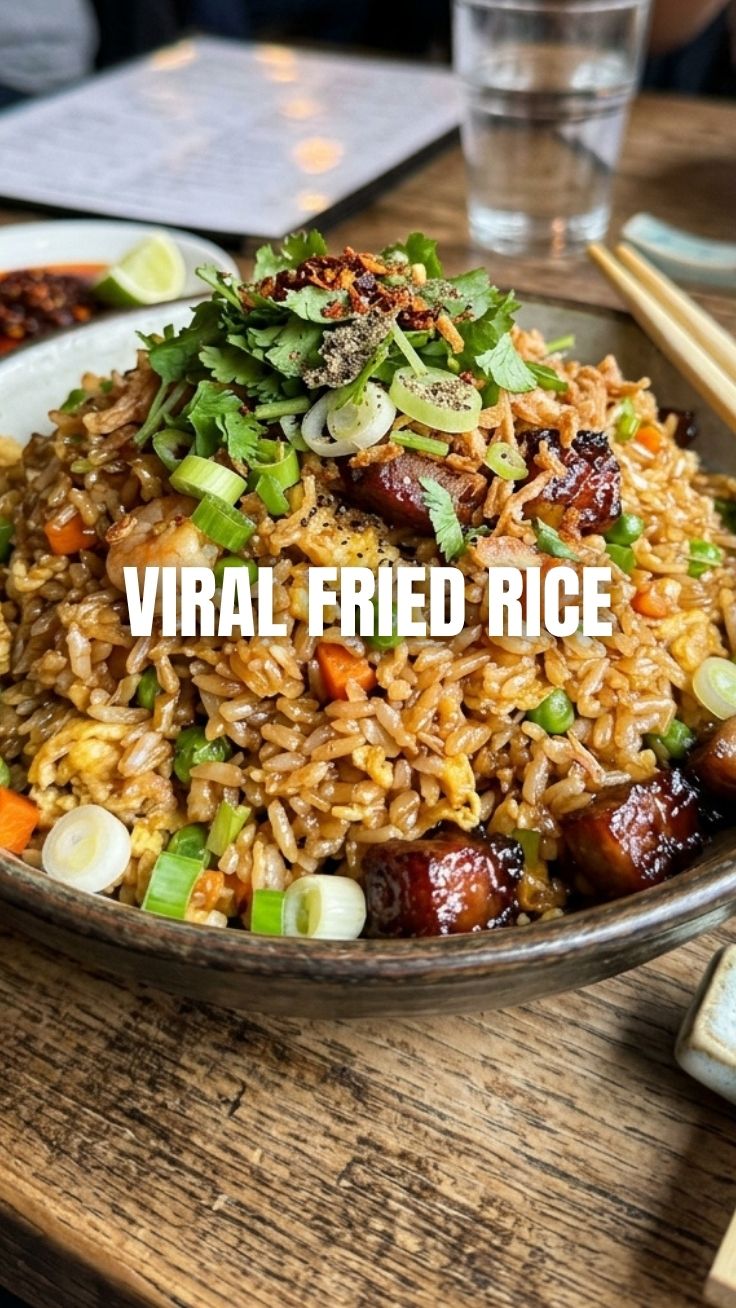
Planning is key for a seamless cooking experience. This recipe moves quickly once you start, so having everything prepped beforehand is highly recommended.
- Prep Time: 15 minutes (chopping vegetables, whisking eggs)
- Cook Time: 10-15 minutes
- Total Time: 25-30 minutes
This recipe is perfect for weeknight dinners as it comes together quickly. Ensure your rice is cooled and ideally day-old; this is non-negotiable for the best results.
Step-by-Step Instructions
Embark on your journey to culinary mastery with these detailed steps, ensuring every grain of your Fried Rice (Classic) is bursting with flavor.
1. Prepare the Eggs: In a small bowl, lightly whisk the eggs. Heat 1 tablespoon of vegetable oil in your wok or skillet over medium-high heat. Pour in the eggs and scramble until just cooked through. Remove the eggs from the wok and set aside.
2. Sauté Aromatics: Add the remaining 1 tablespoon of vegetable oil to the wok. Add minced garlic and grated ginger, stir-frying for about 30 seconds until fragrant. Be careful not to burn them.
3. Add Vegetables: Add diced carrots to the wok and stir-fry for 2-3 minutes until slightly tender. Then, add the peas and the white parts of the green onions, cooking for another minute.
4. Introduce Rice: Add the cold, cooked rice to the wok. Break up any clumps with your spatula and stir-fry vigorously for 3-5 minutes. The goal is to heat the rice thoroughly and allow some grains to toast slightly, creating that characteristic chewy texture of a truly Homemade Fried Rice.
5. Season and Combine: Push the rice and vegetables to one side of the wok. Add soy sauce, oyster sauce (if using), and white pepper to the empty side, stir-frying for 15 seconds to heat the sauces. Then, incorporate them into the rice mixture, tossing everything together until uniformly coated.
6. Final Touches: Return the scrambled eggs to the wok. Add the green parts of the green onions. Toss everything together for another minute. Taste and adjust seasoning with additional salt or soy sauce if needed.
7. Serve Immediately: Garnish with extra sliced green onions if desired.
Nutritional Benefits & Advantages
Beyond its irresistible taste, this Fried Rice (Classic) offers several nutritional benefits. Rice provides readily available energy, making it a satisfying and sustaining meal. The inclusion of eggs contributes high-quality protein, essential for muscle repair and growth. Carrots and peas are rich in vitamins, minerals, and dietary fiber, supporting digestive health and offering antioxidant properties. By making it yourself, you control the amount of sodium and fat, making it a healthier alternative to many takeout options.
Tips, Variations & Cooking Advice
- Crispy Edges: For extra crispy rice, don’t overcrowd the wok. Cook in batches if necessary, or use a larger surface area.
- Protein Power-Up: Add cooked chicken, shrimp, tofu, or luncheon meat (like char siu or spam) for a heartier meal. Incorporate these with the vegetables or just before adding the eggs.
- Spice It Up: A dash of chili oil or sriracha at the end can add a pleasant heat.
- Vegetarian/Vegan: Omit oyster sauce (use a vegan alternative or more soy sauce), and use a flax egg or plant-based egg substitute for a delicious vegetarian or vegan version.
- Gluten-Free: Ensure you use certified gluten-free soy sauce (tamari) and check all other sauce labels for gluten content.
Common Mistakes to Avoid
- Using Freshly Cooked Rice: The biggest mistake! Freshly cooked rice is too moist and will result in a soggy, clumpy fried rice. Day-old, chilled rice is paramount.
- Overcrowding the Wok: This lowers the temperature of the wok, steaming the ingredients instead of frying them. Work in batches if your wok is small.
- Low Heat: Fried rice needs high heat to get that signature “wok hei” (breath of the wok) flavor and prevent ingredients from steaming.
- Underseasoning: Don’t be afraid to taste and adjust! Fried rice is all about balancing the savory, salty, and umami notes.
Storage & Meal Prep Tips
Leftover Fried Rice (Classic) stores wonderfully, making it an excellent candidate for meal prep.
- Refrigeration: Store in an airtight container in the refrigerator for up to 3-4 days.
- Freezing: While possible, freezing can alter the texture of the rice and vegetables. If you choose to freeze, store in freezer-safe bags or containers for up to 1 month. Thaw in the refrigerator overnight before reheating.
- Reheating: Reheat in a microwave or, for best results, in a skillet with a tiny bit of oil over medium-high heat until heated through. This helps restore some of its original texture.
Conclusion
Mastering a delectable Fried Rice (Classic) is a rewarding culinary achievement that opens up a world of versatile meal possibilities. By following these detailed steps and embracing the power of your own kitchen, you can consistently create a dish that rivals your favorite takeout. So, go ahead, give this recipe a try, and savor the satisfaction of a perfectly executed Homemade Fried Rice. We’re confident you’ll love the results! Share your creations with us!
FAQs
- Can I use brown rice for fried rice? Yes, you can use brown rice, but ensure it’s cooked and chilled. Brown rice tends to be firmer and chewier, offering a different texture.
- What if I don’t have a wok? A large, heavy-bottomed skillet or cast-iron pan will work as a good substitute. Ensure it’s big enough to allow for plenty of stirring.
- How do I prevent my fried rice from being too salty? Start with low-sodium soy sauce and add gradually. Taste as you go, and remember you can always add more salt but can’t easily remove it.
- My rice is clumpy; what went wrong? This typically happens if the rice wasn’t cold enough or if you didn’t break up clumps before adding it to the wok. Chilled, day-old rice is key.
- Can I add other vegetables? Absolutely! Diced bell peppers, corn, broccoli florets, or chopped cabbage are great additions. Add them with the carrots, adjusting cooking times as needed.