Elevate Your Entertaining: Mastering the Art of a Restaurant-Quality Fresh Tomato Sauce (Summer)
Have you ever savored a pasta dish at a beloved Italian restaurant and wondered how they achieve that incredibly vibrant, deeply flavorful sauce? The secret often lies in the simplicity and quality of the ingredients, particularly when it comes to a truly exceptional Fresh Tomato Sauce (Summer). Forget those jars of pre-made sauces that often fall flat, lacking the nuanced sweetness and acidity that only ripe, sun-kissed tomatoes can provide. Mastering this quintessential culinary creation at home not only elevates your cooking but also allows you to control every aspect, from the freshness of the produce to the seasoning. This blog post will guide you through crafting a stunning homemade fresh tomato sauce, perfect for summer dining and adaptable for various culinary adventures. We’ll also explore the broader concept of Seasonal Tomato Sauce Recipes, demonstrating how embracing seasonal produce is key to unlocking maximum flavor.
Ingredients & Kitchen Tools
Crafting the perfect tomato sauce requires a judicious selection of fresh, high-quality ingredients and a few standard kitchen tools.
- 2 lbs ripe Roma tomatoes (or similar plum tomatoes): These have less water content and more flesh, ideal for a thicker, richer sauce.
- 2 tbsp extra virgin olive oil: A good quality oil provides a fruity base and aids in sautéing.
- 4 cloves garlic, minced: Fresh garlic is essential for aromatic depth; avoid pre-minced for best flavor.
- 1/2 cup fresh basil leaves, roughly chopped: Adds a sweet, peppery aroma that is synonymous with fresh tomato sauce.
- 1 tsp dried oregano: Complements the tomatoes with earthy, slightly bitter notes.
- 1/2 tsp red pepper flakes (optional): For a subtle kick; adjust to your spice preference.
- 1/2 tsp sea salt: Enhances all the flavors.
- 1/4 tsp black pepper, freshly ground: Adds a pungent counterpoint to the sweetness.
- 1 tbsp unsalted butter (optional): Swirl in at the end for a velvety finish and to mellow acidity.
- Optional: 1 tsp sugar: If your tomatoes are a bit tart, a pinch of sugar can balance the acidity.
Kitchen Tools:
- Large saucepan or Dutch oven: For simmering the sauce evenly.
- Sharp knife and cutting board: For preparing tomatoes, garlic, and basil.
- Food mill or immersion blender: For achieving your desired sauce consistency (optional, for smooth sauce).
- Spatula or wooden spoon: For stirring.
Prep Time & Cooking Schedule
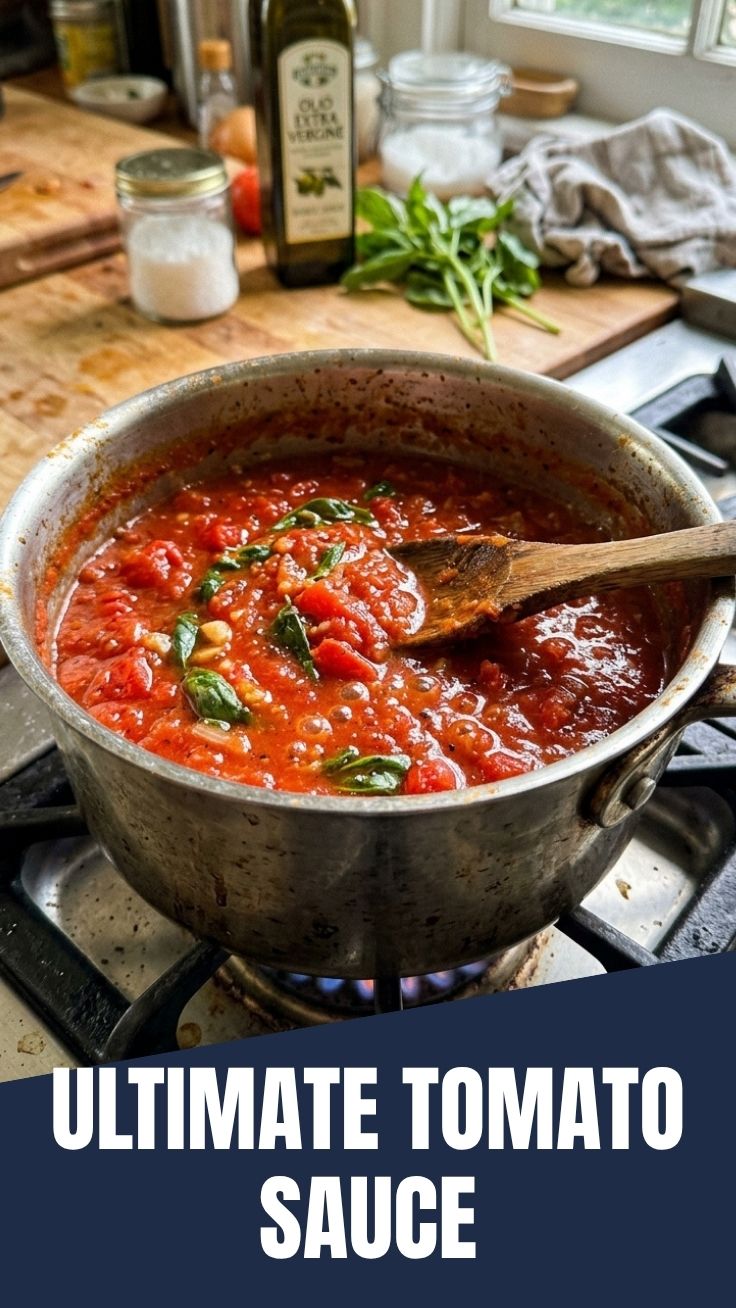
- Prep Time: 20 minutes (includes blanching and peeling tomatoes)
- Cook Time: 45-60 minutes (simmering time for flavor development)
- Resting Time: 5-10 minutes (allows flavors to meld before serving)
Plan to dedicate about an hour and a half from start to finish. The bulk of the time is hands-off simmering, allowing you to prepare other elements of your meal or simply relax. This makes it a perfect weekend project or a more elaborate weeknight dinner.
Step-by-Step Instructions
1. Prepare the Tomatoes: Bring a large pot of water to a rolling boil. Score a small “X” on the bottom of each tomato. Carefully drop the tomatoes into the boiling water for 30-60 seconds, or until the skins begin to peel back. Immediately transfer them to an ice bath to stop the cooking. Once cool, peel the skins, core the tomatoes, and roughly chop them. This step is crucial for an exquisite Fresh Tomato Sauce (Summer), ensuring a smooth texture without bitter skin fragments.
2. Sauté Aromatics: In your large saucepan or Dutch oven, heat the olive oil over medium heat. Add the minced garlic and red pepper flakes (if using) and sauté for 1-2 minutes until fragrant, being careful not to burn the garlic.
3. Simmer the Sauce: Add the chopped tomatoes to the saucepan along with dried oregano, salt, and black pepper. Bring to a gentle simmer, then reduce heat to low, cover, and cook for 30-40 minutes, stirring occasionally. This slow simmer allows the flavors to deepen beautifully, a hallmark of excellent Seasonal Tomato Sauce Recipes.
4. Refine & Finish: After simmering, taste the sauce and adjust seasonings as needed. If desired, pass the sauce through a food mill for a super smooth consistency, or use an immersion blender directly in the pot. Stir in the fresh basil and optional butter. Simmer for another 5-10 minutes to allow the basil to infuse its flavor.
Nutritional Benefits & Advantages
This homemade tomato sauce is a powerhouse of nutrients. Tomatoes are rich in lycopene, a potent antioxidant linked to heart health and cancer prevention, particularly when cooked. They also provide significant amounts of Vitamin C and K, as well as potassium. By making your own, you avoid the added sugars, excessive sodium, and artificial preservatives often found in commercial sauces, making it a much healthier option for you and your family.
Tips, Variations & Cooking Advice
- Flavor Boost: For an even richer sauce, add a splash of red wine or a parmesan rind during simmering.
- Herb Variations: Experiment with other fresh herbs like thyme, marjoram, or a bay leaf added during simmering.
- Spicy Kick: Increase the red pepper flakes or add a touch of fresh chili for a spicier version.
- Creamy Texture: Finish with a swirl of heavy cream or a dollop of mascarpone for a richer, creamier sauce.
- Soup Base: Thinner versions of this sauce can serve as a delicious base for tomato soup.
Common Mistakes to Avoid
- Not using ripe tomatoes: Green or under-ripe tomatoes will yield a watery, acidic sauce. Always choose vibrant, heavy, and fragrant ripe tomatoes.
- Burning the garlic: Garlic can turn bitter quickly. Keep the heat low and cook until fragrant, not browned.
- Rushing the simmer: Flavor development takes time. A slow, gentle simmer is essential for the tomatoes to break down and their sweetness to emerge.
- Over-salting early: Tomatoes naturally concentrate flavors as they cook. It’s better to add salt gradually and adjust at the end.
Storage & Meal Prep Tips
Leftover Fresh Tomato Sauce (Summer) can be stored in an airtight container in the refrigerator for up to 5-7 days. For longer storage, freeze portions in freezer-safe bags or containers for up to 3 months. Thaw overnight in the refrigerator before reheating gently on the stovetop or in the microwave. Freezing is an excellent way to preserve the bounty of summer tomatoes and enjoy homemade sauce all year round.
Conclusion
Creating a homemade fresh tomato sauce is a culinary rite of passage that rewards you with unparalleled flavor and satisfaction. This recipe, designed to capture the essence of summer’s harvest, provides a versatile base for countless dishes, from pasta to pizza. By focusing on quality ingredients and following these steps, you’ll master a staple that will impress and delight. Embrace the journey of crafting truly delicious food and explore the endless possibilities of Seasonal Tomato Sauce Recipes. Give this recipe a try, and share your culinary creations with us!
FAQs
Q1: Can I use canned tomatoes instead of fresh?
A1: While fresh tomatoes are ideal for this specific summer recipe, high-quality canned whole peeled tomatoes (like San Marzano) can be used as a substitute, especially when fresh ripe tomatoes are out of season. Adjust simmering time as canned tomatoes are already cooked.
Q2: How do I make the sauce thicker?
A2: To thicken the sauce, simply simmer it uncovered for a longer period, allowing more water to evaporate. You can also mix in a tablespoon of tomato paste during the initial sauté for extra body and concentrated flavor.
Q3: What dishes can I use this sauce with?
A3: This versatile sauce is perfect with any type of pasta, as a base for pizza, in lasagna, with meatballs, or even as a dipping sauce for breadsticks.
Q4: How can I adjust the acidity if my tomatoes are very tart?
A4: A pinch of sugar (1/2 to 1 teaspoon) can help balance the acidity. Alternatively, a little baking soda (1/4 teaspoon for a large batch) can neutralize acidity, but add it cautiously as it can alter the flavor if too much is used.
Q5: Can I make this sauce vegetarian/vegan?
A5: Yes, this recipe is naturally vegetarian. To make it vegan, omit the optional unsalted butter at the end, or substitute with a plant-based butter alternative.