Unlocking the Secret to the Perfect Homemade French Onion Soup
Ever wondered what makes a restaurant-quality French Onion Soup so irresistibly rich and satisfying? It’s not just about the cheese or the broth; it’s a careful dance of flavors, textures, and techniques that, when mastered at home, elevates a simple meal into a culinary experience. Many people believe this classic is too complex for their own kitchen, but with this guide, you’ll discover that preparing an exquisite homemade Onion soup recipe is not only achievable but also incredibly rewarding. Imagine the aroma filling your home and the delight of spooning into that golden-brown, cheesy crust.
Ingredients & Kitchen Tools
Large Sweet Onions (e.g., Vidalia, Yellow Globe): 3-4 large onions, thinly sliced. Sweetness is key for caramelization.*
Unsalted Butter: 4 tablespoons. For sautéing without overpowering the natural onion sweetness.*
Olive Oil: 2 tablespoons. Helps prevent butter from burning and adds richness.*
Garlic: 3-4 cloves, minced. Adds depth and aromatic complexity.*
Dry White Wine (e.g., Sauvignon Blanc, Pinot Grigio): 1 cup. Essential for deglazing and building flavor layers. Non-alcoholic option: vegetable broth with a splash of white wine vinegar.*
Beef Broth/Stock (low sodium): 6 cups. The backbone of the soup; opt for high-quality for best results.*
Bay Leaves: 2. Adds a subtle herbaceous note, remove before serving.*
Fresh Thyme Sprigs: 4-5. Classic pairing with onions, adds fragrant earthiness.*
Worcestershire Sauce: 1 teaspoon (optional). A secret ingredient for umami depth.*
Salt & Freshly Ground Black Pepper: To taste. Season throughout the cooking process.*
Baguette/Crusty Bread: 8-10 slices, about 1-inch thick, toasted. The perfect vehicle for absorbing the flavorful broth.*
Gruyère Cheese: 1.5 – 2 cups, grated. The classic choice for its melt and nutty flavor. Swiss or Comté are good alternatives.*
Kitchen Tools:
- Large Dutch Oven or Heavy-Bottomed Pot: Essential for even heat distribution during caramelization.
- Sharp Knife: For thinly slicing onions.
- Cutting Board: A stable surface for prep.
- Wooden Spoon or Spatula: For stirring.
- Ladle: For serving.
- Oven-Safe Crocks/Bowls: For individual servings and broiling the cheese.
- Grater: For cheese.
Prep Time & Cooking Schedule
- Prep Time: 20 minutes (mostly for slicing onions)
- Active Cooking Time: 1 hour 30 minutes (mostly caramelizing onions)
- Simmering Time: 30 minutes
- Broiling Time: 5-7 minutes per batch
- Total Time: Approximately 2 hours 30 minutes
Caramelizing onions is a process that requires patience but yields immense flavor. Plan to dedicate uninterrupted time for this step, as rushing it will result in less deeply flavored soup. The good news is that the soup can be made in stages; the broth can be prepared a day ahead, and the assembly and broiling done just before serving.
Step-by-Step Instructions
1. Caramelize the Onions (The Foundation of Flavor): In your large Dutch oven, melt butter and olive oil over medium-low heat. Add the thinly sliced onions, a pinch of salt, and pepper. Cook slowly, stirring often (every 5-10 minutes), for 45-60 minutes until the onions are deeply golden brown and very soft. This patience creates the rich, sweet base for your French Onion Soup.
2. Deglaze with Wine: Add minced garlic to the caramelized onions and cook for 1 minute until fragrant. Pour in the dry white wine, scraping any browned bits from the bottom of the pot. Let it simmer for 5-7 minutes until the liquid has almost fully evaporated, intensifying the flavor.
3. Simmer the Broth: Stir in the beef broth, bay leaves, thyme sprigs, and Worcestershire sauce (if using). Bring to a gentle simmer, then reduce heat to low, cover, and cook for at least 30 minutes to allow flavors to meld. The quality of your broth significantly impacts the final Onion soup recipe.
4. Prepare for Serving: Remove bay leaves and thyme sprigs. Taste and adjust seasoning with salt and pepper as needed. You want it flavorful but not overly salty before adding cheesy bread.
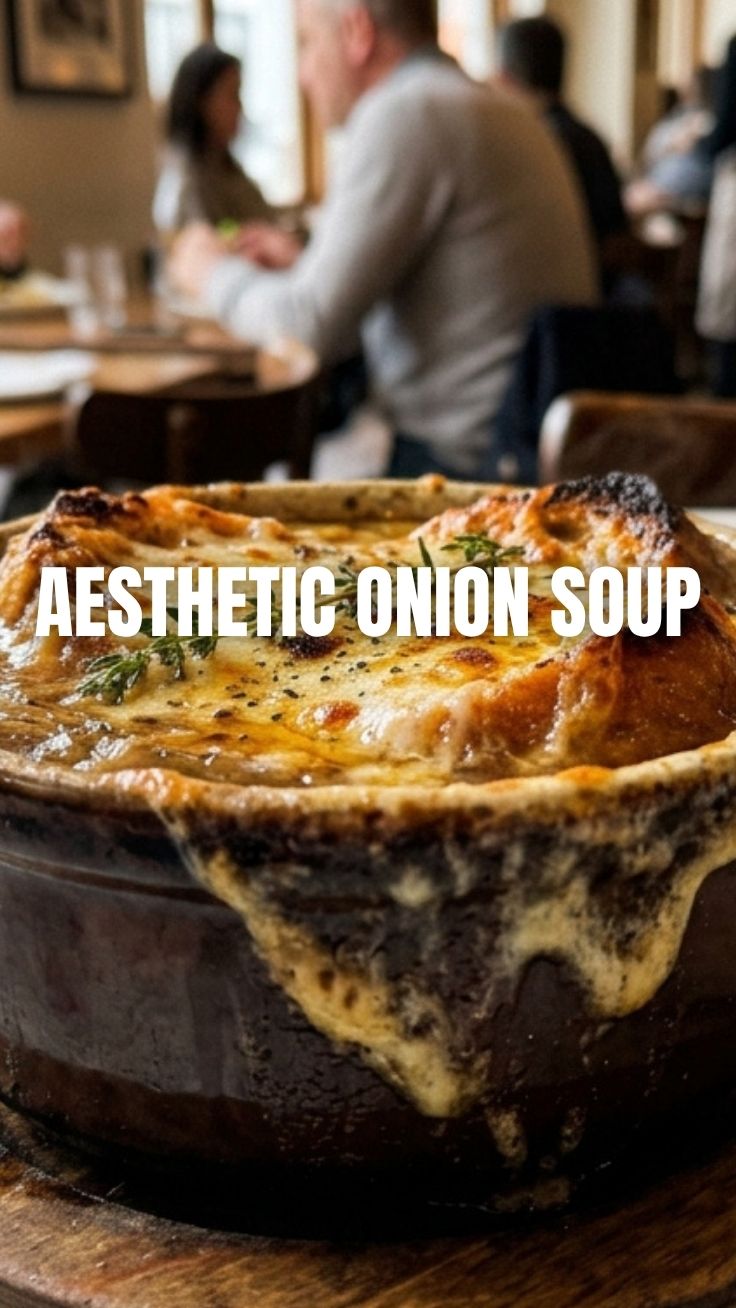
5. Assembly and Broiling: Preheat your broiler. Ladle the hot soup into oven-safe crocks. Place a toasted baguette slice on top of each bowl, ensuring it fits snugly. Generously sprinkle grated Gruyère cheese over the bread, making sure to cover it completely and allowing some cheese to melt into the broth.
6. Broil to Perfection: Carefully place the crocks under the broiler for 3-5 minutes, or until the cheese is bubbling, golden brown, and slightly crispy in spots. Watch carefully to prevent burning.
7. Serve Hot! Let the bowls cool for a minute or two before serving immediately. The soup will be extremely hot!
Nutritional Benefits & Advantages
Beyond its comforting appeal, classic French Onion Soup, when prepared with quality ingredients, offers surprising nutritional benefits. Onions are packed with prebiotics, supporting gut health, and rich in antioxidants like quercetin. Beef broth, especially homemade or high-quality store-bought, provides collagen, amino acids, and minerals beneficial for joint health and inflammation. While the cheese and bread add calories, using whole-grain bread and opting for leaner broths can make it a more wholesome and satisfying meal.
Tips, Variations & Cooking Advice
- Vegetarian Version: Substitute beef broth with a rich mushroom broth or a high-quality vegetable broth. Add a splash of tamari or soy sauce for extra umami. Omit Worcestershire sauce or use a vegan alternative.
- Gluten-Free: Use gluten-free bread for the topping.
- Cheese Alternatives: While Gruyère is traditional, Comté, Emmental, or even a sharp white cheddar can be delicious alternatives.
- Depth of Flavor: For an even richer broth, add a tablespoon of cognac or brandy after the wine has reduced, simmering for another minute before adding the beef broth.
- Make Ahead: The soup base (before topping with bread and cheese) can be made a day or two in advance and stored in the refrigerator, allowing flavors to deepen.
Common Mistakes to Avoid
- Rushing Onion Caramelization: This is the most critical step. If your onions aren’t deep brown and sweet, the soup will lack its signature rich flavor. Low and slow is the key.
- Not Enough Seasoning: Taste and adjust seasoning throughout. The broth needs to be well-seasoned to stand up to the cheese and bread.
- Overcrowding the Pot: When caramelizing onions, don’t overcrowd the pot. If necessary, cook them in batches to ensure they sauté rather than steam.
- Burning the Cheese: Broilers are powerful. Keep a close eye on the crocks to achieve a golden, bubbly top without scorching.
Storage & Meal Prep Tips
The soup base (without the bread and cheese) can be stored in an airtight container in the refrigerator for up to 3-4 days. It also freezes exceptionally well for up to 3 months. Thaw overnight in the refrigerator, then gently reheat on the stovetop. When ready to serve, simply ladle into oven-safe crocks, add toasted bread and cheese, and broil as directed. This makes it an excellent meal prep option for a comforting weeknight dinner.
Conclusion
Mastering a homemade French Onion Soup is a fulfilling culinary journey, transforming simple ingredients into a dish of profound depth and comfort. By following these steps, you’ll achieve that irresistible balance of sweet caramelized onions, savory broth, and bubbly, golden cheese that defines this classic. Don’t be intimidated; this detailed guide ensures that your endeavor into crafting the perfect Onion soup recipe is a delicious success. Share your creations and let us know how your homemade soup turns out in the comments below!
FAQs
Q1: Can I use yellow onions instead of sweet onions?
A1: Yes, yellow onions are traditionally used and work perfectly. Sweet onions (like Vidalia) can result in a slightly sweeter, milder soup, while yellow onions offer a more robust onion flavor.
Q2: What if I don’t have oven-safe crocks?
A2: You can still enjoy the soup! Ladle the soup into regular bowls and place toasted bread slices directly on top. Separately, broil grated cheese on a baking sheet until melted and lightly browned, then carefully transfer the cheesy topping onto the bread in the soup.
Q3: How can I make my broth richer?
A3: Using a high-quality, full-bodied beef stock (bone broth works wonderfully) is key. You can also add a splash of dark beer or a teaspoon of beef bouillon paste to the broth for extra depth.
Q4: My onions aren’t caramelizing, they’re just steaming. What’s wrong?
A4: This usually happens if the heat is too high or the pot is overcrowded, causing moisture to build up. Ensure you’re cooking on medium-low heat and give the onions plenty of space. Cook in batches if necessary, and be patient; true caramelization takes time.
Q5: Can I add other vegetables to the soup?
A5: While not traditional, a small amount of finely diced carrots or celery can be added with the onions for extra flavor and nutrients. Just be mindful not to overpower the star of the show – the onions!