Master Creamy Fettuccine Alfredo: Your Ultimate Homemade Guide!
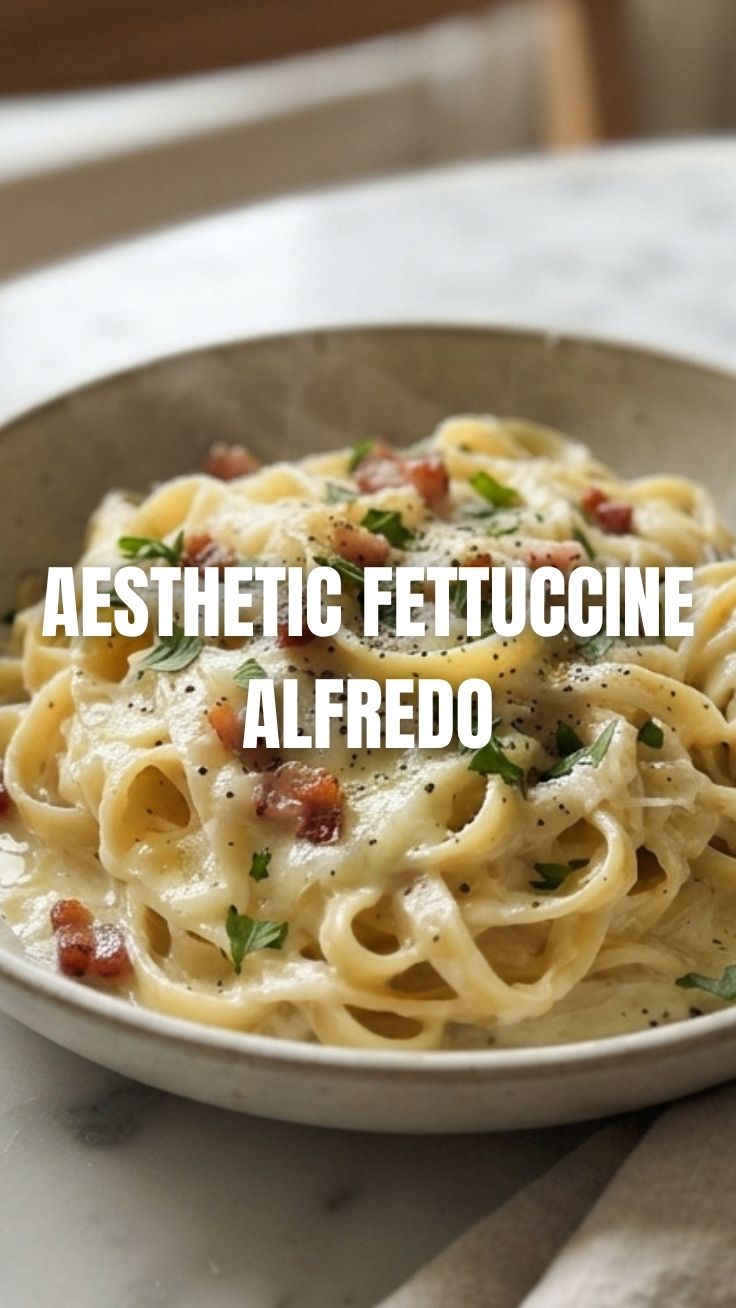
Are you tired of bland, watery alfredo sauces from a jar? Do you crave that rich, velvety restaurant-quality experience right in your own kitchen? Mastering homemade Fettuccine Alfredo is not just about cooking; it’s about crafting a culinary masterpiece that delights the senses and impresses your family and friends. This guide will walk you through every step, ensuring your homemade Pasta sauce recipes reaches new heights of deliciousness. From selecting the finest ingredients to achieving that perfect creamy consistency, we’re here to transform your cooking game.
Ingredients & Kitchen Tools
Crafting the perfect Alfredo requires a few key items. Here’s what you’ll need:
- Fettuccine Pasta (1 lb): The classic choice due to its wide, flat surface, perfect for clinging to the rich sauce. You can substitute with linguine or tagliatelle.
- Unsalted Butter (½ cup, 1 stick): Essential for flavor and a smooth emulsion. Unsalted gives you control over the sodium content.
- Heavy Cream (2 cups): The backbone of our creamy sauce. Full-fat heavy cream is non-negotiable for that luxurious texture.
- Parmigiano-Reggiano Cheese (1 ½ cups, freshly grated): Please, no pre-grated cheese! Freshly grated melts beautifully and offers superior flavor.
- Garlic (2-3 cloves, minced): Adds an aromatic depth. Adjust to your preference.
- Nutmeg (¼ teaspoon, freshly grated): A secret ingredient that subtly enhances the richness of the cream and cheese.
- Salt (to taste): Start with a little and adjust at the end.
- Black Pepper (to taste, freshly ground): For a piquant counterpoint.
- Pasta Water (½ cup, reserved): Starchy pasta water is your secret weapon for achieving the perfect sauce consistency and helping it adhere to the pasta.
Kitchen Tools:
- Large Pot: For boiling the pasta.
- Large Skillet or Dutch Oven: To make the sauce.
- Whisk: For emulsifying the sauce.
- Grater: For fresh Parmigiano-Reggiano.
- Tongs: For tossing pasta with sauce.
- Measuring Cups and Spoons: For accurate ingredient quantities.
Prep Time & Cooking Schedule
- Prep Time: 10 minutes
- Cook Time: 20 minutes (including pasta cooking)
- Total Time: 30 minutes
This recipe is designed for efficiency, making it perfect for a weeknight meal or a quick impressive dinner. Start by gathering all your ingredients (mise en place!), then boil your pasta while you begin the sauce. This parallel cooking approach ensures everything is ready at just the right time for maximum freshness and flavor.
Step-by-Step Instructions
1. Cook the Fettuccine: Bring a large pot of heavily salted water to a rolling boil. Add the fettuccine and cook according to package directions until al dente. Before draining, reserve about ½ to 1 cup of the starchy pasta water. Drain the pasta and set aside.
2. Melt the Butter: In a large skillet or Dutch oven over medium heat, melt the unsalted butter.
3. Sauté Garlic: Add the minced garlic to the melted butter and sauté for about 1 minute until fragrant. Be careful not to brown the garlic, as it can turn bitter.
4. Add Heavy Cream: Pour in the heavy cream and whisk gently. Bring the mixture to a gentle simmer, but do not let it boil vigorously. Reduce the heat to low.
5. Incorporate Cheese and Seasonings: Gradually add the freshly grated Parmigiano-Reggiano cheese, whisking continuously until the cheese has melted and the sauce is smooth. Stir in the freshly grated nutmeg, salt, and black pepper.
6. Combine Pasta and Sauce: Add the drained Fettuccine Alfredo directly to the skillet with the sauce. Toss well using tongs to ensure every strand is coated.
7. Adjust Consistency: If the sauce is too thick, add a tablespoon or two of the reserved pasta water at a time, continuing to toss until you reach your desired creamy consistency. This is crucial for creating that perfect, glossy Pasta sauce recipes texture.
8. Serve Immediately: Garnish with extra grated Parmigiano-Reggiano and freshly ground black pepper.
Nutritional Benefits & Advantages
While often seen as an indulgent dish, homemade Alfredo can offer some surprising benefits. Dairy products like heavy cream and Parmigiano-Reggiano are excellent sources of calcium and protein, essential for bone health and muscle repair. Fresh garlic boasts immune-boosting properties. By making it at home, you control the quality of ingredients, avoiding artificial additives and excessive sodium often found in store-bought versions. It’s a satisfying meal that provides energy and keeps you full.
Tips, Variations & Cooking Advice
- Protein Boost: Add grilled chicken, sautéed shrimp, or even pan-seared mushrooms for a complete meal.
- Green Power: Stir in steamed broccoli florets, spinach, or peas for added vegetables and color.
- Spice It Up: A pinch of red pepper flakes can add a subtle kick.
- Gluten-Free: Use your favorite gluten-free fettuccine alternative.
- Dairy-Free: This is a trickier substitution, but plant-based heavy creams and nutritional yeast or cashew-based cheese sauces can be used for a dairy-free approximation.
- Herbs: Fresh parsley or chives stirred in at the end add a touch of freshness.
Common Mistakes to Avoid
- Overcooking Pasta: Al dente pasta holds its shape and texture better when tossed with the rich sauce.
- Using Pre-Grated Cheese: These often contain anti-caking agents that prevent smooth melting and can result in a grainy sauce. Always grate your own!
- Overheating the Sauce: Simmer gently; don’t boil. High heat can cause the cream to separate and the sauce to become oily.
- Not Reserving Pasta Water: This starchy liquid is magic! It helps bind the sauce and create that silky emulsion.
- Adding Cold Pasta to Hot Sauce: Slightly warm the drained pasta before adding it to the sauce to prevent temperature shock and ensure even coating.
Storage & Meal Prep Tips
Fettuccine Alfredo is best enjoyed immediately. However, if you have leftovers, store them in an airtight container in the refrigerator for up to 2-3 days. Reheating can be tricky as the sauce may separate. To reheat, gently warm in a skillet over low heat, adding a splash of milk or cream and a tiny bit more grated Parmigiano-Reggiano, whisking constantly until smooth and heated through. Freezing is generally not recommended as the cream-based sauce tends to separate upon thawing.
Conclusion
Crafting a luscious, restaurant-quality Fettuccine Alfredo at home is an incredibly rewarding experience. By following this detailed guide, you’ve unlocked the secrets to a perfect creamy sauce that will undoubtedly become a staple in your culinary repertoire. The dance between tender fettuccine and a velvety, cheese-infused, homemade Pasta sauce recipes delivers comfort and elegance in every bite. We encourage you to try this recipe, experiment with the variations, and share your delightful results!
FAQs
Q1: Can I use milk instead of heavy cream?
A1: While you can, heavy cream is crucial for the rich texture and stability of traditional Alfredo. Milk will result in a much thinner sauce that is prone to separating.
Q2: My sauce is grainy. What went wrong?
A2: This usually happens if the cheese wasn’t grated fresh, or if the heat was too high, causing the cheese proteins to seize. Ensure your cheese is fresh and you’re cooking over low to medium-low heat.
Q3: How can I make my Alfredo sauce thicker?
A3: If your sauce is too thin, gently simmer it for a few more minutes, stirring often, to allow it to reduce slightly. Avoid adding flour or cornstarch, as this will change the characteristic texture of Alfredo. A little extra finely grated Parmigiano-Reggiano can also help.
Q4: Can I prepare the sauce ahead of time?
A4: Alfredo sauce is best made fresh. If you must prepare it ahead, make it no more than a few hours in advance, and store it in a covered saucepan at room temperature. Reheat gently over low heat, adding a splash of cream or milk and whisking constantly.
Q5: What’s the best way to get the cheese to melt smoothly?
A5: Use freshly grated, good-quality Parmigiano-Reggiano, add it gradually, and ensure your cream is at a gentle simmer, not a rolling boil. Consistent whisking helps a lot.