Golden Perfection: Unleashing the Magic of Homemade Cornbread
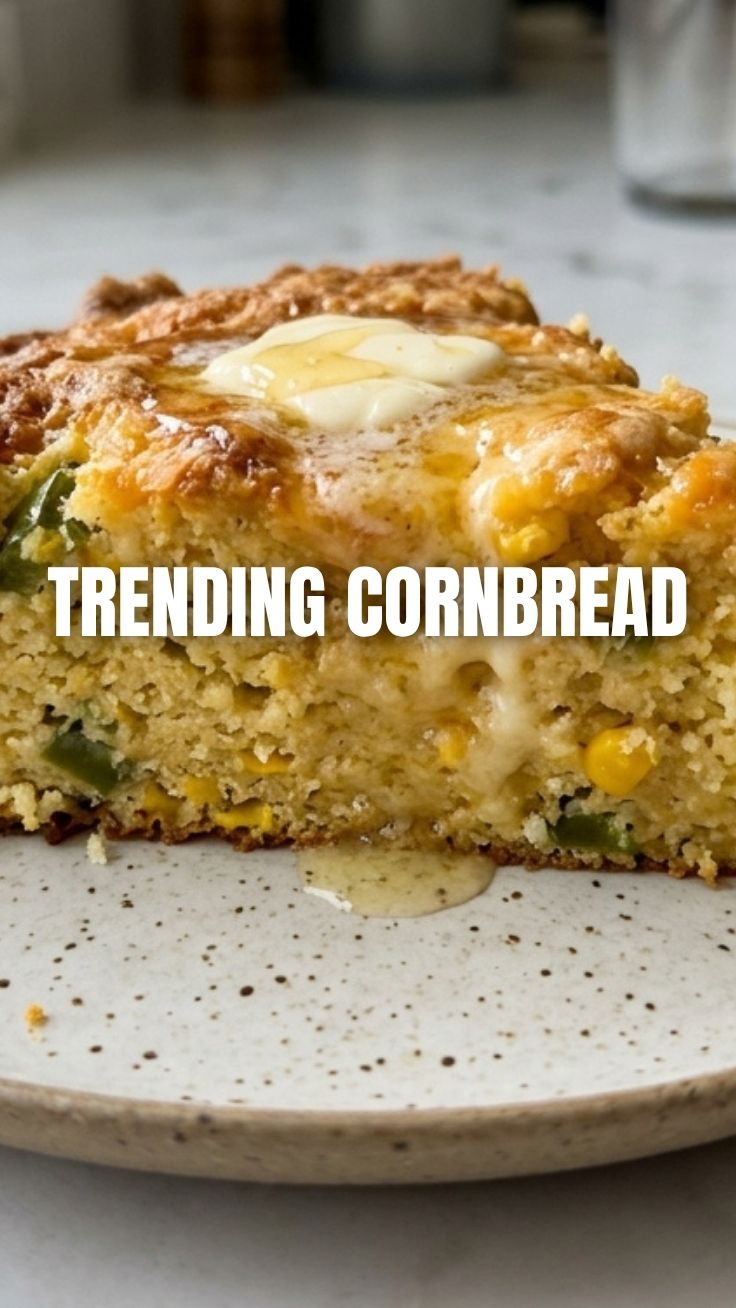
Ever wondered what makes a meal truly comforting, truly soul-satisfying? Often, it’s the simple, classic dishes, prepared with love, that resonate deepest. Today, we’re diving into the delightful world of perfectly crafted Cornbread – a staple that graces tables from humble family gatherings to festive celebrations. Preparing it at home isn’t just about saving a few dollars; it’s about crafting an experience, infusing your kitchen with tantalizing aromas, and enjoying a taste that store-bought versions simply can’t replicate. Learning how to make Homemade cornbread unlocks a level of freshness and customizable flavor that truly elevates any meal. Get ready to transform basic ingredients into a golden culinary masterpiece!
Ingredients & Kitchen Tools
Here’s everything you’ll need to bake the ultimate Cornbread:
- 1 ½ cups Yellow Cornmeal: Opt for medium-ground for the best texture – not too fine, not too coarse.
- ½ cup All-Purpose Flour: Provides structure and helps create a tender crumb. Gluten-free flour blends can be substituted for a GF version.
- ¼ cup Granulated Sugar: Just enough to balance the flavors without making it overly sweet. Adjust to your preference.
- 2 teaspoons Baking Powder: The leavening agent that gives our cornbread its rise and lightness.
- ½ teaspoon Baking Soda: Works with the buttermilk to provide extra lift and a tender texture.
- ½ teaspoon Salt: Enhances all the other flavors.
- 1 large Egg: Binds the ingredients together and adds richness.
- 1 ½ cups Buttermilk: The secret to moist and tender cornbread. If you don’t have buttermilk, add 1 tablespoon of lemon juice or white vinegar to regular milk and let it sit for 5 minutes.
- ½ cup Unsalted Butter, melted: Adds irresistible flavor and moisture. Lard or bacon fat can be used for a richer, more savory flavor.
- Optional additions: ¼ cup chopped jalapeños for a spicy kick, ½ cup shredded cheddar cheese for a savory twist, or a handful of fresh corn kernels for texture.
Kitchen Tools:
- 9-inch Cast Iron Skillet or 8×8 inch Baking Pan: Cast iron creates an unbeatable crispy crust.
- Large Mixing Bowl: For combining all your dry and wet ingredients.
- Whisk: To thoroughly blend dry ingredients and lightly beat the egg.
- Measuring Cups & Spoons: Essential for accurate ingredient proportions.
- Pastry Brush: To grease the pan (if not using non-stick).
Prep Time & Cooking Schedule
- Prep Time: 10 minutes
- Cook Time: 20-25 minutes
- Resting Time: 5-10 minutes (essential for flavors to meld and for easier slicing)
This recipe is incredibly quick! You can have freshly baked cornbread on your table in under an hour, making it perfect for a weeknight dinner accompaniment or a last-minute potluck contribution. Preheating your oven and skillet simultaneously ensures that crisp, golden crust from the get-go.
Step-by-Step Instructions
1. Preheat & Prepare: Preheat your oven to 400°F (200°C). If using a cast-iron skillet, place it in the oven while it preheats to get it piping hot. This helps achieve that coveted crispy exterior on your Cornbread. Melt your butter and set it aside to cool slightly.
2. Combine Dry Ingredients: In a large mixing bowl, whisk together the cornmeal, all-purpose flour, granulated sugar, baking powder, baking soda, and salt. Ensure there are no lumps and the ingredients are evenly distributed.
3. Mix Wet Ingredients: In a separate bowl, lightly beat the egg. Add the buttermilk and the slightly cooled melted butter. Whisk until just combined.
4. Combine Wet and Dry: Pour the wet ingredients into the dry ingredients. Stir gently with a spoon or spatula until just combined. Be careful not to overmix; a few small lumps are perfectly fine and indicate a tender crumb. Overmixing can lead to tough cornbread. If adding optional jalapeños or cheese, fold them in now.
5. Bake: Carefully remove the hot skillet from the oven (use oven mitts!). Swirl a tablespoon of melted butter or a neutral oil around the skillet if it’s not already greased. Pour the batter into the hot skillet. Bake for 20-25 minutes, or until the top is golden brown and a wooden skewer inserted into the center comes out clean.
6. Cool & Serve: Let your delicious Homemade cornbread rest in the skillet for 5-10 minutes before slicing and serving. This allows it to set up and makes for cleaner slices.
Nutritional Benefits & Advantages
Cornbread, especially when made from scratch, offers some surprising nutritional advantages. Yellow cornmeal is a good source of dietary fiber, which aids digestion and promotes satiety. It also contains several B vitamins, such as thiamine and niacin, essential for energy metabolism. The protein from the egg and the calcium from the buttermilk contribute to a well-rounded snack or side dish. By controlling the sugar and fats, homemade versions are often healthier than many store-bought alternatives, allowing you to enjoy this comfort food with less guilt.
Tips, Variations & Cooking Advice
- Sweet vs. Savory: Adjust the sugar to your liking. For a more savory cornbread, omit the sugar or replace it with a pinch of paprika and a dash of cayenne pepper.
- Fat Choices: While butter is classic, try bacon fat or lard for a truly authentic, Southern-style flavor profile. The rendered fat adds incredible depth.
- Buttermilk Substitute: Don’t have buttermilk? Mix 1 ½ cups of regular milk with 1 ½ tablespoons of white vinegar or lemon juice. Let it sit for 5 minutes until it curdles slightly.
- Gluten-Free: Substitute the all-purpose flour with a 1:1 gluten-free baking blend. Ensure your cornmeal is certified gluten-free.
- Add-ins: Get creative! Chopped green chilies, bell peppers, fresh herbs like chives, or even crispy bacon bits can transform the flavor.
- Muffin Form: Pour the batter into a greased muffin tin for individual portions. Reduce baking time to 15-20 minutes.
Common Mistakes to Avoid
- Overmixing the Batter: This is the cardinal sin of cornbread baking! Overmixing develops the gluten in the flour, resulting in a tough, rubbery texture. Mix until just combined.
- Using Cold Ingredients: Ensure your egg and buttermilk are at room temperature. This helps them incorporate more smoothly into the batter and ensures even baking.
- Not Preheating the Skillet: A hot skillet is crucial for that crispy, golden crust that makes cornbread so irresistible. Don’t skip this step!
- Skipping the Rest: While tempting to dive right in, letting the cornbread rest for a few minutes after baking allows the internal structure to set, preventing it from crumbling when sliced.
- Baking at the Wrong Temperature: Too low, and it won’t get that golden crust; too high, and the outside will brown before the inside cooks through. Stick to 400°F (200°C).
Storage & Meal Prep Tips
- Storage: Once completely cooled, wrap leftover cornbread tightly in plastic wrap or aluminum foil, or store it in an airtight container at room temperature for up to 3 days. For longer storage, refrigerate for up to 5 days.
- Freezing: Slice the cornbread into individual portions, wrap each slice tightly in plastic wrap, then place them in a freezer-safe bag or container. It can be frozen for up to 3 months.
- Reheating: To reheat, place slices in a preheated oven at 300°F (150°C) for 10-15 minutes, or until warmed through. You can also briefly toast slices in a toaster oven for extra crispness. Avoid microwave reheating if you want to maintain texture; it can make cornbread spongy.
- Meal Prep Uses: Leftover cornbread is fantastic crumbled into chili, used as a topping for savory casseroles, or transformed into a delicious cornbread dressing for holidays.
Conclusion
Mastering the art of Cornbread is a delightful journey, yielding a versatile and comforting dish that truly brightens any meal. From its simple ingredients to its satisfying texture, there’s a reason this golden gem holds a special place in kitchens worldwide. We hope this guide empowers you to bake your most delicious batch yet. Share your golden creations in the comments below, or tell us your favorite way to enjoy Homemade cornbread! What are you waiting for? Your kitchen is calling!
FAQs
1. Can I use white cornmeal instead of yellow? Yes, you can use white cornmeal. It will result in a slightly paler cornbread with a subtly different, often milder, corn flavor.
2. My cornbread came out dry. What went wrong? Overmixing the batter, baking it for too long, or using too little liquid are common culprits for dry cornbread. Ensure your oven temperature is accurate and mix just until combined.
3. How can I make my cornbread sweeter? You can increase the amount of sugar to ½ cup or even ¾ cup for a sweeter cornbread. Adding a drizzle of honey or maple syrup to the batter is another way to boost sweetness.
4. Can I make this recipe in a regular baking dish instead of cast iron? Absolutely! An 8×8 inch square baking dish or a 9-inch round cake pan works perfectly. Just make sure to grease it well, and you might lose a little of that signature crispy crust.
5. What are good pairings for cornbread? Cornbread is classically served with chili, stews, baked beans, collard greens, or fried chicken. It’s also delicious with butter, honey, or a savory jam.