The Secret to the Perfect Golden Cornbread: Your New Family Favorite
Ever wondered what makes a truly exceptional Cornbread? Is it the crispy edges, the moist, tender crumb, or the rich, golden hue? For many, it’s the taste of home, a comforting staple that perfectly complements a hearty meal or shines as a sweet treat. Preparing this classic at home isn’t just about saving money; it’s about crafting a dish that’s infused with love, personalized to your family’s preferences, and free from the preservatives often found in store-bought alternatives. Plus, mastering this recipe opens the door to countless delightful cornbread recipes variations you’ll cherish.
Ingredients & Kitchen Tools
To embark on this golden culinary journey, gather these essentials:
- 1 ½ cups Yellow Cornmeal: The heart of our Cornbread. Use a good quality medium-ground cornmeal for the best texture.
- ½ cup All-Purpose Flour: Provides structure and lightness. (For gluten-free, substitute with a 1:1 gluten-free flour blend).
- ¼ cup Granulated Sugar: Balances the savory notes and promotes browning. Adjust to your sweetness preference.
- 1 tbsp Baking Powder: The leavening agent that gives our cornbread its rise.
- ½ tsp Salt: Enhances all the flavors.
- 1 ¼ cups Buttermilk: Adds moisture, tenderness, and a slight tang. (If you don’t have buttermilk, combine 1 ¼ cups milk with 1 tbsp white vinegar or lemon juice and let it sit for 5 minutes).
- ½ cup Unsalted Butter, melted: For richness and flavor. Can be substituted with an equal amount of vegetable oil for a dairy-free version.
- 1 Large Egg: Binds the ingredients and adds structure.
- Cast Iron Skillet (10-inch) or 9×9 inch Baking Pan: Ideal for achieving that coveted crispy crust.
- Mixing Bowls (large and medium): For combining wet and dry ingredients.
- Whisk: To ensure all ingredients are well incorporated.
- Spatula: For stirring and transferring batter.
Prep Time & Cooking Schedule
- Prep Time: 10 minutes
- Cook Time: 20-25 minutes
- Resting Time: 5-10 minutes (after baking, before slicing)
This recipe is incredibly quick to prepare, making it perfect for a weeknight side dish or a last-minute potluck contribution. Preheating your oven and skillet is crucial for that perfect crust, so factor that into your planning. The short resting time allows the Cornbread to set, making it easier to slice and preventing it from crumbling.
Step-by-Step Instructions
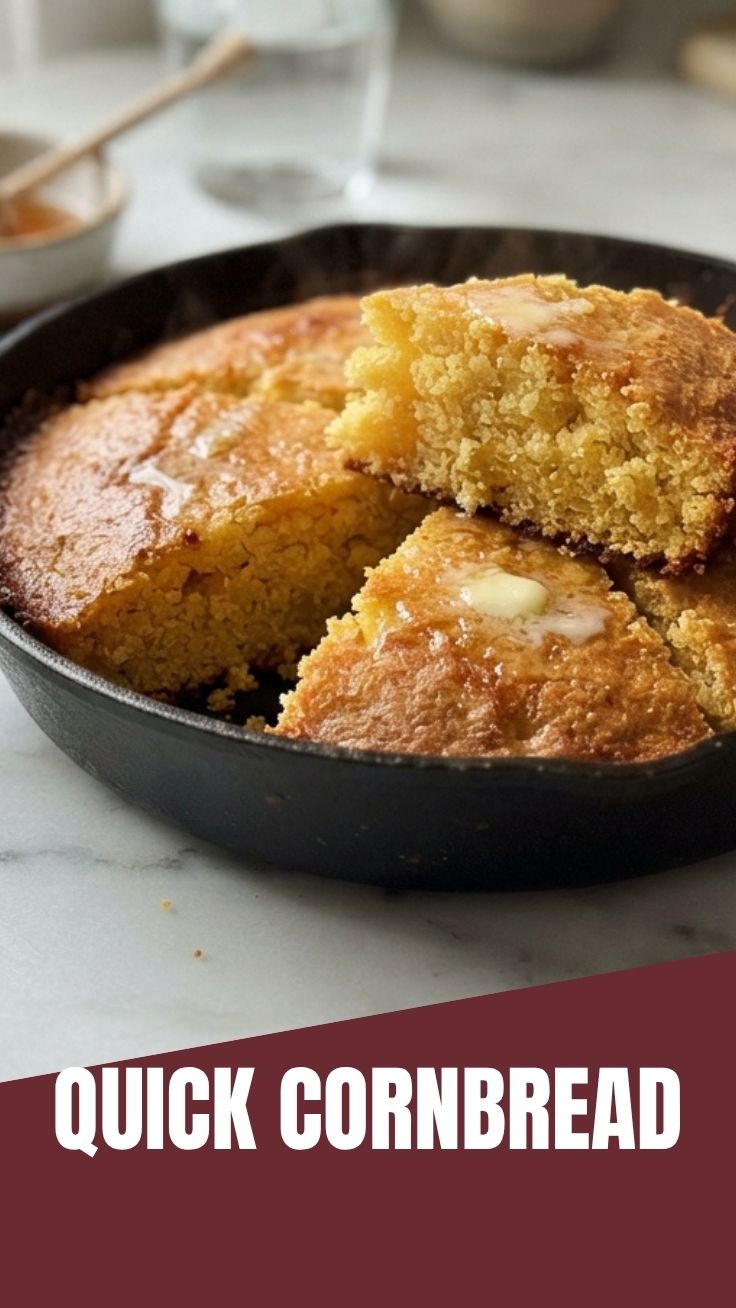
1. Preheat & Prepare: Preheat your oven to 400°F (200°C). If using a cast iron skillet, place it in the oven while it preheats. This ensures a beautifully crispy bottom. If using a baking pan, lightly grease it.
2. Combine Dry Ingredients: In a large mixing bowl, whisk together the yellow cornmeal, all-purpose flour, granulated sugar, baking powder, and salt. Ensure there are no lumps for an even texture.
3. Combine Wet Ingredients: In a separate medium bowl, whisk the buttermilk, melted butter, and egg until well combined.
4. Combine & Mix: Pour the wet ingredients into the dry ingredients. Stir just until moistened. Be careful not to overmix; a few small lumps are fine and will result in a more tender Cornbread. Overmixing develops gluten, leading to a tougher texture, which we want to avoid for this.
5. Pour & Bake: Carefully remove the hot skillet from the oven (use oven mitts!). If you want an extra crispy bottom, add a tablespoon of butter or oil to the hot skillet, let it melt, then swirl to coat before pouring in the batter. Pour the batter evenly into the hot skillet or prepared baking pan. Bake for 20-25 minutes, or until the top is golden brown and a wooden skewer or toothpick inserted into the center comes out clean.
6. Cool & Serve: Let the Cornbread cool in the pan for 5-10 minutes before slicing and serving. This allows it to firm up and prevents crumbling. Enjoy your beautifully baked cornbread with your favorite meal or as a standalone treat. Keep exploring delicious cornbread recipes to expand your culinary repertoire!
Nutritional Benefits & Advantages
Cornbread, particularly when made with quality cornmeal, offers several nutritional benefits. Cornmeal is a good source of dietary fiber, which aids digestion and promotes satiety. It also contains essential minerals like iron, magnesium, and phosphorus, and B vitamins such as thiamine and niacin, which are crucial for energy metabolism. While this recipe contains some sugar and butter, opting for healthier fats or reducing sugar can further enhance its nutritional profile. It’s a comforting food that, in moderation, can be part of a balanced diet.
Tips, Variations & Cooking Advice
- Sweet vs. Savory: For a sweeter Cornbread, increase sugar to ½ cup. For a savory version, reduce sugar to 1-2 tablespoons and add chopped jalapeños, shredded cheddar cheese, or cooked bacon bits to the batter.
- Buttermilk Substitute: As mentioned, you can make your own by adding a tablespoon of white vinegar or lemon juice to regular milk and letting it sit for 5 minutes.
- Flavor Boosts: Incorporate a touch of honey or molasses into the wet ingredients for a richer, deeper flavor.
- Gluten-Free: Substitute the all-purpose flour with a 1:1 gluten-free baking blend. The texture will be slightly different but still delicious.
- Dairy-Free: Use a dairy-free milk alternative (like almond or soy milk, with a tablespoon of vinegar for “buttermilk”) and melted coconut oil or vegetable oil instead of butter.
- Muffins: Pour the batter into a greased muffin tin for individual cornbread muffins. Bake for 15-18 minutes.
Common Mistakes to Avoid
- Overmixing: This is the cardinal sin of Cornbread. Overmixing develops the gluten in the flour, resulting in a tough, dense crumb instead of a tender, flaky one. Mix just until combined.
- Cold Skillet/Pan: Baking in a cold pan prevents that desired crispy golden crust. Always preheat your cast iron skillet or use a well-greased baking pan.
- Underbaking: An underbaked Cornbread will be doughy and collapse. Ensure a toothpick inserted into the center comes out clean.
- Incorrect Ingredients: Using self-rising cornmeal with added baking powder can lead to too much rise and a crumbly texture. Stick to plain cornmeal and follow the recipe’s leavening agents.
Storage & Meal Prep Tips
Leftover Cornbread should be stored in an airtight container at room temperature for up to 2-3 days, or in the refrigerator for up to 5 days. To reheat, microwave individual slices for 15-30 seconds, or warm in a preheated oven at 300°F (150°C) for 5-10 minutes until heated through. Cornbread also freezes well; wrap individual slices tightly in plastic wrap, then aluminum foil, and store in a freezer-safe bag for up to 3 months. Thaw at room temperature or reheat directly from frozen.
Conclusion
Mastering the art of perfect Cornbread is a rewarding culinary achievement that brings warmth and flavor to any table. This versatile dish, whether served alongside chili, stew, or enjoyed on its own, is a testament to the simple joy of home cooking. We encourage you to try this recipe, experiment with the delightful cornbread recipes variations, and discover your own family’s favorite. Share your creations in the comments below – we’d love to hear how your golden, delicious cornbread turned out!
FAQs
Q1: Can I use white cornmeal instead of yellow?
A1: Yes, you can. White cornmeal will result in a lighter-colored cornbread with a slightly milder flavor, but the texture will be similar.
Q2: My cornbread turned out dry. What went wrong?
A2: Dry cornbread is usually a sign of overbaking or too much flour. Ensure you measure accurately and bake only until a toothpick comes out clean. Adding a bit more buttermilk next time can also help.
Q3: Can I add cheese and jalapeños?
A3: Absolutely! For a savory twist, fold in ½ cup shredded cheddar cheese and ¼ cup finely diced pickled or fresh jalapeños into the batter before baking.
Q4: How can I make my cornbread sweeter?
A4: You can increase the granulated sugar to ½ cup, or even add a couple of tablespoons of honey or maple syrup to the wet ingredients for added sweetness and moistness.
Q5: Is it possible to make this recipe vegan?
A5: Yes! To make it vegan, replace the buttermilk with a plant-based milk (like almond or soy) soured with vinegar or lemon juice, use a flax egg (1 tbsp ground flaxseed mixed with 3 tbsp water per egg), and substitute butter with melted coconut oil or vegetable oil.