The Ultimate Guide to Crafting the Freshest Caprese Salad at Home
Are you searching for a dish that effortlessly combines vibrant flavors, simple ingredients, and a touch of Italian elegance? Look no further than the classic Caprese Salad. This iconic Italian Appetizer is a celebration of freshness, showcasing the best of garden-grown produce. Preparing this delightful salad at home offers an unparalleled experience, allowing you to control the quality of every ingredient, from the succulent tomatoes to the creamy mozzarella. Not only is it remarkably easy to assemble, but it also delivers an impressive burst of flavor that will transport your taste buds straight to the sun-drenched coasts of Italy.
Ingredients & Kitchen Tools
Here’s everything you’ll need to create your perfect Caprese masterpiece:
- Fresh Tomatoes (3-4 large, ripe): Heirloom, beefsteak, or Roma varieties work best. Look for firm, fragrant tomatoes.
- Fresh Mozzarella (8 oz / 225g): Bocconcini (small balls) or a large ball of fresh mozzarella, drained. Avoid the pre-shredded variety; fresh is key for texture.
- Fresh Basil Leaves (1 cup, packed): Essential for that signature aromatic flavor. Choose vibrant, unblemished leaves.
- Extra Virgin Olive Oil (3-4 tbsp): A high-quality oil will greatly enhance the flavor profile.
- Balsamic Glaze (2-3 tbsp): Store-bought or homemade. Adds a sweet and tangy counterpoint.
- Sea Salt (to taste): Coarse sea salt provides a nice textural crunch.
- Freshly Ground Black Pepper (to taste): For a subtle kick.
Kitchen Tools:
- Sharp Knife: For precise slicing of tomatoes and mozzarella.
- Cutting Board: A stable surface for preparation.
- Serving Platter or Plate: To beautifully arrange your salad.
- Small Bowl/Whisk (optional): If making homemade balsamic glaze.
Optional Substitutions:
- Cherry Tomatoes: If large tomatoes aren’t available, cherry tomatoes can be halved for a more bite-sized option.
- Burrata Cheese: For an even creamier, richer experience, substitute fresh mozzarella with burrata.
Prep Time & Cooking Schedule
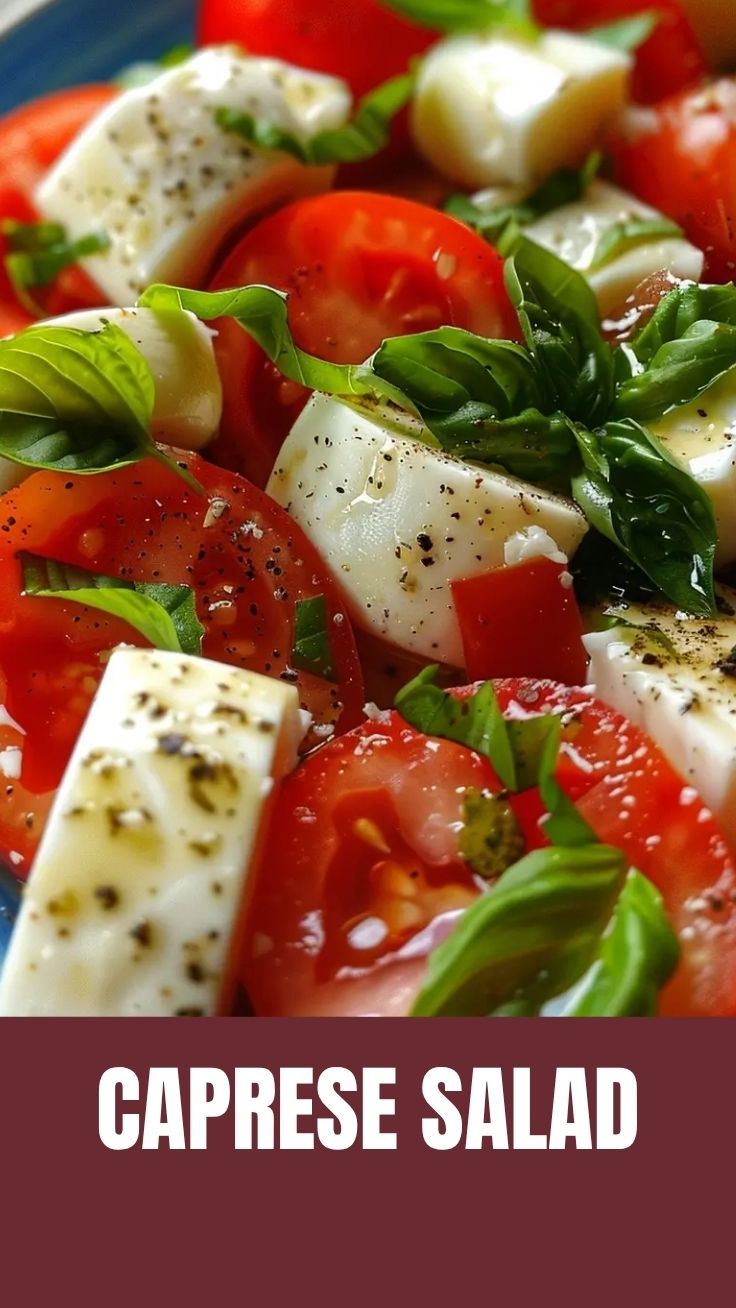
This recipe is blissfully quick, making it perfect for last-minute gatherings or a simple weeknight meal.
- Prep Time: 15 minutes
- Cooking Time: 0 minutes (no cooking required!)
- Resting Time: 5-10 minutes (optional, allows flavors to meld)
To plan your serving, prepare the salad just before you intend to eat it. While a short resting period helps marry the flavors, preparing too far in advance can cause the basil to wilt and the tomatoes to become watery.
Step-by-Step Instructions
Crafting the perfect Caprese Salad is all about careful layering and quality ingredients. Follow these simple steps for a truly authentic experience:
1. Prepare the Tomatoes: Wash your tomatoes thoroughly. Using a sharp knife, slice the tomatoes into 1/4 to 1/2-inch thick rounds. If using cherry tomatoes, simply halve them. Arrange them artfully on your serving platter.
2. Slice the Mozzarella: Drain the fresh mozzarella. Slice it into similar-sized rounds as your tomatoes. For bocconcini, you can leave them whole or halve them. Arrange the mozzarella slices alternately with the tomato slices on the platter.
3. Add the Basil: Tear or gently place fresh basil leaves between the tomato and mozzarella slices. You can also sprinkle whole leaves over the top for a vibrant green garnish.
4. Season Generously: Drizzle the entire salad with high-quality extra virgin olive oil. Season generously with sea salt and freshly ground black pepper.
5. Drizzle with Balsamic Glaze: Finish your masterpiece with a delicate drizzle of balsamic glaze. This adds a beautiful sheen and a crucial sweet-tangy element to this classic Italian Appetizer.
6. Serve Immediately: For the best flavor and texture, serve your Caprese Salad fresh.
Nutritional Benefits & Advantages
Beyond its delightful taste, Caprese Salad offers several nutritional perks. Tomatoes are rich in lycopene, a powerful antioxidant, and Vitamin C, which supports immune health. Fresh mozzarella provides protein and calcium. Basil, a fragrant herb, contains antioxidants and vitamins K and A. Olive oil, a staple of the Mediterranean diet, is packed with healthy monounsaturated fats. This salad is naturally gluten-free and can be a heart-healthy choice when enjoyed in moderation.
Tips, Variations & Cooking Advice
- Tomato Quality: The success of Caprese hinges on ripe, flavorful tomatoes. Buy in season!
- Mozzarella Choice: Experiment with buffalo mozzarella for an even more luxurious, creamy texture.
- Flavor Boost: For an extra layer of flavor, lightly crush a garlic clove and rub it over the serving platter before arranging the ingredients.
- Pesto Drizzle: Instead of or in addition to balsamic glaze, a drizzle of fresh pesto can add another dimension.
- Grilling: Gently grill the tomato and mozzarella slices for a smoky variation.
- Skewer Version: For appetizers, thread cherry tomatoes, small mozzarella balls, and basil leaves onto skewers.
- Dietary Adaptations: This dish is naturally vegetarian and gluten-free. For a dairy-free version, consider using plant-based mozzarella alternatives.
Common Mistakes to Avoid
- Using Non-Fresh Mozzarella: Pre-shredded or low-moisture mozzarella will completely change the texture and flavor. Stick to fresh.
- Over-Dressing: Drizzle sparsely with olive oil and balsamic glaze; the goal is to enhance, not drown, the natural flavors.
- Wilting Basil: Add basil just before serving or tear it gently to prevent bruising and wilting.
- Cold Tomatoes: Avoid refrigerating tomatoes; it dulls their flavor and can make them mealy. Store them at room temperature.
- Pre-Salting: Salting too early can draw out excess moisture from the tomatoes, making the salad watery. Salt just before serving.
Storage & Meal Prep Tips
Caprese Salad is best enjoyed fresh. However, if you have leftovers:
- Refrigeration: Store any remaining salad in an airtight container in the refrigerator for up to 1-2 days.
- Separating Components: For optimal freshness if intending to store, keep sliced tomatoes, mozzarella, and basil separate until just before serving. This prevents the basil from wilting and the tomatoes from becoming too watery.
- Reheating: This salad is typically served cold or at room temperature, so no reheating is necessary. Allow refrigerated leftovers to come to room temperature for about 15-20 minutes before serving.
Conclusion
The Caprese Salad is more than just a dish; it’s an experience – a testament to the beauty of simple, high-quality ingredients. By following this guide, you can easily create a stunning and delicious Italian Appetizer, perfect for any occasion. We encourage you to try this recipe, savor its fresh flavors, and perhaps even share your own unique twists! What are your favorite Caprese variations? Let us know in the comments below!
FAQs
Q1: Can I use dried basil instead of fresh?
A1: While technically possible, fresh basil is absolutely essential for the authentic taste and aroma of Caprese Salad. Dried basil has a different, much more concentrated flavor profile that won’t give you the same vibrant results.
Q2: How do I make my own balsamic glaze?
A2: To make balsamic glaze, simply simmer balsamic vinegar in a small saucepan over medium-low heat until it reduces by about half and thickens to a syrupy consistency. Be careful not to let it burn, and watch it closely towards the end of the cooking time.
Q3: What’s the best way to get ripe tomatoes?
A3: Look for tomatoes that are firm, fragrant, and heavy for their size. Their color should be uniformly rich, and they should yield slightly to gentle pressure. Shopping at farmers’ markets during tomato season is often your best bet.
Q4: Can I add other vegetables to Caprese Salad?
A4: While the traditional Caprese is strictly tomatoes, mozzarella, and basil, you can certainly experiment! Some variations include adding avocado, cucumber, or even small amounts of red onion for extra crunch and flavor.
Q5: How far in advance can I slice the ingredients?
A5: You can slice the mozzarella a few hours in advance and keep it refrigerated. Slicing tomatoes should ideally be done within an hour or two of serving to prevent them from becoming watery. Basil should be added right before serving.