Unlock Unforgettable Flavor: Your Guide to the Ultimate Homemade Beef Stew
Ever wondered how to capture that rich, comforting essence of a truly exceptional Beef Stew right in your own kitchen? There’s an undeniable magic in a bubbling pot of savory meat and tender vegetables, a magic that elevates a simple meal into a cherished memory. Preparing this hearty classic at home isn’t just about saving money; it’s about customizing flavors, ensuring quality ingredients, and experiencing the pure joy of creating something deeply satisfying. And for those busy days, mastering a delicious slow cooker beef stew can be a game-changer, transforming dinner into an effortless delight. Let’s dive into crafting a stew that will become a new family favorite.
Ingredients & Kitchen Tools
Crafting the perfect Beef Stew requires a thoughtful selection of ingredients and the right tools at your disposal.
2 lbs Boneless Beef Chuck Roast: Cut into 1-inch cubes. This cut is ideal for stewing as it becomes incredibly tender with long, slow cooking. Substitution: Beef brisket or short ribs.*
2 tbsp Olive Oil: For searing the beef and sautéing aromatics. Substitution: Vegetable oil or avocado oil.*
- 1 Large Yellow Onion: Diced. Provides a foundational sweetness and aroma.
- 3 Cloves Garlic: Minced. Essential for deep, savory flavor.
- 4 cups Beef Broth: Low sodium preferred. The liquid base for the stew.
1 cup Dry Red Wine: Such as Cabernet Sauvignon or Merlot. Adds complexity and depth (optional but highly recommended). Substitution: Additional beef broth or non-alcoholic red wine.*
- 2 tbsp Tomato Paste: Concentrated tomato flavor to enrich the stew.
- 1 tbsp Worcestershire Sauce: A savory umami boost.
1 tsp Dried Thyme: Classic herb for beef stew. Substitution: Fresh thyme, 1 tbsp.*
1 tsp Dried Rosemary: Adds an earthy, aromatic note. Substitution: Fresh rosemary, 1 tbsp.*
- 2 Bay Leaves: Infuses a subtle herbal fragrance.
- 3 Large Carrots: Peeled and cut into 1-inch pieces. Adds sweetness and color.
- 2 Large Celery Stalks: Cut into 1-inch pieces. Contributes savory depth.
2 lbs Yukon Gold Potatoes: Peeled and cut into 1-inch cubes. Starchy goodness to thicken the stew. Substitution: Red potatoes or sweet potatoes for a different flavor profile.*
- Salt and Freshly Ground Black Pepper: To taste. Essential for seasoning throughout.
- Fresh Parsley (for garnish): Chopped. Adds freshness and color.
Kitchen Tools:
- Large Dutch Oven or Heavy-Bottomed Pot: Ideal for even heat distribution during searing and simmering.
- Cutting Board and Sharp Knife: For ingredient preparation.
- Measuring Cups and Spoons: For accurate ingredient quantities.
- Wooden Spoon or Spatula: For stirring and scraping.
- Ladle: For serving.
Prep Time & Cooking Schedule
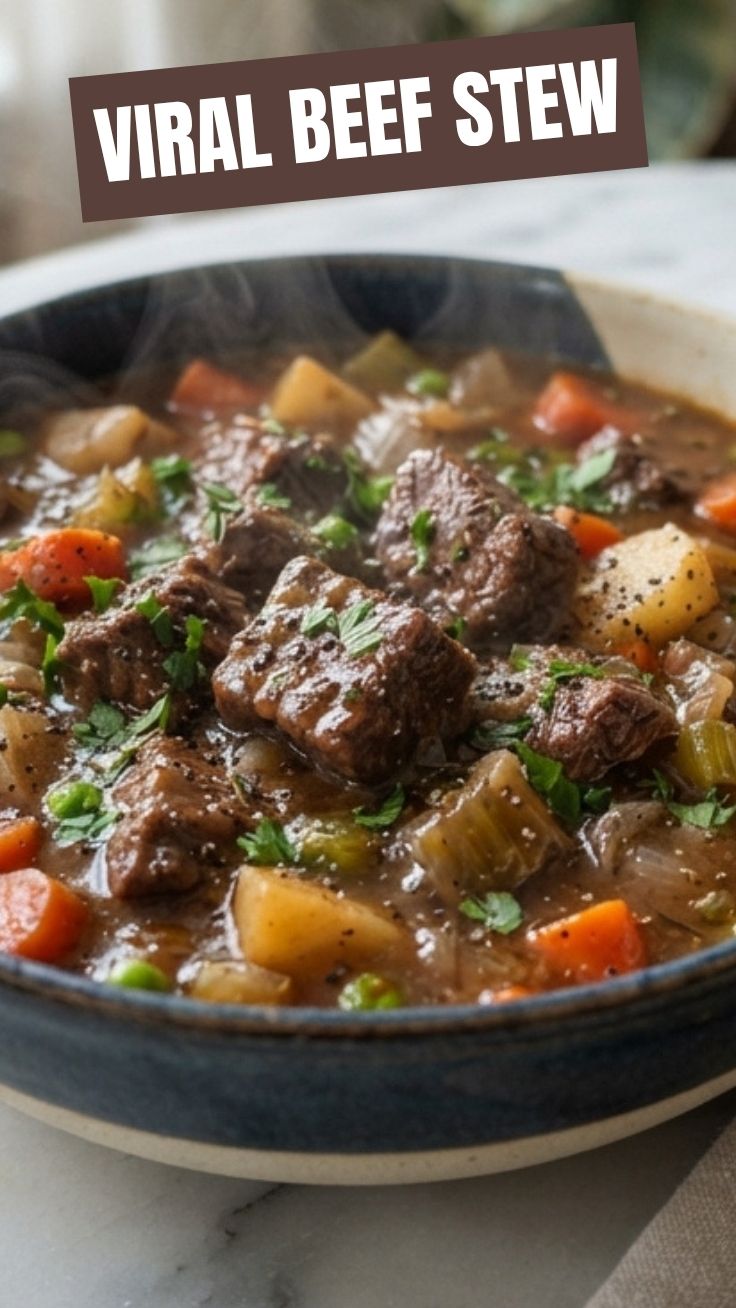
Planning is key for a truly delectable Beef Stew.
- Prep Time: 25 minutes (includes chopping vegetables and trimming beef)
- Cook Time: 2.5 – 3 hours (simmering on the stovetop)
- Resting Time: 10-15 minutes (allows flavors to meld and meat to relax)
Schedule Context: This recipe benefits greatly from low and slow cooking, allowing the tough chuck roast to break down into fork-tender perfection. While it requires a few hours on the stovetop, much of that time is hands-off simmering. If you’re planning ahead, the stew tastes even better the next day as the flavors deepen overnight. For a workday solution, consider adapting this to a slow cooker beef stew, which allows for minimal active cooking time during the day.
Step-by-Step Instructions
1. Sear the Beef: Pat beef cubes dry with paper towels. Season generously with salt and pepper. Heat olive oil in a large Dutch oven over medium-high heat. Brown the beef in batches, ensuring not to overcrowd the pot. Sear until deeply browned on all sides, about 3-4 minutes per side. Remove seared beef and set aside. Browning creates a crucial layer of flavor for your Beef Stew.
2. Sauté Aromatics: Reduce heat to medium. Add diced onion to the pot and cook until softened and translucent, about 5-7 minutes. Add minced garlic and cook for another minute until fragrant.
3. Deglaze and Build Flavor: Pour in the red wine (if using) and scrape up any browned bits from the bottom of the pot with your wooden spoon. Let the wine reduce by half, about 3-5 minutes. Stir in the tomato paste, Worcestershire sauce, dried thyme, and dried rosemary, cooking for 1 minute until fragrant.
4. Simmer the Stew: Return the seared beef to the pot. Add beef broth and bay leaves. Bring to a gentle simmer, then reduce heat to low, cover, and cook for 1.5 – 2 hours, or until the beef is nearly fork-tender. This slow braising is essential for a succulent slow cooker beef stew consistency, even on the stovetop.
5. Add Vegetables: Stir in the carrots, celery, and potatoes. Continue to simmer, covered, for another 45-60 minutes, or until vegetables are tender and the beef is easily shreddable with a fork.
6. Final Touches: Remove bay leaves. Taste and adjust seasoning with salt and pepper as needed. If the stew is too thin, you can uncover it and simmer for an additional 15-20 minutes to reduce. Garnish with fresh parsley before serving.
Nutritional Benefits & Advantages
This robust Beef Stew is more than just comfort food; it’s a nutritional powerhouse. Beef chuck roast is an excellent source of protein, essential for muscle repair and growth, as well as iron, which is vital for oxygen transport in the blood. The abundance of vegetables like carrots, celery, and potatoes provides a rich array of vitamins, minerals, and dietary fiber. Carrots are packed with Vitamin A for vision, while potatoes offer Vitamin C and potassium. This stew is a complete meal in a bowl, delivering sustained energy and essential micronutrients.
Tips, Variations & Cooking Advice
- Flavor Boost: A splash of balsamic vinegar or a squeeze of fresh lemon juice at the end can brighten the flavors.
- Thickening Options: If you prefer a thicker stew, make a slurry of 2 tbsp cornstarch mixed with 2 tbsp cold water, then stir it into the simmering stew during the last 15 minutes of cooking.
- Herb Variations: Experiment with different fresh herbs like marjoram or sage.
- Vegetable Swaps: Add parsnips, turnips, or even frozen peas (stirred in during the last 10 minutes) for variety.
- Spicy Kick: A pinch of red pepper flakes can add a subtle heat.
- Dietary Adaptations: For a gluten-free version, ensure your beef broth is certified gluten-free. This recipe is naturally dairy-free.
Common Mistakes to Avoid
- Overcrowding the Pan: When searing beef, cook in batches to ensure a good sear. Overcrowding leads to steaming instead of browning, missing out on crucial flavor development.
- Under-Seasoning: Season the beef before searing, and taste and adjust seasoning throughout the cooking process, especially before serving.
- Rushing the Cook Time: Beef stew relies on long, slow simmering to tenderize the meat. Don’t cut the cooking time short; patience is key.
- Adding Vegetables Too Early: Root vegetables like potatoes and carrots can become mushy if added at the very beginning. Add them when the beef is partially tender to ensure they cook through without disintegrating.
- Using Lean Cuts of Beef: Leaner cuts like sirloin or round steak will dry out and become tough during the long cooking process required for stew. Stick with chuck roast.
Storage & Meal Prep Tips
Beef Stew is a fantastic meal prep option!
- Refrigeration: Allow the stew to cool completely, then transfer it to airtight containers. It will keep well in the refrigerator for up to 3-4 days.
- Freezing: For longer storage, freeze cooled stew in freezer-safe containers or heavy-duty freezer bags for up to 3 months. Thaw overnight in the refrigerator before reheating.
- Reheating: Reheat gently on the stovetop over medium-low heat, stirring occasionally, until heated through. You may need to add a splash of broth or water to thin it out if it has thickened too much. Microwaving in individual portions is also an option. The flavors often deepen and improve overnight, making this stew an excellent candidate for making ahead.
Conclusion
There you have it – your comprehensive guide to crafting a truly memorable Beef Stew. From the careful searing of the beef to the patient simmering with aromatic vegetables, every step contributes to a dish that is both deeply satisfying and incredibly rewarding to make. Whether you choose the traditional stovetop method or opt for the convenience of a slow cooker beef stew, the result will be a comforting meal that warms the soul and delights the palate. We encourage you to try this recipe, experiment with the variations, and discover the joy of creating this timeless classic in your own home. Share your results and let us know your favorite tweaks in the comments below!
FAQs
Q1: Can I make this beef stew in a slow cooker?
A1: Absolutely! After searing the beef and sautéing the aromatics (Steps 1-3), transfer everything to your slow cooker. Add the beef broth, wine, and bay leaves. Cook on low for 6-8 hours or on high for 3-4 hours. Add the carrots, celery, and potatoes during the last 2-3 hours of cooking on low, or 1-1.5 hours on high, until vegetables are tender.
Q2: How can I thicken my beef stew without flour or cornstarch?
A2: You can naturally thicken the stew by mashing some of the cooked potatoes against the side of the pot with a spoon, or by removing a cup of the stew, blending it, and returning it to the pot. Reducing the liquid by simmering uncovered for an extra 15-20 minutes also helps.
Q3: What’s the best way to prevent the beef from being tough?
A3: Use beef chuck roast, cut into uniform 1-inch cubes. The most crucial factor is cooking it low and slow for a sufficient amount of time (at least 2.5-3 hours) until it’s easily shredded with a fork. Don’t rush the simmering process.
Q4: Can I add different vegetables to the stew?
A4: Yes, feel free to customize! Button mushrooms, parsnips, turnips, or even frozen green beans or peas (added during the last 10 minutes of cooking) are all great additions.
Q5: What should I serve with beef stew?
A5: Beef stew is a complete meal, but it pairs wonderfully with crusty bread for soaking up the delicious gravy, a side salad, or even a dollop of mashed potatoes or polenta.