Sizzling Success: The Ultimate Guide to Homemade Beef Fajitas
Ever craved that irresistible sizzle and aroma of fajitas right in your own kitchen? Preparing Beef Fajitas at home isn’t just about saving money; it’s about crafting a personalized culinary experience, ensuring fresh ingredients, and tailoring flavors to your exact preferences. Imagine perfectly seasoned, tender strips of beef and vibrant vegetables, all coming together in a flavorful symphony reminiscent of your favorite Mexican restaurant. This comprehensive guide will walk you through every step, transforming your kitchen into a fiesta of authentic flavors. Get ready to master one of the most delightful Mexican recipes from scratch!
Ingredients & Kitchen Tools
- For the Beef & Marinade:
* 1 ½ lbs Flank Steak or Skirt Steak: These cuts are ideal for fajitas due to their robust flavor and ability to become tender when sliced against the grain.
* 2 tbsp Olive Oil: For the marinade and sautéing.
* 1 tbsp Chili Powder: Adds warmth and a signature Tex-Mex flavor.
* 1 tsp Cumin: Essential for earthy, smoky notes.
* 1 tsp Paprika (smoked preferred): Deeper flavor and color.
* ½ tsp Garlic Powder: Pungent aromatic.
* ½ tsp Onion Powder: Sweet aromatic.
* ½ tsp Dried Oregano: Adds a herbaceous undertone.
* ¼ tsp Cayenne Pepper (optional): For a spicy kick. Adjust to taste.
* Salt and Black Pepper to taste: Enhances all flavors.
* 2 tbsp Lime Juice (freshly squeezed): Tenderizes the beef and adds a bright acidity.
* 1 tbsp Apple Cider Vinegar: Further tenderizes and adds tang.
- For the Vegetables:
* 1 large Bell Pepper (any color, sliced): Adds sweetness and crunch. Red, yellow, or orange are great.
* 1 large Onion (sliced): Caramelizes beautifully, adding depth of flavor.
* 1 tbsp Olive Oil: For sautéing vegetables.
- For Serving (Optional but Recommended):
* Warm Tortillas (corn or flour): Essential for wrapping.
* Salsa, Guacamole, Sour Cream, or Pico de Gallo: Classic toppings.
* Fresh Cilantro (chopped): For garnish and fresh flavor.
* Lime Wedges: For extra zest.
- Kitchen Tools:
* Large Mixing Bowl: For marinating.
* Sharp Knife: For slicing beef and vegetables.
* Cutting Board: A sturdy surface for prep.
* Large Cast Iron Skillet or Heavy-Bottomed Pan: For that iconic sizzle and even heat distribution.
* Tongs: For flipping and tossing.
Prep Time & Cooking Schedule
- Prep Time: 20 minutes (slicing beef and veggies, mixing marinade)
- Marinating Time: Minimum 30 minutes, ideally 2-4 hours, or even overnight for maximum flavor and tenderness. Don’t skip this critical step for optimal results.
- Cook Time: 15-20 minutes
- Resting Time (Beef): 5-10 minutes after cooking. This allows juices to redistribute, ensuring a tender steak.
Plan to start marinating your beef in the morning if you want to cook these for dinner. The longer the marinade, the deeper the flavor penetration and the more tender your beef will become.
Step-by-Step Instructions
1. Prepare the Marinade & Beef: In a large bowl, whisk together 2 tablespoons olive oil, chili powder, cumin, paprika, garlic powder, onion powder, dried oregano, cayenne pepper (if using), salt, black pepper, lime juice, and apple cider vinegar. Slice the flank or skirt steak against the grain into thin strips (about ¼-inch thick and 3-4 inches long). Add the beef strips to the marinade, ensuring all pieces are well coated. Cover and refrigerate for at least 30 minutes, or up to 4 hours. This tenderizing step is crucial for perfect Beef Fajitas.
2. Sauté Vegetables: Heat 1 tablespoon olive oil in your large cast iron skillet over medium-high heat. Add the sliced bell peppers and onions. Sauté for 5-7 minutes, stirring occasionally, until vegetables are tender-crisp and slightly charred. Remove from the skillet and set aside.
3. Cook the Beef: Increase the heat to high. If necessary, add a tiny bit more oil to the hot pan. Working in batches if needed to avoid overcrowding the pan (which would steam the beef instead of searing it), add the marinated beef strips in a single layer. Cook for 2-3 minutes per side, or until beautifully seared and cooked to your desired doneness. Remember, searing quickly at high heat is key to tender fajita meat without overcooking.
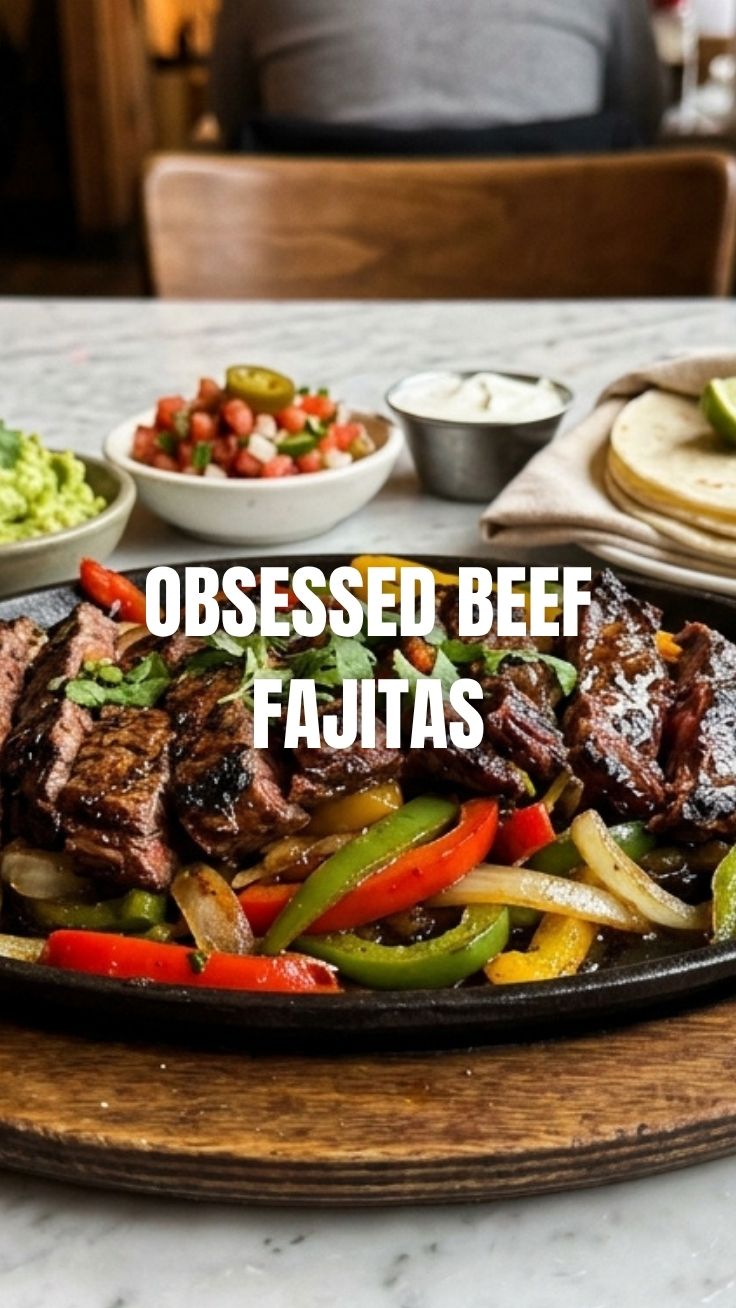
4. Combine & Serve: Return the cooked vegetables to the skillet with the beef. Toss everything together for about 30 seconds to combine and reheat the vegetables. Serve immediately with warm tortillas and your favorite Mexican recipes accompaniments like salsa, guacamole, and sour cream.
Nutritional Benefits & Advantages
Beef Fajitas are a powerhouse of essential nutrients. Flank and skirt steak are lean cuts of beef, offering a significant source of protein, iron, and B vitamins, vital for energy production and muscle health. The vibrant bell peppers provide an excellent dose of Vitamin C and antioxidants, while onions contribute beneficial prebiotics. This dish is naturally low in carbs (when served without tortillas or with low-carb alternatives) and can be easily customized to fit various dietary needs, making it a wholesome and satisfying meal.
Tips, Variations & Cooking Advice
- Spice Level: Adjust cayenne pepper to your preference. For more heat, add a pinch of red pepper flakes. For less, omit cayenne entirely.
- Vegetable Variety: Feel free to add other quick-cooking vegetables like zucchini, mushrooms, or jalapeños for extra flavor and texture.
- Marinade Boost: For an extra layer of flavor, consider adding a tablespoon of orange juice to the marinade.
- Smoky Flavor: A tiny dash of liquid smoke (just a few drops!) can enhance the smoky profile if you don’t have smoked paprika.
- Resting the Meat: Always rest your steak after cooking—even sliced strips benefit from a few minutes to reabsorb juices, leading to a juicier result.
- Alternative Cooking Methods: While a cast-iron skillet is traditional, you can also grill the steak whole and then slice it, or use a broiler for similar searing effects.
Common Mistakes to Avoid
- Overcrowding the Pan: This is the most common mistake. When too much meat is in the pan, the temperature drops, and the beef steams rather than sears, resulting in tough, grey meat. Cook in batches if necessary.
- Not Slicing Against the Grain: Steak cuts like flank and skirt have long muscle fibers. Slicing perpendicular to these fibers shortens them, making the meat much more tender. Slicing with the grain will result in chewy beef.
- Under-Marinating: The marinade not only flavors but also tenderizes. Shortchanging the marinating time will lead to less flavorful and potentially tougher beef.
- Overcooking the Beef: Fajita beef cooks quickly. Overcooking will make it dry and tough. Aim for medium-rare to medium for the most tender results.
Storage & Meal Prep Tips
Leftover Beef Fajitas can be stored in an airtight container in the refrigerator for up to 3-4 days. To reheat, gently warm the beef and vegetables in a skillet over medium heat until just heated through, being careful not to overcook the beef. Alternatively, microwave in short 30-second bursts. They make excellent meal prep for lunches – portion them with a side of rice or a salad. Freezing the cooked mixture is not recommended as the vegetables can become mushy upon thawing, but you can freeze the marinated raw beef for up to 3 months. Thaw completely before cooking.
Conclusion
Mastering homemade Beef Fajitas is a truly rewarding culinary endeavor. By following these detailed steps, you can confidently create a dish that bursts with authentic flavor, rivaling any restaurant offering. This recipe not only delivers delicious results but also offers the satisfaction of cooking a beloved classic from scratch. Dive into the world of vibrant spices and sizzling satisfaction, and don’t hesitate to share your flavorful creations and the joy of exploring incredible Mexican recipes with your loved ones!
FAQs
- Q: Can I use chicken instead of beef?
* A: Absolutely! Chicken fajitas are equally delicious. Use boneless, skinless chicken breasts or thighs, sliced into strips, and marinate for at least 30 minutes, then cook for 4-6 minutes per side.
- Q: My fajita meat came out tough. What did I do wrong?
* A: This is usually due to slicing with the grain, overcooking, or overcrowding the pan (which prevents searing and promotes steaming). Ensure you slice against the grain, cook quickly over high heat in small batches, and avoid overcooking.
- Q: How can I make my fajitas spicier?
* A: Increase the amount of cayenne pepper, add a pinch of red pepper flakes to the marinade, or include sliced jalapeños or serrano peppers when sautéing the vegetables.
- Q: What are the best tortillas for fajitas?
* A: Both flour and corn tortillas work well. Flour tortillas are traditional for fajitas, offering a soft, pliable wrap. Corn tortillas provide a rustic, earthy flavor. Always warm them slightly before serving for the best experience.
- Q: Can I prepare the marinade ahead of time?
* A: Yes, you can mix the marinade ingredients a day or two in advance and store it in an airtight container in the refrigerator. Add the beef to the marinade 4 hours (or overnight) before you plan to cook.