The Secret to Restaurant-Quality Balsamic Chicken at Home
Do you find yourself craving that perfectly caramelized, savory-sweet flavor of a professional dish but hesitate to tackle it in your own kitchen? What if I told you that creating an unforgettable Balsamic Chicken is not only achievable but surprisingly straightforward? This recipe transcends typical home cooking, offering a gourmet experience with minimal fuss. Learning to prepare dishes like this at home not only saves money but also gives you complete control over the quality of your ingredients, making for a healthier and more satisfying meal. Master the art of achieving that gleaming finish with a homemade balsamic glaze, elevating simple chicken to a culinary masterpiece.
Ingredients & Kitchen Tools
Crafting this dish requires a blend of fresh ingredients and basic kitchen essentials.
- 1.5 lbs Boneless, Skinless Chicken Thighs: (or breasts, for a leaner option) – Thighs offer richer flavor and better moisture retention.
- 1/4 cup Balsamic Vinegar: The foundation of our flavorful glaze. Choose a good quality vinegar for best results.
- 2 tablespoons Olive Oil: For searing the chicken and building the sauce base.
- 2 cloves Garlic: (minced) – Adds aromatic profundidad.
- 1 tablespoon Honey or Maple Syrup: Balances the acidity of the balsamic and aids in caramelization.
- 1 teaspoon Dried Italian Herbs: (or a mix of oregano, basil, thyme) – Classic flavor pairing with balsamic.
- Salt and Freshly Ground Black Pepper: To season the chicken and sauce.
- Fresh Parsley or Basil: (chopped, for garnish) – Adds a pop of color and freshness.
- Optional: 1/4 cup Chicken Broth: To thin the sauce if desired.
- Optional: 1 teaspoon Cornstarch slurry (1 tsp cornstarch + 1 tbsp cold water): For a thicker glaze.
Kitchen Tools:
- Large Skillet or Oven-Safe Pan: A cast-iron skillet works wonderfully for even searing.
- Tongs: For handling chicken safely.
- Whisk: For making the glaze smooth.
- Measuring Cups and Spoons: For accurate ingredient quantities.
- Cutting Board and Knife: For prepping chicken and garlic.
Prep Time & Cooking Schedule
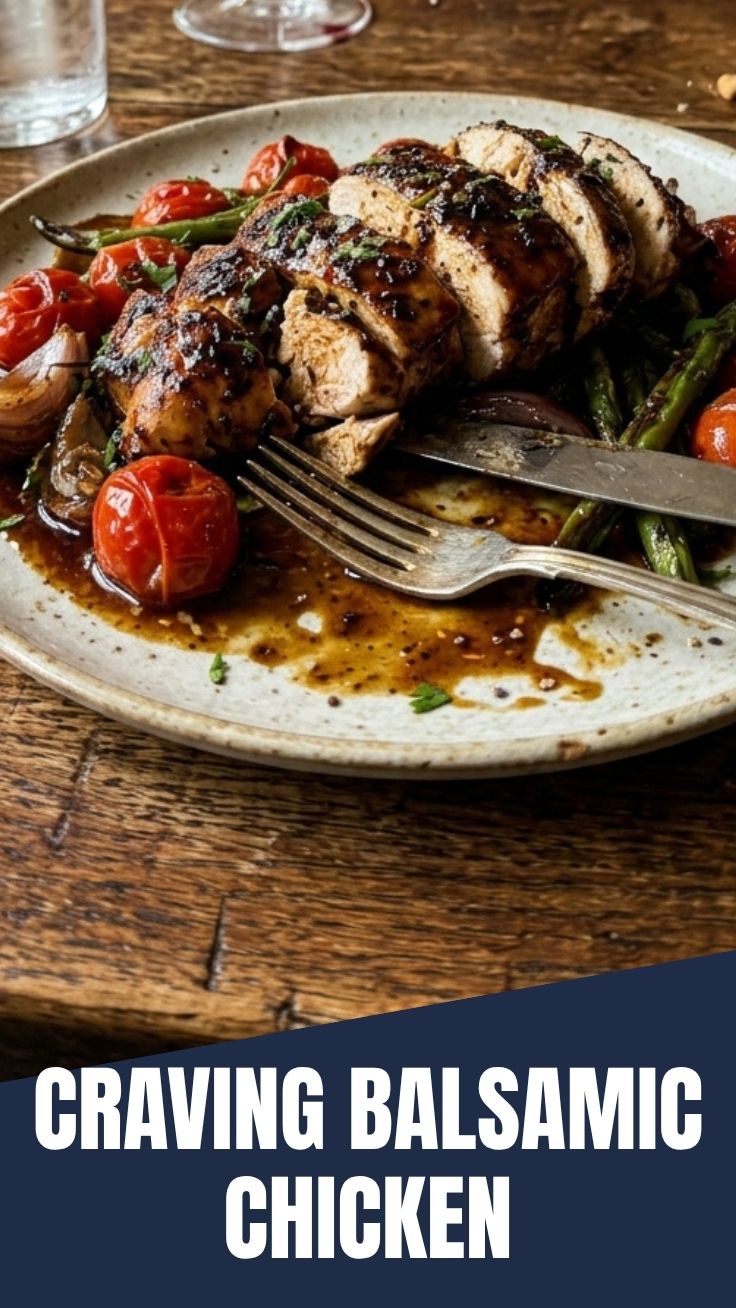
This recipe is designed for efficiency without sacrificing flavor.
- Prep Time: 15 minutes (Includes trimming chicken, mincing garlic, and gathering ingredients.)
- Cook Time: 20-25 minutes (Searing and simmering the sauce.)
- Resting Time: 5 minutes (Crucial for juicy chicken.)
- Marinating Time: Optional, 30 minutes to 2 hours (Marinating chicken in a portion of the balsamic mixture can deepen its flavor profile significantly, though it’s not essential for a delicious outcome.)
Plan to begin preparing about 45 minutes to an hour before you intend to serve, allowing ample time for all steps, including the resting period.
Step-by-Step Instructions
1. Prepare the Chicken: Pat your chicken thighs dry with paper towels. Season generously with salt and pepper on both sides. This step is crucial for developing a good crust and locking in flavor.
2. Sauté Aromatics: Heat olive oil in a large skillet over medium-high heat. Once shimmering, add the minced garlic and sauté for about 30 seconds until fragrant, being careful not to burn it.
3. Sear the Chicken: Place the seasoned chicken thighs skin-side down (if applicable, otherwise presentation side down) in the hot skillet. Sear for 5-7 minutes per side, until deeply golden brown and cooked through (internal temperature reaches 165°F / 74°C). Ensure a beautiful sear for maximum flavor. Transfer the cooked chicken to a plate and tent with foil.
4. Craft the balsamic glaze: Reduce heat to medium. Pour the balsamic vinegar into the skillet, deglazing the pan by scraping up any browned bits from the bottom. Stir in the honey (or maple syrup) and Italian herbs. If using, whisk in the chicken broth and cornstarch slurry. Bring to a simmer and cook for 3-5 minutes, stirring occasionally, until the sauce reduces and thickens to a syrupy consistency. It should coat the back of a spoon. Taste and adjust seasoning if needed. The goal is a rich, balanced flavor. This is key to a fantastic Balsamic Chicken.
5. Finish and Serve: Return the cooked chicken to the skillet, spooning the luscious balsamic glaze generously over each piece. Garnish with fresh parsley or basil and serve immediately with your favorite sides.
Nutritional Benefits & Advantages
This Balsamic Chicken recipe offers more than just incredible flavor. Chicken is an excellent source of lean protein, essential for muscle repair and growth, and provides important B vitamins. Balsamic vinegar, made from grape must, contains antioxidants and can aid digestion. By making your own balsamic glaze from scratch, you avoid added sugars and artificial ingredients often found in store-bought versions, ensuring a healthier meal. This dish is naturally low in saturated fats when using boneless, skinless chicken, making it a heart-healthy choice.
Tips Variations & Cooking Advice
- Flavor Boost: Add a pinch of red pepper flakes to the glaze for a subtle kick.
- Herb Variations: Experiment with fresh rosemary or thyme sprigs cooked with the chicken or added to the glaze for different aromatic notes.
- Vegetable Inclusions: Sauté sliced mushrooms, bell peppers, or cherry tomatoes along with the garlic, before adding the balsamic, for a more complete dish.
- Dietary Adaptations: For a gluten-free version, ensure your balsamic vinegar is certified gluten-free (most are, but always check). This recipe is inherently dairy-free.
- Grilling Option: Marinate chicken thighs in half of the balsamic mixture, grill until cooked through, then reduce the remaining balsamic mixture on the stovetop for the glaze.
- For a Thicker Sauce: If your glaze isn’t thickening enough, a cornstarch slurry (1 tsp cornstarch mixed with 1 tbsp cold water) whisked into the simmering sauce can quickly achieve the desired consistency.
Common Mistakes to Avoid
- Overcrowding the Pan: This prevents proper searing and leads to steamed, not browned, chicken. Work in batches if necessary.
- Not Patting Chicken Dry: Moisture on the chicken surface prevents a good sear and crispy skin. Always pat dry thoroughly.
- Overcooking the Chicken: This results in dry, tough chicken. Use an instant-read thermometer to check for 165°F (74°C) internal temperature.
- Burning the Garlic: Garlic burns quickly, turning bitter. Keep an eye on it and sauté just until fragrant.
- Rushing the Glaze Reduction: A slow, steady simmer is key to developing a rich, syrupy consistency for your balsamic glaze.
Storage & Meal Prep Tips
Leftovers: Store leftover Balsamic Chicken in an airtight container in the refrigerator for up to 3-4 days.
Reheating: Gently reheat on the stovetop over medium-low heat, or in the microwave, until warmed through. Add a splash of chicken broth or water if the sauce appears too thick. Avoid high heat to prevent the chicken from drying out.
Meal Prep: Cook a larger batch of chicken and glaze at the beginning of the week. Portion out with steamed vegetables or quinoa for quick and healthy lunch or dinner options throughout the week. The flavors tend to meld even better the next day!
Conclusion
Mastering this Balsamic Chicken recipe will empower you to create elegant, flavorful meals right in your own kitchen. With simple techniques and quality ingredients, you can consistently achieve that perfect balance of savory chicken and a rich, deeply satisfying balsamic glaze. Don’t be afraid to experiment and make it your own! We encourage you to try this recipe tonight and share your delicious results in the comments below. What are your favorite sides to pair with this gourmet classic?
FAQs
Q1: Can I use chicken breasts instead of thighs?
A1: Yes, chicken breasts work well. Adjust cooking time slightly, as breasts may cook faster and can dry out if overcooked. Pounding them to an even thickness helps.
Q2: My balsamic glaze is too thin. How can I thicken it?
A2: Simmer the glaze for a few more minutes until it reduces, or whisk in a cornstarch slurry (1 teaspoon cornstarch mixed with 1 tablespoon cold water) and simmer for a minute until thick.
Q3: What are good side dishes for Balsamic Chicken?
A3: This dish pairs wonderfully with roasted or mashed potatoes, quinoa, rice pilaf, sautéed green beans, asparagus, or a simple side salad.
Q4: Can I make this dish spicier?
A4: Absolutely! Add a pinch of red pepper flakes to the pan with the garlic, or a dash of hot sauce to the glaze for an extra kick.
Q5: Is balsamic vinegar the same as balsamic glaze?
A5: Not quite. Balsamic vinegar is the base ingredient, while balsamic glaze is a reduction of balsamic vinegar, often with added sweeteners like honey or sugar, cooked down to a thick, syrupy consistency.