Zesty and Velvety: Your Guide to the Best Lemon Ricotta Pasta You’ll Ever Make
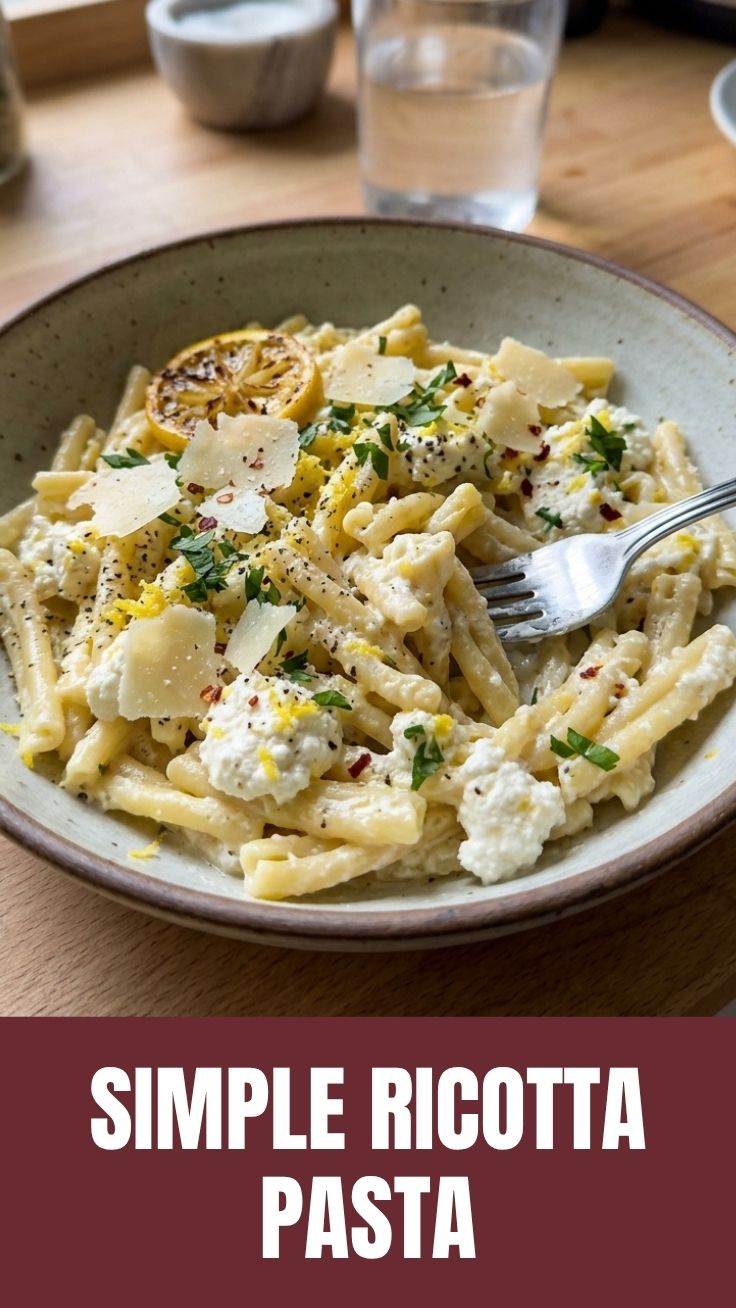
Ever craved a dish that’s both comforting and vibrantly fresh, a culinary hug that brightens your day? Look no further than homemade Lemon Ricotta Pasta. This delightful dish combines the creamy richness of ricotta with the zesty brightness of lemon, creating a flavor profile that’s both sophisticated and incredibly satisfying. Preparing this at home not only guarantees fresh, high-quality ingredients but also allows you to tailor every nuance to your taste. And for those who adore cheese pasta recipes, this rendition will surely become a staple in your rotation.
Ingredients & Kitchen Tools
To embark on this culinary journey, gather the following:
Ingredients:
- 1 pound pasta (linguine, fettuccine, or spaghetti recommended): Any long-strand pasta works wonderfully to catch the creamy sauce.
- 15 ounces fresh ricotta cheese (whole milk preferred): Essential for that luxurious, creamy texture and mild, comforting flavor.
- 1/2 cup grated Parmesan cheese (plus more for serving): Adds a salty, umami depth to the sauce and a delicious topping.
- 1/4 cup reserved pasta water: The starchy magic that emulsifies the sauce, making it silky smooth.
- Zest of 2 large lemons: The primary source of the vibrant, aromatic lemon flavor. Avoid the white pith for bitterness.
- Juice of 1 large lemon: Provides the tangy counterpoint to the rich ricotta.
- 2 tablespoons unsalted butter: Adds a subtle richness and gloss to the sauce.
- 2 cloves garlic, minced (optional): Enhances the savory profile without overpowering the lemon.
- 1/4 cup fresh parsley, chopped (plus more for garnish): Adds a fresh, herbaceous note and a pop of green.
- Salt and freshly ground black pepper to taste: Crucial for balancing and enhancing all the flavors.
- Optional: Red pepper flakes: For a hint of warmth and a gentle kick.
Kitchen Tools:
- Large pot: For boiling the pasta.
- Large mixing bowl: Where the creamy sauce comes together.
- Grater or microplane: For zesting lemons and grating Parmesan.
- Citrus juicer: To efficiently extract lemon juice.
- Colander: For draining cooked pasta.
- Whisk or spatula: For combining sauce ingredients.
- Tongs: For tossing pasta with the sauce.
Prep Time & Cooking Schedule
- Prep Time: 15 minutes
- Cook Time: 10-12 minutes (active cooking time for pasta)
- Total Time: Approximately 25-30 minutes
This recipe is incredibly efficient, making it perfect for weeknight meals. While the pasta boils, you’ll whip up the sauce, ensuring everything is ready to be combined almost simultaneously. There’s no resting or marinating time required, allowing you to enjoy your delicious creation almost immediately.
Step-by-Step Instructions
1. Cook the Pasta: Bring a large pot of heavily salted water to a rolling boil. Add the pasta and cook according to package directions until al dente. Before draining, reserve at least 1/2 cup of the starchy pasta water. This is crucial for achieving a perfectly emulsified sauce.
2. Prepare the Sauce Base: While the pasta cooks, melt the unsalted butter in a large skillet or the pasta pot (once drained) over medium heat. If using, add the minced garlic and sauté for 30 seconds until fragrant, being careful not to burn it. Remove from heat.
3. Combine Ricotta and Flavorings: In a large mixing bowl, combine the fresh ricotta cheese, grated Parmesan cheese, lemon zest, lemon juice, and chopped fresh parsley. Season generously with salt and freshly ground black pepper. If you desire a little heat, stir in a pinch of red pepper flakes.
4. Create the Creamy Sauce: Add the melted butter (and garlic, if used) from the skillet to the ricotta mixture. Stir well to combine. Gradually add about 1/4 cup of the reserved pasta water to the ricotta mixture, whisking continuously until the sauce becomes smooth, creamy, and pourable. The starch in the pasta water helps thicken and emulsify the sauce. If it’s too thick, add a tablespoon or two more pasta water until you reach your desired consistency. This creates the quintessential creamy texture for your Lemon Ricotta Pasta.
5. Toss and Serve: Drain the cooked pasta and immediately add it to the bowl with the creamy ricotta sauce. Toss thoroughly with tongs, ensuring every strand of pasta is coated evenly. The residual heat from the pasta will further warm the sauce. Serve immediately, garnished with extra Parmesan cheese, fresh parsley, and a final sprinkle of black pepper. Enjoy this delightful addition to your repertoire of cheese pasta recipes!
Nutritional Benefits & Advantages
This Lemon Ricotta Pasta offers more than just incredible flavor. Ricotta cheese is a good source of protein and calcium, essential for bone health and muscle repair. Lemons are packed with Vitamin C, an antioxidant that supports immune function. The fresh herbs add micronutrients and fiber, contributing to overall well-being. Opting for whole wheat pasta can further boost fiber content, aiding digestion and promoting satiety.
Tips, Variations & Cooking Advice
- Spice It Up: A pinch of red pepper flakes adds a subtle warmth.
- Herbaceous Boost: Fresh basil or chives can be substituted or added alongside parsley for a different aromatic profile.
- Add Veggies: Sautéed spinach, asparagus, or cherry tomatoes cooked with garlic would be excellent additions, making it a more complete meal.
- Protein Power: Grilled chicken, shrimp, or chickpeas can be stirred in for added protein.
- Gluten-Free: Use your favorite gluten-free pasta for a delicious alternative.
- Dairy-Free (challenging but possible): Substitute cashew cream for ricotta and a dairy-free Parmesan alternative. The texture will be different but still tasty.
- Adjust Lemon Intensity: Feel free to adjust the amount of lemon juice and zest according to your preference for tartness.
Common Mistakes to Avoid
- Overcooking the Pasta: Mushy pasta won’t hold the sauce well. Cook to al dente for the best texture.
- Forgetting Pasta Water: This is a crucial ingredient for a silky sauce; don’t skip it!
- Heating Ricotta too Much: Ricotta can curdle if overheated. Always combine off the direct heat or gently warm with the hot pasta.
- Not Seasoning Enough: Taste and adjust salt and pepper throughout the process. Italian dishes thrive on proper seasoning.
- Using Bottled Lemon Juice: Freshly squeezed lemon juice makes an immense difference in flavor.
Storage & Meal Prep Tips
Lemon Ricotta Pasta is best enjoyed fresh. However, if you have leftovers, store them in an airtight container in the refrigerator for up to 2-3 days. The sauce may thicken considerably upon cooling.
Reheating: Gently reheat on the stovetop over low heat, adding a splash of water or vegetable broth to loosen the sauce and restore its creamy texture. Microwaving is also an option, but stir frequently and add liquid as needed. Freezing is not recommended as the ricotta texture may become grainy.
Conclusion
Creating your own Lemon Ricotta Pasta at home is a rewarding experience, yielding a dish that’s both elegant and effortlessly delicious. With its vibrant lemon zest, creamy ricotta, and perfectly cooked pasta, it offers a sophisticated yet comforting meal that’s hard to resist. This recipe is not just another addition to your collection; it’s a testament to how simple ingredients can create extraordinary flavors, making it a stand-out amongst cheese pasta recipes. We encourage you to try this recipe, experiment with variations, and share your culinary successes with us!
FAQs
Q1: Can I use low-fat ricotta?
A: While you can, whole milk ricotta yields a much creamier and richer sauce, which is highly recommended for the best flavor and texture.
Q2: What if my sauce is too thick?
A: Gradually add more reserved pasta water, one tablespoon at a time, until you reach your desired consistency. The starches in the water help maintain the sauce’s creaminess.
Q3: Can I make this vegan?
A: It’s challenging but possible. You’ll need to substitute the ricotta with a cashew-based cream and use a dairy-free Parmesan alternative. The flavor profile will differ, but it can still be delicious.
Q4: How can I add more vegetables?
A: Sautéing spring vegetables like asparagus, peas, or spinach with garlic before adding them to the pasta is a great way to incorporate more greens and nutrients.
Q5: Is this dish freezer-friendly?
A: Due to the fresh ricotta, which can change texture upon freezing and thawing, it’s not ideal for freezing. This dish is best enjoyed fresh or reheated from the refrigerator.