Master the Golden Glaze: Your Ultimate Guide to Irresistible Honey Mustard Chicken
Ever wondered how to transform a simple chicken dish into a culinary masterpiece that tantalizes your taste buds and impresses your dinner guests? Look no further! Today, we’re diving into the delightful world of Honey Mustard Chicken, a dish renowned for its perfect balance of sweet, tangy, and savory flavors. Preparing this comfort food at home isn’t just about saving money; it’s about crafting a personalized, wholesome meal that’s infinitely more satisfying than any takeout. Forget bland chicken; our focus today is on unlocking the secrets to succulent, perfectly glazed chicken that will become a staple in your recipe repertoire, offering a fresh take on beloved mustard chicken recipes.
Ingredients & Kitchen Tools
To embark on this flavorful journey, gather the following:
Proteins & Produce:
- 4 Boneless, Skinless Chicken Breasts (1.5-2 lbs total): Opt for organic or free-range for best flavor and texture. You can also use chicken thighs for a juicier result.
- 1 Lemon: Freshly squeezed juice adds brightness and cuts through the richness.
- Fresh Parsley (for garnish): A sprinkle of chopped fresh parsley adds color and a herbaceous note.
Pantry Staples:
- 1/2 cup Honey: A good quality, local honey will elevate the sweetness.
- 1/4 cup Dijon Mustard: Essential for that characteristic tangy kick. Stone-ground mustard can be used for a more robust flavor.
- 2 cloves Garlic (minced): Freshly minced garlic provides an aromatic depth.
- 2 tbsp Olive Oil: For searing the chicken to golden perfection.
- Salt & Freshly Ground Black Pepper: To taste, enhancing all other flavors.
- 1 tbsp Apple Cider Vinegar (optional): A dash can enhance the tanginess if desired.
Kitchen Tools:
- Large Skillet or Oven-Safe Pan: A cast-iron skillet works wonderfully for even heat distribution.
- Whisk: For combining the glaze ingredients smoothly.
- Measuring Cups & Spoons: Accuracy ensures the perfect flavor balance.
- Tongs: For easy handling and flipping of chicken.
- Cutting Board & Chef’s Knife: For preparing chicken and garlic.
Prep Time & Cooking Schedule
- Prep Time: 15 minutes
- Marinating Time: 30 minutes (minimum) to 4 hours (for deeper flavor infusion). If you’re short on time, you can skip marinating, but don’t expect the same depth.
- Cook Time: 20-25 minutes
- Resting Time: 5 minutes (crucial for juicy chicken!)
Plan Ahead: For maximum flavor, prepare your marinade in the morning and let the chicken soak it up throughout the day. This reduces active cooking time significantly during busy evenings.
Step-by-Step Instructions
1. Prepare the Chicken: Pat the chicken breasts dry with paper towels. Season lightly with salt and pepper. If the breasts are very thick, you can butterfly them or pound them to an even thickness for faster, more consistent cooking.
2. Whisk the Marinade/Glaze: In a medium bowl, combine the honey, Dijon mustard, minced garlic, lemon juice, and optional apple cider vinegar. Whisk until smooth and well combined.
3. Marinate (Optional but Recommended): Place the seasoned chicken in a shallow dish or a Ziploc bag. Pour half of the honey mustard mixture over the chicken, ensuring it’s evenly coated. Reserve the remaining half for the glaze. Marinate in the refrigerator for at least 30 minutes, or up to 4 hours.
4. Sear the Chicken: Heat olive oil in a large skillet over medium-high heat. Once the oil shimmers, add the marinated Honey Mustard Chicken to the hot pan. Sear for 5-7 minutes per side, until golden brown and cooked through (internal temperature reaches 165°F or 74°C). Reduce heat if browning too quickly.
5. Glaze to Perfection: Once the chicken is nearly cooked, reduce the heat to medium-low. Pour the reserved honey mustard mixture over the chicken. Allow it to simmer and thicken for 2-3 minutes, turning the chicken to coat thoroughly in the luscious glaze. This step is key to creating that irresistible sticky coating, setting our dish apart from plain mustard chicken recipes.
6. Rest and Serve: Remove chicken from the pan and let it rest on a cutting board for 5 minutes before slicing. This allows the juices to redistribute, ensuring tender and moist chicken. Garnish with fresh parsley.
Nutritional Benefits & Advantages
This dish isn’t just delicious; it offers several nutritional advantages. Chicken breast is a lean source of protein, essential for muscle repair and growth. Honey provides natural sweetness and antioxidants, while Dijon mustard is low in calories and fat. By making it at home, you control the amount of sugar and sodium, avoiding the high levels often found in pre-made sauces.
Tips Variations & Cooking Advice
- Spicy Kick: Add a pinch of cayenne pepper or a dash of hot sauce to the glaze for a fiery twist.
- Herbaceous Notes: Incorporate dried thyme or rosemary into the marinade.
- Grilling: For a smoky flavor, grill the chicken instead of searing. Baste frequently with the glaze during the last few minutes of grilling.
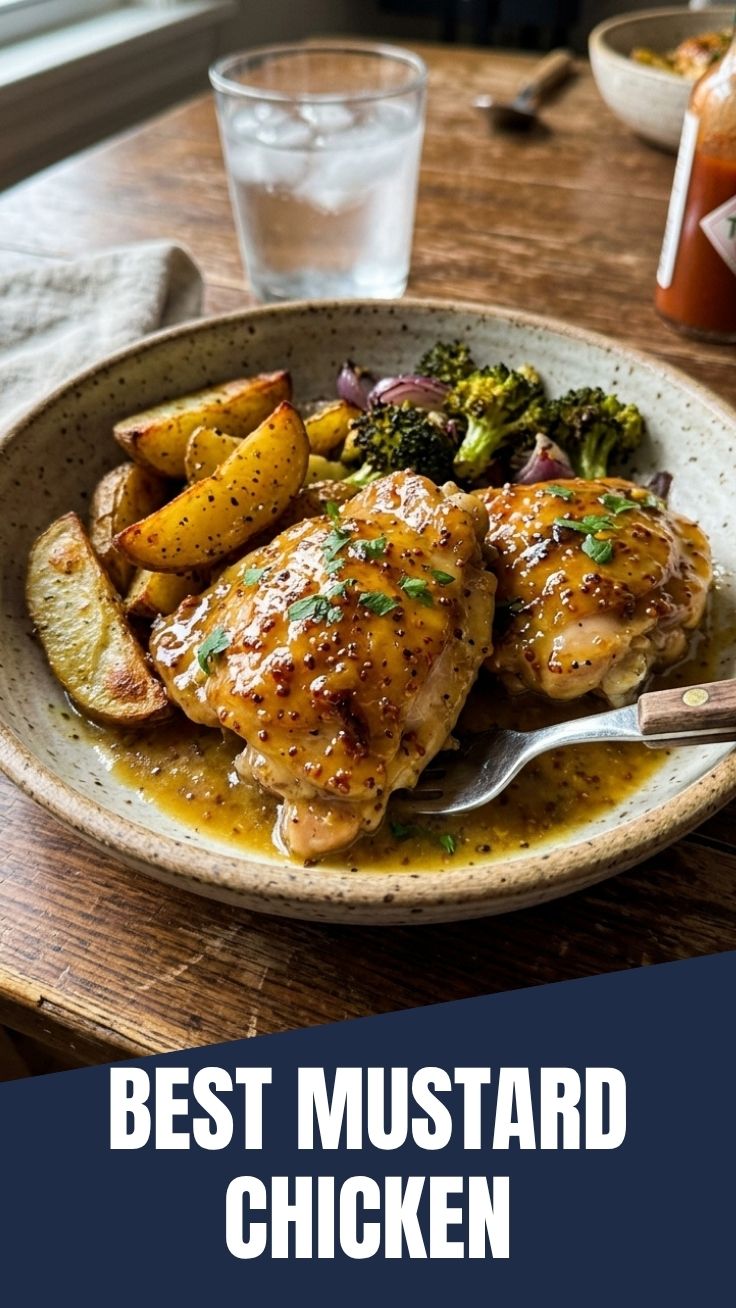
- Vegetable Medley: Add some chopped bell peppers, onions, or broccoli to the pan during the last 10 minutes of cooking for a complete meal.
- Dietary Adaptations: Use sugar-free honey alternatives for a lower-carb option. Ensure mustard is gluten-free if catering to dietary restrictions.
Common Mistakes to Avoid
- Overcooking the Chicken: This is the most common culprit for dry, tough chicken. Use a meat thermometer to ensure it reaches exactly 165°F (74°C).
- Skipping the Rest: Resting the chicken is vital for juicy results. Don’t rush this step!
- Burning the Glaze: Honey can burn easily. Keep the heat at medium-low when adding the glaze and watch it carefully, stirring as needed.
- Not Patting Chicken Dry: Moisture prevents proper searing and browning, leading to a less appealing crust.
Storage & Meal Prep Tips
Storage: Store leftover chicken in an airtight container in the refrigerator for up to 3-4 days.
Freezing: You can freeze cooked Honey Mustard Chicken for up to 2-3 months. Allow it to cool completely before freezing in an airtight, freezer-safe container or bag.
Reheating: Reheat gently in a skillet over low heat with a splash of water or chicken broth, or in the oven at 300°F (150°C) until warmed through, to maintain moisture. Avoid high heat in the microwave, which can dry out the chicken.
Conclusion
There you have it – a comprehensive guide to crafting the perfect Honey Mustard Chicken, a dish that consistently delivers on flavor and satisfaction. From its inviting aroma to its golden, glistening glaze, this recipe promises to be a delightful addition to your culinary repertoire. We’ve explored how simple ingredients, combined with careful technique, can elevate everyday chicken into a truly memorable meal, distinguishing it from other mustard chicken recipes. We urge you to try this recipe tonight and experience the magic yourself. Share your culinary creations and favorite variations in the comments below – happy cooking!
FAQs
Q1: Can I use bone-in, skin-on chicken?
A: Yes, but adjust cooking time. Bone-in chicken will take longer to cook and the skin will crisp up nicely. Ensure an internal temperature of 165°F.
Q2: How can I make the sauce thicker?
A: For a thicker sauce, you can add 1/2 teaspoon of cornstarch mixed with 1 tablespoon of cold water to the glaze during the simmering step.
Q3: What side dishes pair well with Honey Mustard Chicken?
A: This dish pairs wonderfully with roasted vegetables, mashed potatoes, rice, a fresh green salad, or steamed asparagus.
Q4: Can I prepare the marinade ahead of time?
A: Absolutely! The marinade can be made up to 3 days in advance and stored in an airtight container in the refrigerator.
Q5: My glaze isn’t sticking to the chicken. What went wrong?
A: This usually happens if the heat is too high, causing the glaze to reduce too quickly, or if the chicken wasn’t properly seared first. Ensure you’re simmering the glaze over medium-low heat and turning the chicken to coat.