Unlock Culinary Gold: The Ultimate Lemon Butter Chicken Recipe
Are you searching for a dish that effortlessly combines elegance with incredible flavor, making mealtime a joy rather than a chore? Look no further! This homemade Lemon Butter Chicken is more than just a recipe; it’s an experience in culinary delight, offering a restaurant-quality meal right in your own kitchen. Preparing delicious meals at home not only saves money but also allows for complete control over ingredients, ensuring a healthier and more personalized dining experience. And let’s be honest, nothing beats the satisfaction of serving a dish that’s both impressive and comforting. This recipe is also a fantastic addition to your repertoire of easy dinner recipes that truly deliver on taste and convenience.
Ingredients & Kitchen Tools
To embark on this delightful culinary journey, here’s what you’ll need:
Ingredients:
1.5 lbs Boneless, Skinless Chicken Thighs: (or breasts for a leaner option) – Cut into 1-inch pieces, ensures even cooking and tender results.*
1/2 cup All-Purpose Flour: For dredging, creates a light crust and helps thicken the sauce.*
1 tsp Paprika: Adds a warm, earthy flavor and beautiful color.*
1/2 tsp Garlic Powder: Essential aromatic.*
Salt & Freshly Ground Black Pepper: To taste, seasons the chicken thoroughly.*
4 tbsp Unsalted Butter: Divides into 2 tbsp for cooking chicken and 2 tbsp for the sauce, providing richness.*
2 tbsp Olive Oil: For pan-searing, prevents butter from burning and adds flavor.*
3 cloves Garlic, Minced: Adds pungent aroma and depth.*
1 cup Chicken Broth: Forms the base of the luscious sauce.*
1/2 cup Heavy Cream: Contributes to the sauce’s luxurious texture and richness.*
1/4 cup Fresh Lemon Juice: Crucial for the tangy, bright lemon flavor.*
2 tbsp Fresh Parsley, Chopped: For garnish, adds freshness and a pop of color.*
Kitchen Tools & Utensils:
Large Skillet/Frying Pan: Preferably cast iron or stainless steel for even heat distribution.*
Whisk: For smoothing out the sauce.*
Tongs: To
handle chicken safely.*
Cutting Board & Sharp Knife: For prepping chicken and herbs.*
Shallow Dish: For dredging chicken.*
Measuring Cups & Spoons: For accurate ingredient proportions.*
Prep Time & Cooking Schedule
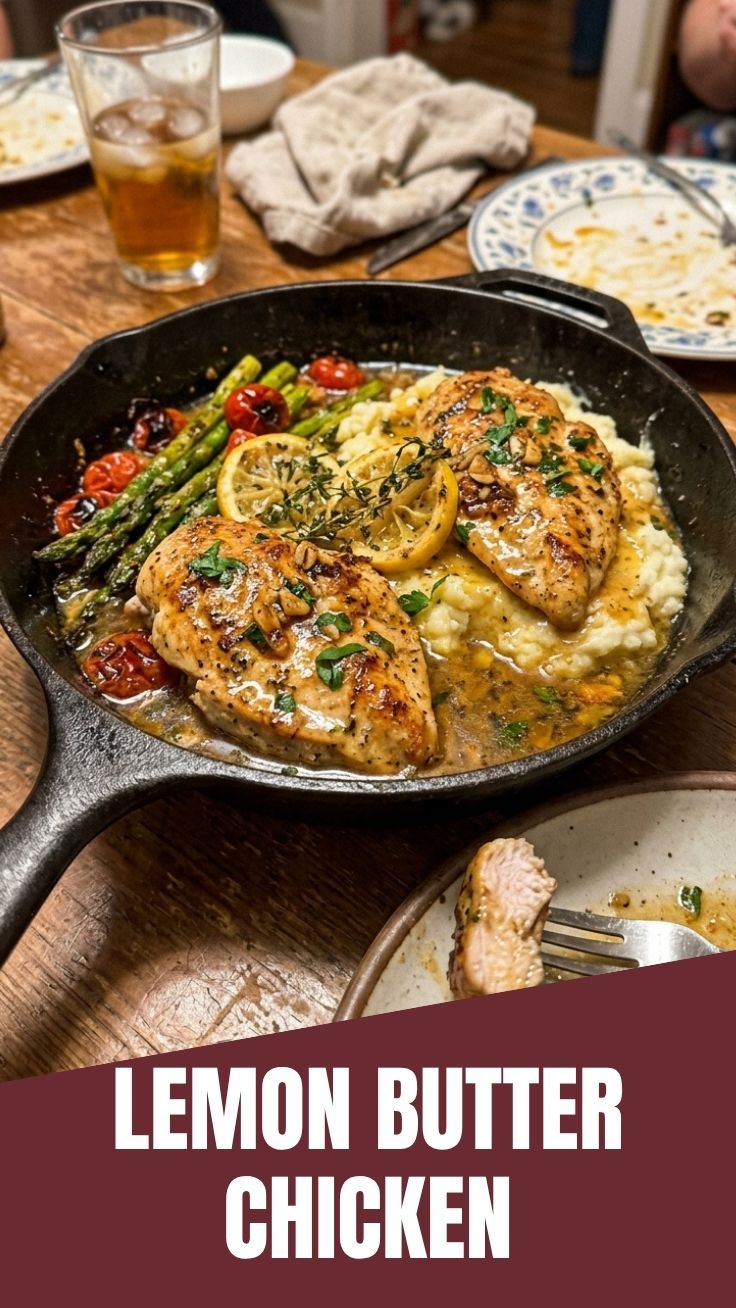
This recipe is designed for maximum flavor with minimal fuss, perfect for a weeknight indulgence.
- Prep Time: 15 minutes
- Cook Time: 20-25 minutes
- Total Time: 35-40 minutes
You can make this even quicker by prepping your chicken and garlic ahead of time. Marinating the chicken for 30 minutes to an hour (or even overnight) with a pinch of salt and pepper can enhance its tenderness and flavor, though it’s not strictly necessary for delicious results.
Step-by-Step Instructions
1. Prepare the Chicken: In a shallow dish, combine the flour, paprika, garlic powder, salt, and black pepper. Dredge the chicken pieces in the mixture, ensuring they are lightly coated. Shake off any excess.
2. Sear the Chicken: Heat 2 tablespoons of butter and olive oil in a large skillet over medium-high heat. Once hot, add the chicken in a single layer, making sure not to overcrowd the pan. Cook for 3-4 minutes per side, until golden brown and cooked through. Remove the chicken from the skillet and set aside.
3. Build the Sauce: In the same skillet, reduce the heat to medium. Add the remaining 2 tablespoons of butter. Once melted, add the minced garlic and sauté for about 1 minute until fragrant. Do not burn the garlic!
4. Deglaze and Simmer: Pour in the chicken broth, scraping up any browned bits from the bottom of the pan to incorporate all the flavor (this is crucial for a rich sauce!). Bring to a simmer, then stir in the heavy cream and fresh lemon juice.
5. Combine and Finish: Return the cooked chicken to the skillet, coating it thoroughly with the sauce. Simmer for another 2-3 minutes, allowing the sauce to thicken slightly and the flavors to meld. Garnish generously with fresh chopped parsley. This Lemon Butter Chicken is a fantastic choice for home cooks looking for satisfying and easy dinner recipes that impress without endless kitchen hours.
Nutritional Benefits & Advantages
Chicken is an excellent source of lean protein, essential for muscle repair and growth. Lemon provides a significant boost of Vitamin C, an antioxidant that supports immune health. The healthy fats from olive oil and butter contribute to nutrient absorption and satiety. This dish is also naturally low in carbohydrates when served without starchy sides, making it a great option for those monitoring their carb intake. Furthermore, using fresh ingredients means avoiding the additives and preservatives often found in pre-packaged meals.
Tips, Variations & Cooking Advice
- Spice It Up: Add a pinch of red pepper flakes with the garlic for a subtle kick.
- Herb Power: Experiment with other fresh herbs like thyme or rosemary for different flavor profiles.
- Veggie Boost: Stir in some blanched asparagus, spinach, or cherry tomatoes during the final simmering stage for added nutrients and color.
- Dairy-Free: Substitute heavy cream with full-fat coconut milk (ensure it’s unsweetened) for a dairy-free version, though the flavor will be slightly altered. For butter, use a vegan butter substitute.
- Gluten-Free: Use a gluten-free all-purpose flour blend or cornstarch for dredging the chicken. Alternatively, skip the dredging entirely for a sauce that will be slightly thinner.
- Serving Suggestions: This dish pairs beautifully with rice, pasta, mashed potatoes, or a simple side salad.
Common Mistakes to Avoid
- Overcrowding the Pan: This leads to steamed rather than seared chicken, preventing that delicious golden crust. Cook in batches if necessary.
- Burning the Garlic: Garlic cooks quickly. Keep an eye on it and sauté just until fragrant to avoid bitterness.
- Overcooking the Chicken: Chicken breasts, especially, can dry out quickly. Cook until just done (internal temperature of 165°F/74°C) to ensure tenderness.
- Skipping the Deglazing: Those browned bits at the bottom of the pan are packed with flavor. Don’t leave them behind!
- Too Much Lemon: While “lemon butter” is key, too much lemon juice can make the sauce overly tart. Taste and adjust as you go.
Storage & Meal Prep Tips
Storage: Leftovers can be stored in an airtight container in the refrigerator for up to 3-4 days.
Freezing: While possible, the creamy sauce may separate slightly upon thawing. If you choose to freeze, store in an airtight container for up to 2 months. Thaw overnight in the refrigerator before reheating.
Reheating: Gently reheat on the stovetop over low heat, adding a splash of chicken broth or water if the sauce has thickened too much. Avoid high heat as it can cause the sauce to separate.
Conclusion
This homemade Lemon Butter Chicken offers an exquisite balance of rich, tangy, and savory notes, transforming a simple ingredient into a sophisticated meal. It’s undeniably one of those easy dinner recipes that consistently delights, making it a staple for both busy weeknights and special occasions. We encourage you to try this recipe, savor the vibrant flavors, and share your culinary creations with us!
FAQs
Q1: Can I use chicken breasts instead of thighs?
A1: Yes, absolutely! Chicken breasts work wonderfully. Just be mindful that they cook faster and can dry out more easily, so adjust cooking times accordingly.
Q2: How can I make the sauce thicker?
A2: If the sauce isn’t thick enough, you can create a slurry with 1 teaspoon of cornstarch mixed with 1 tablespoon of cold water. Stir it into the simmering sauce and cook for another minute until it thickens to your desired consistency.
Q3: Is freshly squeezed lemon juice necessary?
A3: While bottled lemon juice can be used, fresh lemon juice provides a much brighter and more vibrant flavor, which is key for this dish. We highly recommend using fresh for the best results.
Q4: Can I add vegetables to this dish?
A4: Yes! Sautéed mushrooms, spinach, or blanched broccoli florets can be added to the pan during the last few minutes of cooking with the sauce for added nutrition and flavor.
Q5: How can I prevent the sauce from separating?
A5: The key is to avoid boiling the cream and to reheat leftovers gently over low heat, stirring occasionally. High heat can cause the fat and liquid in the cream to separate.