Master the Grill: Your Guide to Perfect Grilled Salmon Every Time
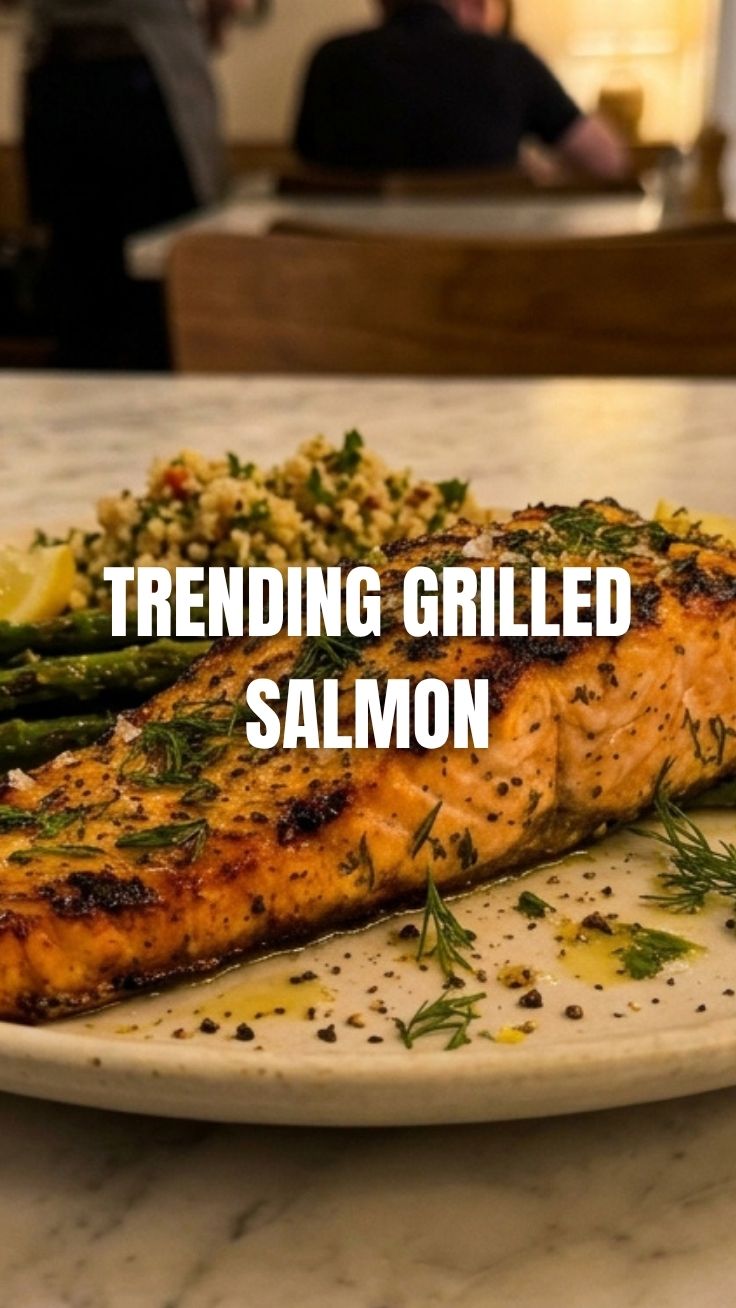
Ready to transform your weeknight dinners into a gourmet experience? Imagine a flaky, flavorful, and perfectly cooked piece of Grilled Salmon, glistening with a savory glaze, hitting your plate. Achieving this culinary feat at home is not only satisfying but also incredibly rewarding. This comprehensive guide will walk you through every step, from selecting the finest salmon to mastering the ideal Salmon marinade, ensuring a restaurant-quality meal right from your backyard grill. Say goodbye to dry, overcooked fish and hello to succulent, healthy perfection!
Ingredients & Kitchen Tools
Crafting the perfect dish begins with the right components. Here’s what you’ll need:
- Fresh Salmon Fillets (2-4 portions, about 6 oz each): Opt for wild-caught for superior flavor and texture. Look for vibrant color and firm flesh.
- Lemon (1 large): Fresh juice brightens flavors and tenderizes the fish.
- Olive Oil (2 tablespoons): A good quality extra virgin olive oil helps prevent sticking and adds richness.
- Garlic (3 cloves, minced): Essential for a robust flavor base.
- Fresh Dill (2 tablespoons, chopped): Salmon’s classic herb pairing, offering a fresh, aromatic lift.
- Honey or Maple Syrup (1 tablespoon): Adds a touch of sweetness and helps create a beautiful glaze (optional).
- Soy Sauce or Tamari (1 tablespoon): Provides umami depth and a savory kick.
- Dijon Mustard (1 teaspoon): A secret ingredient for a tangy depth in your marinade.
- Salt & Black Pepper (to taste): Essential seasonings.
- Grill: Charcoal, gas, or even an indoor grill pan will work.
- Tongs & Spatula: For handling the delicate fish.
- Basting Brush: If you plan on brushing on a glaze during cooking.
- Meat Thermometer: For precise temperature checks and perfectly cooked fish.
- Cutting Board & Sharp Knife: For prep work.
Prep Time & Cooking Schedule
Planning is key to a stress-free cooking experience.
- Prep Time: 15 minutes
- Marinating Time: 30 minutes to 2 hours (longer for deeper flavor, but avoid exceeding 2 hours for delicate fish)
- Cook Time: 10-15 minutes
- Resting Time: 5 minutes
For best results, aim to marinate your salmon for at least 30 minutes while your grill preheats. This allows the flavors of the Salmon marinade to penetrate the flesh without over-tenderizing it.
Step-by-Step Instructions
Follow these steps to achieve perfectly cooked fish:
1. Prepare the Salmon: Pat salmon fillets dry with paper towels. This helps achieve a crispier skin (if left on) and better absorption of the marinade. Check for any pin bones and remove them with tweezers if present.
2. Whisk the Marinade: In a shallow dish, whisk together olive oil, minced garlic, lemon juice, chopped dill, honey/maple syrup (if using), soy sauce, and Dijon mustard. Season with salt and pepper. This concoction creates a formidable Salmon marinade that will infuse your fish with incredible flavors.
3. Marinate the Salmon: Place the salmon fillets in the marinade, ensuring they are fully coated. Cover and refrigerate for 30 minutes to 2 hours. Do not marinate for too long, as the acid in the lemon juice can start to “cook” the fish.
4. Preheat the Grill: Preheat your grill to medium-high heat (around 400-450°F or 200-230°C). Clean the grill grates thoroughly with a wire brush, then lightly oil them to prevent sticking.
5. Grill the Salmon: Remove salmon from the marinade, letting any excess drip off. Place the salmon skin-side down (if skin is on) on the hot grill grates. Close the lid and cook for 4-6 minutes, or until the skin is crispy and the flesh turns opaque about halfway up.
6. Flip and Finish: Carefully flip the salmon using a spatula, and cook for another 4-6 minutes, or until a meat thermometer inserted into the thickest part reads 145°F (63°C). The fish should flake easily with a fork. This careful grilling technique is key to a beautiful Grilled Salmon.
7. Rest and Serve: Transfer the cooked salmon to a plate, tent loosely with foil, and let it rest for 5 minutes. This allows the juices to redistribute, resulting in a more moist and flavorful fillet.
Nutritional Benefits & Advantages
Salmon is a nutritional powerhouse! It’s an excellent source of omega-3 fatty acids, which are crucial for heart health, brain function, and reducing inflammation. It’s also rich in high-quality protein, B vitamins (B12, B6, niacin), and minerals like selenium and potassium. Grilling, as a cooking method, often requires less added fat compared to frying, making it a healthier choice.
Tips, Variations & Cooking Advice
- Flavor Variations: Experiment with different herbs like thyme or rosemary. Add a pinch of red pepper flakes for a subtle kick, or a splash of orange juice for a citrusy twist.
- Ingredient Swaps: No fresh dill? Dried dill (use 1/2 the amount) or even fresh parsley can work. Tamari is a great gluten-free alternative to soy sauce.
- Alternative Cooking Methods: If you don’t have a grill, you can bake salmon at 400°F (200°C) for 12-15 minutes, or pan-sear it in a hot, oven-safe skillet before finishing in the oven.
- Dietary Adaptations: This recipe is naturally gluten-free if you use tamari instead of soy sauce. It is also dairy-free.
Common Mistakes to Avoid
- Not Drying the Salmon: Wet salmon sticks to the grill and won’t get a good sear. Always pat it dry.
- Flipping Too Soon: Resist the urge to flip repeatedly. Let the salmon cook undisturbed until it naturally releases from the grates.
- Overcooking: Salmon cooks quickly. Overcooked salmon is dry and unappetizing. Use a meat thermometer to ensure perfection.
- Forgetting to Oil Grates: Clean, oiled grates are your best friend for non-stick success.
Storage & Meal Prep Tips
Leftover Grilled Salmon can be stored in an airtight container in the refrigerator for up to 3 days. It’s delicious flaked over salads, in sandwiches, or added to pasta dishes. To reheat, gently warm in a microwave on low power or in a skillet over low heat to avoid drying it out. Freezing cooked salmon is generally not recommended as it significantly alters the texture upon thawing.
Conclusion
Mastering the art of Grilled Salmon is a truly rewarding experience, opening up a world of healthy, delicious meal possibilities. With the right techniques and a flavorful Salmon marinade, you can consistently achieve culinary excellence. Don’t be shy – fire up that grill and impress yourself and your loved ones with this incredible recipe! We encourage you to try this recipe and share your results in the comments below.
FAQs
Q1: Can I use frozen salmon?
A1: Yes, but ensure it’s completely thawed in the refrigerator overnight before marinating and cooking. Pat it very dry before grilling.
Q2: How do I know if my salmon is cooked through without a thermometer?
A2: The salmon should flake easily when tested with a fork in its thickest part, and the flesh should be opaque throughout. However, a thermometer is always the most reliable method for perfectly cooked fish.
Q3: Can I prepare the marinade ahead of time?
A3: Absolutely! You can whisk the marinade ingredients together up to 2 days in advance and store it in an airtight container in the refrigerator.
Q4: My salmon skin stuck to the grill. What went wrong?
A4: This often happens if the grill grates weren’t clean enough, not oiled sufficiently, or if you tried to flip the fish too early before it naturally released. Ensure your grill is hot, clean, and well-oiled.