Unlock Unforgettable Flavor: Your Guide to the Perfect Smoked Turkey!
Tired of dry, uninspired holiday roasts? Imagine a centerpiece so succulent, so infused with smoky aroma, it becomes the talk of your next gathering. Achieving a truly spectacular Smoked Turkey at home might seem daunting, but with the right techniques and a little know-how, you can master this culinary art and elevate your festive meals to new heights. This comprehensive guide will equip you with everything you need to create a moist, flavorful, and unforgettable bird, making you the hero of your holiday feast. We’ll even delve into the crucial step of Brining Turkey, ensuring every bite is bursting with juiciness.
Ingredients & Kitchen Tools
- Whole Turkey (12-15 lbs): Fresh or thawed. Look for a pasture-raised or organic bird for best flavor.
- For the Brine (if not using a pre-brined turkey):
* 1 cup Kosher Salt: Essential for tenderizing and flavoring. Don’t use iodized table salt which can impart a metallic taste.
* ½ cup Brown Sugar: Balances the saltiness and aids in browning.
* 1 gallon Vegetable Broth: Provides a flavorful liquid base.
* 1-2 Oranges (quartered): Adds citrus notes and aromatic complexity.
* Fresh Herbs (rosemary, thyme, sage): Aromatic powerhouses that infuse the turkey with herbaceous flavor.
* Whole Black Peppercorns (1 tbsp): Adds a subtle peppery bite.
* Bay Leaves (3-4): Earthy aroma.
- For the Rub:
* ¼ cup Smoked Paprika: Deep, smoky flavor and vibrant color.
* 2 tbsp Garlic Powder: Pungent aromatic.
* 1 tbsp Onion Powder: Sweet and savory notes.
* 1 tbsp Dried Thyme: Earthy and aromatic.
* 1 tbsp Dried Rosemary: Piney and herbaceous.
* 1 tsp Cayenne Pepper (optional): For a touch of heat.
* 2 tbsp Black Pepper (freshly ground): Piquant flavor.
* Optional: ½ cup Melted Butter or Olive Oil: Helps the rub adhere and promotes crispy skin.
- Smoking Wood: Cherry, apple, pecan, or hickory chips/chunks. Each imparts a distinct flavor profile.
- Large Brining Bag or Food-Safe Container: To fully submerge the turkey in the brine.
- Smoker (Pellet, Electric, or Charcoal): Essential for imparting smoky flavor.
- Meat Thermometer (probe thermometer recommended): Crucial for ensuring the turkey is cooked to a safe internal temperature.
- Drip Pan: To catch drippings and prevent flare-ups.
- Roasting Rack: To elevate the turkey for even smoking.
- Heavy-Duty Aluminum Foil: For resting the turkey.
Prep Time & Cooking Schedule
Prep Time: 20 minutes (plus 12-24 hours for brining)
Cook Time: 3-6 hours (depending on turkey size and smoker temperature)
Resting Time: 30-60 minutes
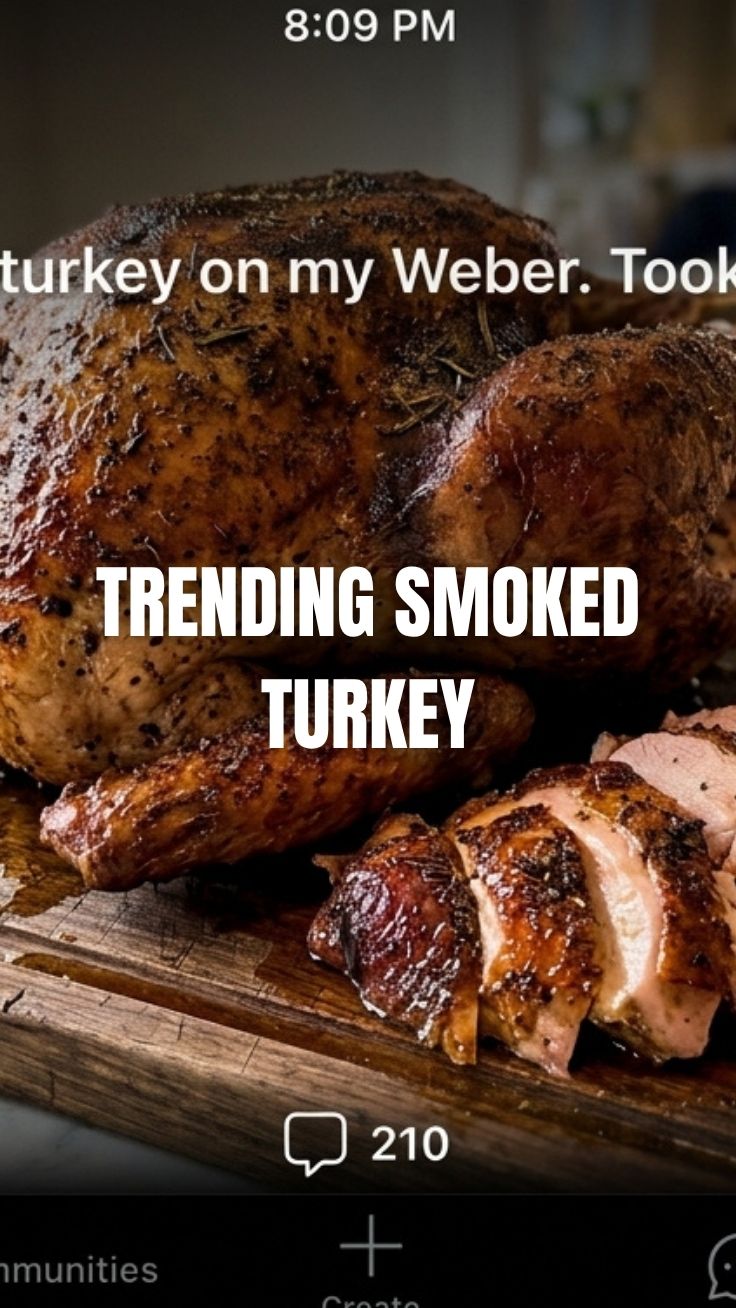
Your journey to a perfectly Smoked Turkey begins well before cooking. Allocate ample time for thawing and brining to ensure maximum moisture and flavor penetration. This schedule allows for thorough preparation and a stress-free cooking experience. Consider starting the brining process the day before you plan to smoke, leaving you with more time on cooking day.
Step-by-Step Instructions
1. Thaw and Prepare Turkey: If frozen, ensure your turkey is fully thawed in the refrigerator. Remove giblets and neck from the cavity. Pat the turkey dry with paper towels.
2. Brine the Turkey (Optional but Recommended): In a large pot, combine all brine ingredients (salt, brown sugar, vegetable broth, oranges, herbs, peppercorns, bay leaves). Bring to a simmer, stirring until salt and sugar dissolve. Let the brine cool completely to room temperature, then chill thoroughly (preferably overnight) before submerging the turkey. Place the turkey in a brining bag or food-safe container, pour in the chilled brine, and ensure the turkey is fully submerged. Refrigerate for 12-24 hours. The magic of Brining Turkey vastly improves its texture.
3. Rinse and Pat Dry: After brining, remove the turkey from the brine and rinse it thoroughly under cold water, both inside and out. This step is crucial to remove excess salt. Pat the turkey completely dry with paper towels. A dry surface promotes crispier skin.
4. Apply the Rub: In a small bowl, combine all rub ingredients. If using, mix in melted butter or olive oil to form a paste. Generously rub the mixture all over the exterior of the turkey, including under the skin of the breast meat, and inside the cavity.
5. Preheat Smoker: Preheat your smoker to a consistent temperature between 225°F and 275°F (107°C to 135°C). Add your chosen smoking wood to create a steady flow of light blue smoke. Avoid thick, white smoke, which can lead to a bitter taste.
6. Smoke the Turkey: Place the turkey on a roasting rack in a drip pan, then transfer to the preheated smoker. Insert a probe meat thermometer into the thickest part of the breast, avoiding the bone. Smoke until the internal temperature reaches 165°F (74°C). This can take 3-6 hours, depending on your smoker, turkey size, and ambient temperature. Basting with drippings or broth can help keep it moist, but avoid opening the smoker too frequently as it extends cooking time.
7. Rest the Turkey: Once the turkey reaches 165°F (74°C), carefully remove it from the smoker. Tent it loosely with heavy-duty aluminum foil and let it rest for at least 30-60 minutes before carving. This allows the juices to redistribute, resulting in a more tender and flavorful bird.
Nutritional Benefits & Advantages
Turkey is a lean protein source, rich in essential amino acids necessary for muscle repair and growth. It’s an excellent source of B vitamins, including B6 and B12, which are vital for energy metabolism and nervous system health. Additionally, turkey provides minerals like selenium, which acts as an antioxidant, and zinc, crucial for immune function. Smoking adds depth of flavor without relying on excessive fats, making it a healthier alternative to deep-frying. The brining process further ensures a moist product, reducing the need for additional butter or oils during cooking.
Tips, Variations & Cooking Advice
- Crispy Skin: For extra crispy skin, increase the smoker temperature to 350-375°F (175-190°C) for the last 30-45 minutes of cooking.
- Flavor Variations: Experiment with different brining liquids (apple cider, white wine), rubs (cajun, jerk), or aromatics stuffed in the cavity (onions, lemons).
- Compound Butter: Create an herb compound butter and gently spread it under the skin before smoking for added moisture and flavor.
- Spatchcocking: For faster cooking and more even results, consider spatchcocking (butterflying) your turkey. This exposes more surface area to smoke and promotes quicker cooking.
- Thermamometer is Key: A reliable meat thermometer is your best friend. Don’t rely solely on cooking time charts.
Common Mistakes to Avoid
- Overcooking: The most common mistake leading to dry turkey. Always cook to temperature, not time.
- Not Brining/Salting: Skipping this step often results in a bland, dry bird. If not brining, generously dry brine (salt) the turkey at least 24 hours in advance.
- Opening Smoker Too Often: Each time you open the smoker, heat escapes, extending cooking time and potentially affecting smoke penetration.
- Rushing the Rest: Resting allows juices to redistribute, resulting in a significantly more tender and flavorful turkey. Don’t skip it!
- Too Much Smoke Wood: Too much smoke, especially from dirty combustion, can impart a bitter taste. Aim for a thin, blue smoke.
Storage & Meal Prep Tips
Store leftover Smoked Turkey in airtight containers in the refrigerator for up to 3-4 days. For longer storage, carve the turkey and freeze individual portions in freezer-safe bags or containers for up to 2-3 months. To reheat, gently warm in the oven at a low temperature (250°F / 120°C) with a splash of broth to prevent drying out. You can also microwave individual portions. Smoked turkey is fantastic in sandwiches, salads, shredded for tacos or quesadillas, or as a flavorful addition to soups and stews.
Conclusion
Mastering the art of Smoked Turkey will undoubtedly elevate your culinary prowess and create memorable meals. By following these detailed instructions, from the critical step of Brining Turkey to achieving that perfect internal temperature, you’re set to produce a succulent, smoky, and utterly delicious centerpiece. Don’t be afraid to experiment with flavors and techniques – the journey to a perfect turkey is as rewarding as the feast itself! Give this recipe a try and share your smoking successes in the comments below!
FAQs
1. Can I use a pre-brined turkey with this recipe?
Yes, if using a pre-brined turkey, you can skip the brining step. However, be mindful of the salt content in your rub, as the turkey will already be seasoned.
2. What’s the best wood for smoking turkey?
Apple, cherry, pecan, and hickory are popular choices for turkey. Apple and cherry impart a mild, fruity flavor, while hickory and pecan offer a more robust, nutty smoke.
3. My turkey skin isn’t crispy. What went wrong?
Lack of crispiness usually comes from insufficient drying of the skin before smoking or not finishing at a higher temperature. Ensure the turkey is thoroughly patted dry and consider a higher heat finish.
4. How do I prevent my turkey from drying out?
The most effective methods are brining, cooking to the correct internal temperature (165°F / 74°C at the thickest part of the breast), and allowing it to rest adequately after cooking.
5. Can I smoke a turkey ahead of time for Thanksgiving?
Yes, you can smoke a turkey a day or two in advance. Carve it, cool it completely, then store it in an airtight container. Reheat gently with some broth or stock in the oven.