Elevate Your Comfort Food Game: The Ultimate Homemade Mac and Cheese Recipe!
Tired of lackluster, boxed mac and cheese? Do you crave that rich, gooey, and utterly satisfying flavor that only a homemade version can deliver? Then you’ve come to the right place! Preparing your own Classic Mac and Cheese at home isn’t just about saving money; it’s an opportunity to create a truly personalized culinary masterpiece. This isn’t merely cooking; it’s an act of culinary creation, allowing you to control every ingredient and tailor the dish to your exact preferences. Imagine biting into a forkful of perfectly al dente pasta, coated in a velvety, creamy macaroni and cheese sauce, baked to golden perfection. This isn’t just a meal; it’s an experience, a journey back to the comforting embrace of a dish that transcends generations. Our goal today is to guide you through crafting the very best homemade mac and cheese, a dish that will become a staple in your family’s recipe repertoire.
Ingredients & Kitchen Tools
- Elbow Macaroni (1 lb / 450g): The classic choice for its ability to hold sauce in its curves. Other short pasta shapes like cavatappi or campanelle also work beautifully.
- Unsalted Butter (1/2 cup / 113g): Forms the base of our roux, adding richness and flavor.
- All-Purpose Flour (1/2 cup / 60g): Thickens the sauce, creating that luxurious consistency.
- Whole Milk (4 cups / 960ml): Provides creaminess and body to the cheese sauce. Full-fat milk is recommended for the best results.
- Sharp Cheddar Cheese (4 cups / 450g, freshly grated): The star of the show! Freshly grating ensures better melt and flavor compared to pre-shredded.
- Gruyère or Fontina Cheese (1 cup / 113g, freshly grated, optional): Adds a nutty depth and complexity. You can substitute with gouda or extra Monterey Jack.
- Dijon Mustard (1 tsp): A secret ingredient that enhances the cheese’s flavor without making the dish taste like mustard.
- Smoked Paprika (1/2 tsp): Adds a subtle smoky note and a beautiful color.
- Nutmeg (1/4 tsp, freshly grated): A classic pairing with cheese sauces, adding warmth and sophistication.
- Salt & Freshly Ground Black Pepper (to taste): Essential for seasoning throughout the process.
- Breadcrumbs (1/2 cup, optional): For a crispy topping. Panko breadcrumbs are excellent for extra crunch.
Kitchen Tools:
- Large pot for cooking pasta
- Large saucepan or Dutch oven for the cheese sauce
- Whisk
- Wooden spoon or spatula
- Grater for cheese
- 9×13 inch baking dish (if baking)
Prep Time & Cooking Schedule
- Prep Time: 20 minutes (includes grating cheese and gathering ingredients).
- Cook Time: 25-30 minutes (10-12 minutes for pasta, 10-15 minutes for sauce, 10-15 minutes for baking if desired).
- Resting Time: 5-10 minutes (after baking, to allow the sauce to set slightly and prevent it from being too runny).
This schedule allows for a relaxed and enjoyable cooking experience. Grate your cheese while the pasta water comes to a boil to maximize efficiency. The resting time after baking is crucial for optimal texture, so resist the urge to dive in immediately!
Step-by-Step Instructions
1. Bring Water to a Boil: In a large pot, bring generously salted water to a rolling boil. Add the elbow macaroni and cook according to package directions until al dente. Drain well and set aside. Do not rinse the pasta; the starch helps the sauce adhere.
2. Make the Roux: While the pasta cooks, melt the unsalted butter in a large saucepan or Dutch oven over medium heat. Once melted, gradually whisk in the all-purpose flour. Cook for 1-2 minutes, whisking constantly, until a smooth paste (roux) forms. This cooks out the raw flour taste.
3. Whisk in Milk: Slowly whisk in the whole milk, a little at a time, ensuring no lumps form. Continue whisking constantly until the mixture thickens and comes to a gentle simmer, about 5-7 minutes.
4. Add Seasonings & Cheese: Remove the saucepan from the heat. Stir in the Dijon mustard, smoked paprika, and freshly grated nutmeg. Gradually add the freshly grated cheddar and Gruyère (if using), stirring until completely melted and smooth. Season generously with salt and freshly ground black pepper. Taste and adjust seasonings as needed. This rich, creamy macaroni and cheese sauce is the heart of our dish.
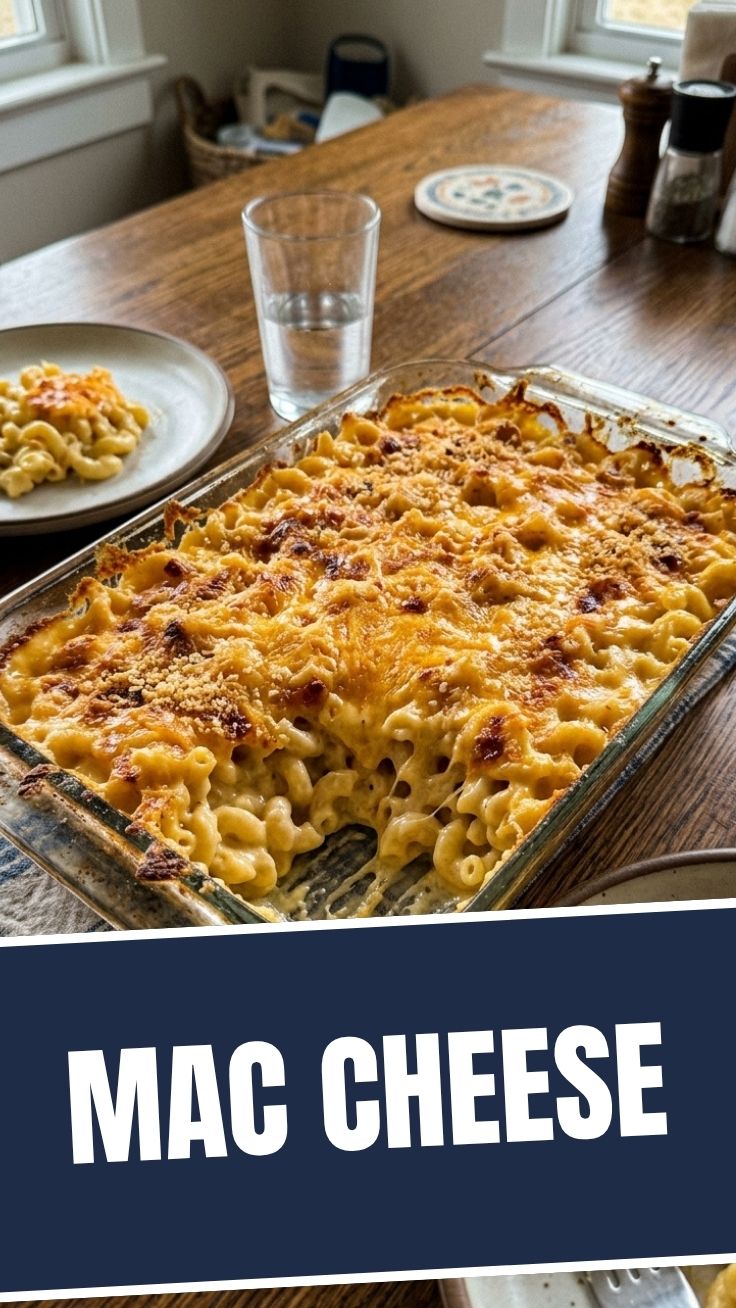
5. Combine & Bake (Optional): Add the drained macaroni to the cheese sauce and stir until evenly coated. At this point, you can serve it as a stovetop version. For a baked Classic Mac and Cheese, transfer the mixture to a greased 9×13 inch baking dish. If desired, sprinkle with breadcrumbs. Bake in a preheated oven at 375°F (190°C) for 15-20 minutes, or until bubbly and golden brown on top.
6. Rest & Serve: Let the baked mac and cheese rest for 5-10 minutes before serving. This allows the sauce to set and prevents it from being too runny. Dig in and savor every comforting bite!
Nutritional Benefits & Advantages
While often seen as comfort food, homemade mac and cheese can offer surprising nutritional benefits. Dairy products like milk and cheese are excellent sources of calcium, vital for bone health, and protein, essential for muscle repair and satiety. Choosing whole grains for your pasta can boost fiber intake, aiding digestion. Moreover, by preparing it at home, you avoid the high sodium and artificial additives often found in commercially prepared versions, giving you control over the freshness and quality of ingredients.
Tips, Variations & Cooking Advice
- Cheese Blends: Experiment with different cheese combinations! Pepper Jack for a spicy kick, smoked gouda for extra depth, or even a touch of cream cheese for ultimate creaminess.
- Add-ins: Stir in cooked ham, bacon bits, shredded chicken, sautéed spinach, or roasted vegetables for a complete meal.
- Topping Variations: Beyond breadcrumbs, consider crushed butter crackers, crispy fried onions, or even a sprinkle of extra cheese for a browned crust.
- Spice It Up: A pinch of cayenne pepper or a dash of hot sauce can elevate the flavor profile.
- Gluten-Free: Use your favorite gluten-free pasta and a gluten-free all-purpose flour blend for the roux.
- Lactose-Free: Opt for lactose-free milk and cheeses to accommodate dietary needs.
Common Mistakes to Avoid
- Overcooking Pasta: Mushy pasta won’t hold up to the rich sauce. Cook only until al dente.
- Using Pre-Shredded Cheese: These often contain anti-caking agents that can make your sauce gritty and prevent proper melting. Always grate your own!
- Cold Milk in Roux: Adding cold milk to a hot roux can cause lumps. Ensure your milk is at room temperature or slightly warmed.
- Not Seasoning Enough: Taste and season at every stage. Don’t be shy with salt and pepper!
- Over-baking: If baking, watch carefully. Over-baking can dry out the sauce.
Storage & Meal Prep Tips
Leftover mac and cheese can be stored in an airtight container in the refrigerator for up to 3-4 days. To reheat, gently warm on the stovetop over low heat, adding a splash of milk to restore creaminess. Alternatively, microwave in short intervals, stirring occasionally. Freezing is possible, although the texture of the sauce can sometimes become a bit grainy upon thawing. If freezing, allow to cool completely, then portion into freezer-safe containers for up to 2-3 months. Thaw in the refrigerator overnight before reheating.
Conclusion
Crafting your own Classic Mac and Cheese at home is a culinary endeavor that promises immense satisfaction. From the perfectly cooked pasta to the velvety, creamy macaroni and cheese sauce, every element combines to create a dish that truly embodies comfort. We hope this comprehensive guide inspires you to roll up your sleeves and create a version that becomes your personal hallmark of deliciousness. Share your creations with us, tag your friends, and spread the joy of homemade comfort food! Happy cooking!
FAQs
1. Can I make the cheese sauce ahead of time?
Yes, you can prepare the cheese sauce a day in advance and store it in the refrigerator. Reheat gently on the stovetop, adding a little milk if it’s too thick, before combining with freshly cooked pasta.
2. What’s the best way to prevent the sauce from being lumpy?
Whisk your flour into melted butter thoroughly to create a smooth roux, then gradually add warm milk while whisking constantly. This ensures a silky, lump-free sauce.
3. My mac and cheese turned out too dry. What went wrong?
This often happens from over-baking or not enough sauce to pasta ratio. Ensure you adhere to recommended baking times and consider adding a little extra milk to your sauce if you prefer it very saucy.
4. Can I use low-fat milk or cheese?
While you can, full-fat milk and cheese are highly recommended for the richest flavor and creamiest texture. Low-fat alternatives may result in a less satisfying sauce consistency.
5. How do I get a crispy top without breadcrumbs?
For a crispy, cheesy top without breadcrumbs, sprinkle an additional layer of grated cheese (like Parmesan or extra sharp cheddar) over the top before baking. The direct heat will melt and crisp it beautifully.