Unleash Your Inner Chef: Master the Art of Cajun Shrimp Pasta at Home!
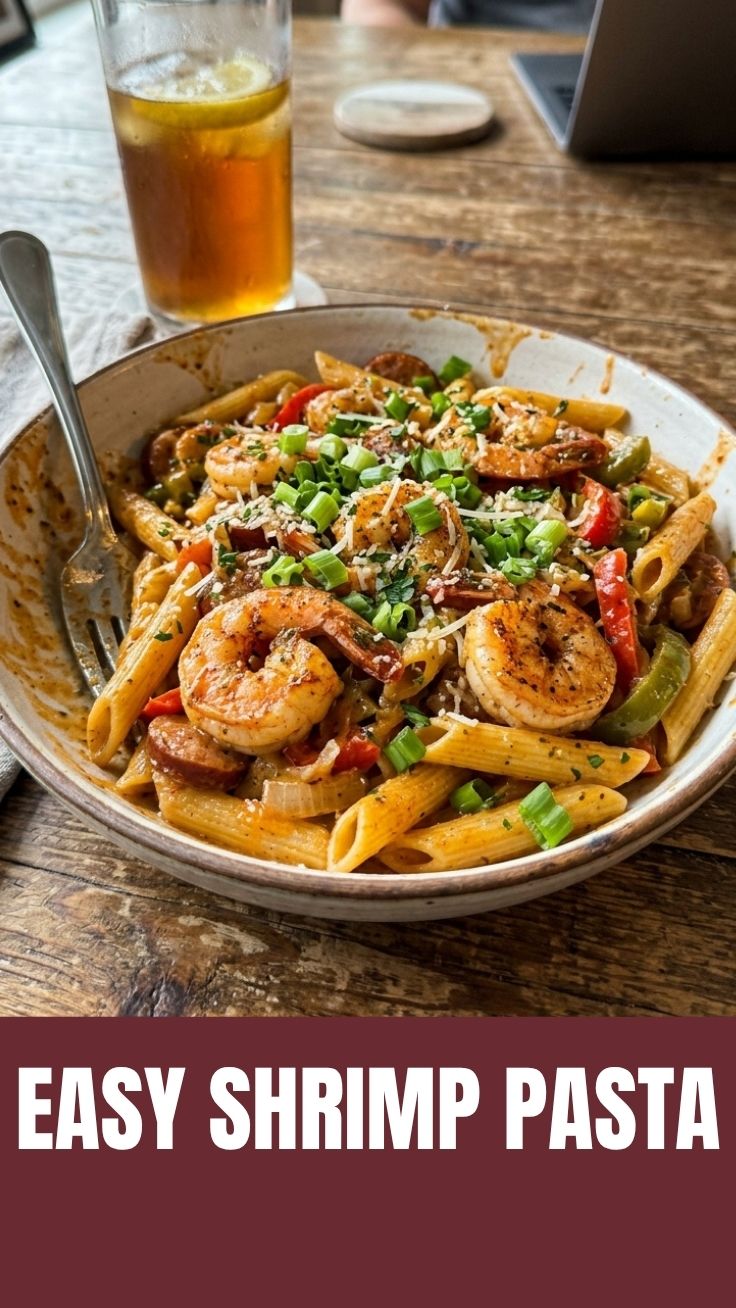
Ever wondered how restaurants create those incredibly flavorful, creamy, and spicy pasta dishes that leave you craving more? Today, we’re peeling back the curtain on a culinary masterpiece that’s surprisingly simple to recreate in your own kitchen: Cajun Shrimp Pasta. Skip the expensive takeout and unlock the secrets to crafting a truly unforgettable meal that brings the vibrant flavors of the bayou right to your dining table. Not only is preparing this dish at home budget-friendly, but it also allows you to control the quality of your ingredients and adjust the spice level to your exact preference. Imagine tender, perfectly cooked shrimp, nestled amongst al dente pasta, all bathed in a rich and aromatic cajun alfredo sauce. This comprehensive guide will equip you with everything you need to master this delightful and satisfying dish.
Ingredients & Kitchen Tools
Here’s what you’ll need to create your culinary masterpiece:
- 1 lb Large Shrimp (peeled and deveined): Fresh or frozen (thawed). Ensure they are large for a satisfying bite.
- 12 oz Linguine or Fettuccine: Or your preferred pasta shape; spaghetti also works well.
- 1 tbsp Cajun Seasoning: A pre-made blend or homemade (paprika, cayenne, garlic powder, onion powder, oregano, thyme).
- 2 tbsp Olive Oil: For sautéing.
- 4 tbsp Unsalted Butter: For flavor and richness in the sauce.
- 1 small Yellow Onion (finely diced): Adds a foundational savory note.
- 3 cloves Garlic (minced): Essential for that irresistible aromatic depth.
- 1 cup Chicken Broth: Or vegetable broth, to thin the sauce and add savory flavor.
- 1 ½ cups Heavy Cream: The secret to a luxuriously creamy sauce.
- ½ cup Grated Parmesan Cheese: Freshly grated is always best for superior melting and flavor.
- ½ cup Green Bell Pepper (diced): Adds a touch of sweetness and vibrant color.
- ½ cup Red Bell Pepper (diced): For extra color and a slightly different sweet note.
- ¼ cup Fresh Parsley (chopped): For garnish and a burst of freshness.
- Salt and Black Pepper: To taste, for seasoning.
- Optional: Pinch of Red Pepper Flakes: For an extra kick if desired.
Kitchen Tools:
- Large Pot (for boiling pasta)
- Large Skillet or Dutch Oven (for sauce and shrimp)
- Whisk
- Tongs
- Cutting Board
- Sharp Knife
- Measuring Cups and Spoons
Prep Time & Cooking Schedule
- Prep Time: 20 minutes (includes chopping vegetables, peeling shrimp)
- Cook Time: 25-30 minutes (active cooking)
- Total Time: 45-50 minutes
This recipe is designed for a relatively quick weeknight meal. You can slice and dice your vegetables ahead of time to streamline the cooking process. Get your pasta water boiling as you start on the sauce to ensure everything comes together seamlessly.
Step-by-Step Instructions
1. Prepare the Shrimp: Pat the shrimp dry with paper towels. In a medium bowl, toss the shrimp with 1 tablespoon of Cajun seasoning, ½ teaspoon of salt, and ¼ teaspoon of black pepper. Set aside.
2. Cook the Pasta: Bring a large pot of salted water to a rolling boil. Add the linguine and cook according to package directions until al dente. Reserve 1 cup of pasta water before draining.
3. Sauté the Aromatics: While the pasta cooks, heat 2 tablespoons of olive oil and 2 tablespoons of butter in a large skillet over medium heat. Add the diced onion, green bell pepper, and red bell pepper. Sauté for 5-7 minutes until softened and fragrant. Add the minced garlic and cook for another minute until aromatic, being careful not to burn it. If you’re building a truly authentic Cajun Shrimp Pasta experience, ensuring these aromatics are perfectly softened is key to infusing rich flavor into the base of your cajun alfredo sauce.
4. Cook the Shrimp: Push the vegetables to one side of the skillet. Add the remaining 2 tablespoons of butter to the empty side. Once melted, add the seasoned shrimp in a single layer. Cook for 1-2 minutes per side until pink and opaque. Do not overcook. Remove the cooked shrimp from the skillet and set aside.
5. Build the Sauce: To the same skillet, pour in the chicken broth, scraping any browned bits from the bottom of the pan (this adds flavor!). Reduce the heat to low. Slowly whisk in the heavy cream and half of the grated Parmesan cheese until smooth and creamy. Season with salt, pepper, and a pinch of red pepper flakes if desired. Let it simmer gently for 3-5 minutes, allowing it to thicken slightly.
6. Combine and Serve: Add the cooked pasta to the skillet with the sauce. Toss to coat thoroughly. If the sauce is too thick, add a splash of the reserved pasta water until it reaches your desired consistency. Gently fold in the cooked shrimp and the remaining Parmesan cheese. Garnish with fresh chopped parsley. Serve immediately.
Nutritional Benefits & Advantages
This Cajun Shrimp Pasta offers more than just incredible flavor. Shrimp are an excellent source of lean protein, low in calories, and rich in omega-3 fatty acids, which are beneficial for heart and brain health. They also provide essential vitamins and minerals like selenium, vitamin B12, and phosphorus. The bell peppers contribute a good dose of vitamin C and antioxidants. While the heavy cream and cheese add richness, they also provide calcium and healthy fats. Enjoying this homemade version allows for portion control and the use of fresh, high-quality ingredients compared to many restaurant offerings.
Tips Variations & Cooking Advice
- Spice Level: Adjust the amount of Cajun seasoning or add more cayenne pepper if you prefer a spicier dish. For less heat, reduce the Cajun seasoning.
- Protein Swap: Don’t have shrimp? Chicken or even a mix of chicken and shrimp works wonderfully.
- Vegetable Boost: Feel free to add other vegetables like sliced mushrooms, spinach (wilt into the sauce at the end), or sun-dried tomatoes for extra flavor and nutrients.
- Cheese Alternatives: While Parmesan is traditional, consider a blend of Parmesan and Pecorino Romano for a sharper taste, or even a touch of cream cheese for extra tanginess in the sauce.
- Gluten-Free Option: Use your favorite gluten-free pasta and ensure your Cajun seasoning is gluten-free.
- Dairy-Free Option: This is a bit trickier, but you can explore plant-based heavy creams and cheeses, though the flavor and texture will differ.
Common Mistakes to Avoid
- Overcooking the Shrimp: Cooked shrimp become rubbery. Cook just until pink and opaque (about 1-2 minutes per side).
- Burning the Garlic: Garlic burns quickly and becomes bitter. Add it towards the end of sautéing the vegetables and cook only until aromatic.
- Over-Thickening the Sauce: If your sauce becomes too thick, don’t panic! Use the reserved pasta water, adding it a tablespoon at a time until you reach your desired consistency.
- Not Salting Pasta Water: Salting the pasta water is crucial for flavoring the pasta from the inside out. It should taste “like the ocean.”
Storage & Meal Prep Tips
Leftovers of Cajun Shrimp Pasta can be stored in an airtight container in the refrigerator for up to 3-4 days. To reheat, gently warm on the stovetop over low heat, adding a splash of chicken broth or milk to loosen the sauce as needed. Microwave reheating is also possible, but use short intervals to avoid overcooking the shrimp. Freezing is generally not recommended for creamy pasta dishes as the sauce can separate and the pasta texture can become mushy upon thawing.
Conclusion
Congratulations, you’re now equipped to create a restaurant-quality Cajun Shrimp Pasta experience right in your own home! This dish is a testament to how simple ingredients, combined with the right techniques, can yield extraordinary results. From the perfectly seasoned shrimp to the velvety cajun alfredo sauce, every bite is a burst of flavor that will impress your family and friends. We encourage you to try this recipe, experiment with the suggested variations, and make it your own. Share your culinary creations with us in the comments below – we’d love to see them!
FAQs
Q1: Can I make the cajun alfredo sauce ahead of time?
A1: While you can prep the ingredients for the sauce, it’s best to cook the sauce fresh as it tends to thicken and change texture when reheated from a chilled state.
Q2: What if I don’t have Cajun seasoning?
A2: You can make your own with a blend of paprika, cayenne pepper, garlic powder, onion powder, dried oregano, and dried thyme. Adjust ratios to your preference.
Q3: My sauce is too thin, what can I do?
A3: Simmer the sauce for a few extra minutes over low heat to allow it to reduce and thicken naturally. You can also mix a teaspoon of cornstarch with a tablespoon of cold water, then whisk it into the simmering sauce.
Q4: How important is reserving pasta water?
A4: Very! The starchy pasta water helps to emulsify the sauce, making it cling better to the pasta and creating a smoother, more cohesive dish. It’s also great for thinning the sauce if it gets too thick.
Q5: Can I add a different type of cheese?
A5: While Parmesan is classic, a blend of Parmesan and Pecorino Romano adds a sharper, saltier kick. A little smoked gouda or even cream cheese can also create interesting flavor profiles, but stick to Parmesan for a traditional Cajun Shrimp Pasta.