Sizzling Success: Mastering Homemade Steak Fajitas for the Ultimate Flavor Fiesta!
Ever craved that explosive, savory aroma of sizzling steak and peppers hitting a hot skillet right in your own kitchen? There’s an undeniable magic in creating your favorite restaurant-worthy dishes at home, and few capture that magic quite like a plate of Steak Fajitas. Beyond the sheer satisfaction of a home-cooked meal, preparing these vibrant, flavor-packed antojitos yourself offers control over ingredients, personalized spice levels, and a truly fresh taste that store-bought alternatives simply can’t match. Plus, mastering this classic opens the door to a world of other delicious Mexican steak recipes. Let’s embark on a culinary journey to craft the perfect fajitas that will tantalize your taste buds and impress your family and friends.
Ingredients & Kitchen Tools
To whip up these amazing fajitas, you’ll need:
- For the Steak:
* 1 ½ lbs Flank Steak or Skirt Steak: These cuts are ideal for fajitas due to their robust flavor and ability to tenderize quickly when cooked properly. Skirt steak is more traditional, flank steak is a great alternative.
* 2 tbsp Olive Oil: For searing the steak and sautéing vegetables.
* 1 tbsp Chili Powder: Adds a foundational smoky heat.
* 1 tsp Cumin: Essential for that earthy, warm Mexican flavor profile.
* 1 tsp Smoked Paprika: Deepens the smoky aroma and adds a gorgeous color.
* ½ tsp Garlic Powder: A pungent aromatic for depth.
* ½ tsp Onion Powder: Sweet and savory, complementing the garlic.
* ½ tsp Dried Oregano: Adds a herbaceous, slightly bitter note.
* ¼ tsp Cayenne Pepper (optional): For an extra kick of heat if desired.
* Salt and Freshly Ground Black Pepper: To taste, enhancing all the other flavors.
- For the Vegetables:
* 1 Large Red Bell Pepper: Adds sweetness and vibrant color.
* 1 Large Green Bell Pepper: Classic fajita pepper, offering a slightly bitter, fresh crunch.
* 1 Large Yellow Onion: Provides a sweet and savory base when caramelized.
- For Serving:
* 12 Small Flour or Corn Tortillas: The essential vehicle for your fajitas. Warm them up!
* Optional Toppings: Salsa, guacamole, sour cream, shredded cheese, fresh cilantro, lime wedges.
- Kitchen Tools:
* Large Cast Iron Skillet or Heavy-Bottomed Pan: Crucial for achieving that iconic sear and sizzle.
* Sharp Knife: For thinly slicing steak and vegetables.
* Cutting Board: A sturdy surface for prep.
* Large Bowl: For marinating the steak.
* Tongs: For easy flipping and tossing.
* Aluminum Foil: For resting the steak.
Prep Time & Cooking Schedule
- Prep Time: 20 minutes (includes slicing vegetables and mixing spices)
- Marinade Time (optional, but recommended): 30 minutes to 2 hours. This allows the flavors to truly penetrate the meat, though you can skip it if pressed for time.
- Cook Time: 15-20 minutes
- Resting Time: 10 minutes (for the steak)
Plan to start your marinade a couple of hours before dinner. While the steak marinates, you can chop your vegetables and prepare your toppings, making the final cooking process a breeze.
Step-by-Step Instructions
1. Prepare the Steak: Pat your flank or skirt steak dry with paper towels. Slice the steak against the grain into thin strips, about ¼ inch thick. Slicing against the grain ensures tender bites. In a large bowl, combine the olive oil, chili powder, cumin, smoked paprika, garlic powder, onion powder, dried oregano, cayenne pepper (if using), salt, and black pepper. Add the sliced steak to the bowl and toss to coat evenly. Cover and marinate in the refrigerator for at least 30 minutes, or up to 2 hours. This simple marinade is key to flavorful Steak Fajitas.
2. Sauté the Vegetables: While the steak marinates (or after), heat 1 tablespoon of olive oil in your cast iron skillet over medium-high heat. Add the sliced bell peppers and onion. Sauté for 5-7 minutes, stirring occasionally, until vegetables are tender-crisp and slightly charred. Remove from the skillet and set aside.
3. Cook the Steak: Increase the heat to high. If necessary, add another tablespoon of olive oil to the hot skillet. Add the marinated steak in a single layer, making sure not to overcrowd the pan (cook in batches if needed). Cook for 2-3 minutes per side for medium-rare, or longer if you prefer well-done. You want a good sear on the outside.
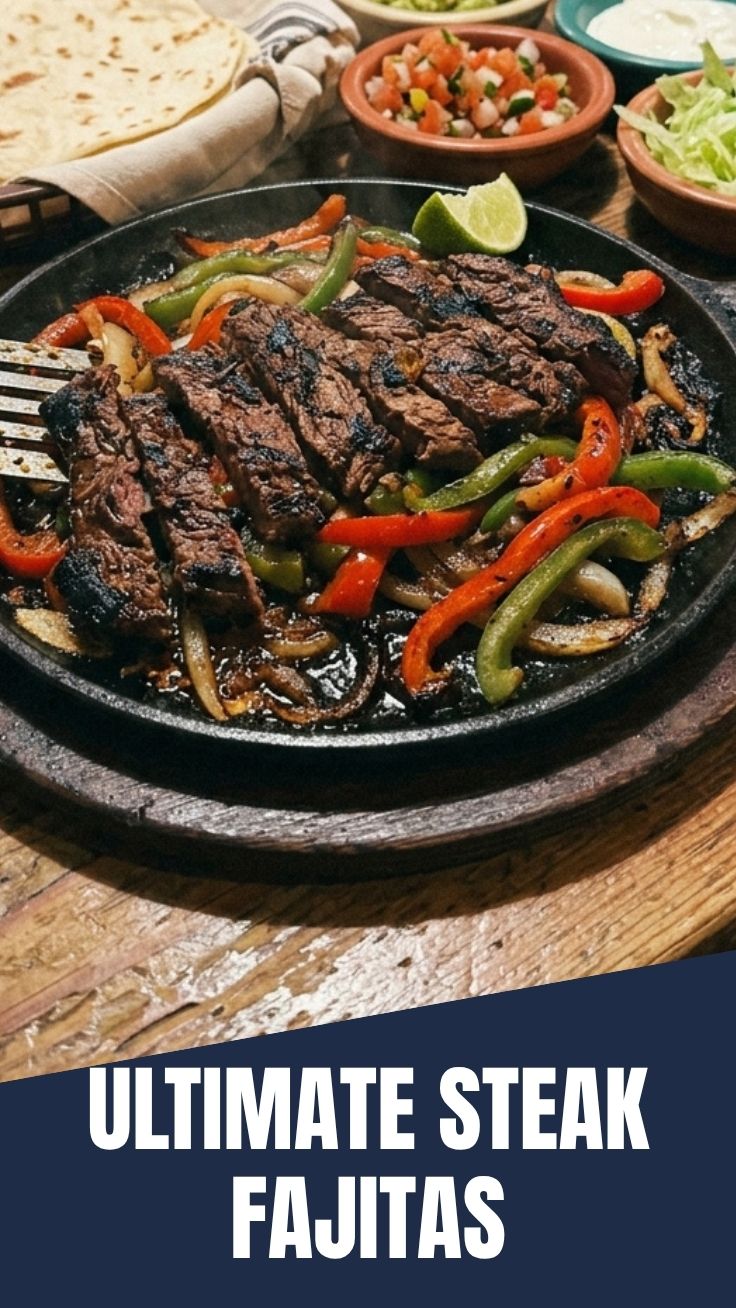
4. Combine and Sizzle: Once the steak is cooked, return the sautéed vegetables to the skillet with the steak. Toss everything together for 1-2 minutes until heated through. This final mix infuses all the ingredients with cohesive flavor, creating an incredibly satisfying dish, perfect among many fantastic Mexican steak recipes.
5. Rest the Steak: Transfer the steak and vegetable mixture to a serving platter. Cover loosely with aluminum foil and let rest for 5-10 minutes. This allows the juices to redistribute, ensuring tender and juicy steak.
6. Warm the Tortillas: While the steak rests, warm your tortillas. You can do this in a dry skillet over medium heat for 20 seconds per side, in the microwave, or wrapped in foil in the oven.
7. Serve: Serve the sizzling steak and veggie mixture with warm tortillas and your favorite toppings.
Nutritional Benefits & Advantages
These fajitas aren’t just delicious; they’re packed with goodness! Flank or skirt steak is an excellent source of lean protein, essential for muscle repair and growth. Bell peppers are nutritional powerhouses, rich in Vitamin C, antioxidants, and fiber. Onions contribute prebiotics and a host of vitamins. Compared to many restaurant versions, making them at home reduces excess sodium and unhealthy fats, giving you a healthier, more controlled meal that’s naturally gluten-free if served with corn tortillas.
Tips, Variations & Cooking Advice
- Marinating Magic: For an even deeper flavor, marinate the steak overnight. You can also add a splash of lime juice or a tablespoon of apple cider vinegar to the marinade for extra tenderization.
- Spicy Kick: Amp up the heat with sliced jalapeños or serrano peppers added to the skillet with the bell peppers and onions.
- Veggie Loaded: Don’t hesitate to add other vegetables like zucchini, mushrooms, or corn for extra color and nutrition.
- Poultry or Shrimp Fajitas: Not a red meat fan? This recipe adapts beautifully to chicken or shrimp. Adjust cooking times accordingly.
- Smoking Option: For an authentic smokier flavor, use chipotle powder or a dash of liquid smoke in your marinade.
- Temperature Matters: Ensure your skillet is screaming hot before adding the steak to get a good sear. This is key to locking in juices and achieving that characteristic texture.
Common Mistakes to Avoid
- Overcrowding the Pan: This is one of the biggest mistakes. Overcrowding lowers the pan’s temperature, steaming the meat and vegetables instead of searing them, resulting in a bland, rubbery texture. Cook in batches if necessary.
Slicing with the Grain: Always slice flank or skirt steak against the grain*. Slicing with the grain will result in tough, chewy pieces of meat.
- Not Letting the Steak Rest: Skipping the resting period will cause the juices to run out when you cut into the steak, leaving it dry and less flavorful. Patience is a virtue here!
- Overcooking the Steak: Fajita steak should be tender and juicy. Cook to medium-rare or medium for the best texture. Flank and skirt steak cook quickly.
- Skimping on Seasoning: Don’t be shy with the spices! The bold flavors are what make fajitas so irresistible.
Storage & Meal Prep Tips
Leftover Steak Fajitas can be stored in an airtight container in the refrigerator for up to 3-4 days. For best results, store the steak and vegetables separately from the tortillas and toppings. Reheat the steak and vegetables in a skillet over medium heat until warmed through to maintain texture. Avoid microwaving the steak if you want to prevent it from becoming rubbery. These fajitas are an excellent candidate for meal prep; simply cook a larger batch and portion it out for quick, delicious meals throughout the week.
Conclusion
There’s nothing quite like the experience of creating and enjoying a sizzling plate of Steak Fajitas in your own home. With robust flavors, tender steak, and vibrant vegetables, this dish is not just a meal – it’s a fiesta! By following these detailed instructions and incorporating our expert tips, you’re well on your way to mastering this beloved classic. So, fire up your skillet, gather your ingredients, and get ready to enjoy one of the most satisfying Mexican steak recipes out there. We encourage you to try this recipe, experiment with your favorite toppings, and share your culinary successes with us!
FAQs
Q: Can I use chicken instead of beef for this recipe?
A: Absolutely! This recipe is highly adaptable. Simply slice boneless, skinless chicken breasts or thighs into strips and follow the same marinade and cooking instructions, adjusting cook time as needed.
Q: How do I prevent my steak from becoming tough?
A: Slice the steak against the grain, do not overcrowd the pan, and avoid overcooking. Resting the steak after cooking is also crucial for tenderness.
Q: What’s the best way to warm tortillas?
A: For soft, pliable tortillas, heat them individually in a dry skillet over medium heat for 20-30 seconds per side, or stack them wrapped in foil in a 350°F (175°C) oven for 10-15 minutes.
Q: Can I make this dish spicier?
A: Yes! Increase the amount of cayenne pepper, add fresh sliced jalapeños or serrano peppers with the bell peppers, or serve with a spicy salsa.
Q: What if I don’t have a cast iron skillet?
A: A heavy-bottomed stainless steel or non-stick pan can work, but a cast iron skillet is highly recommended for achieving the best sear and sizzle due to its superior heat retention.