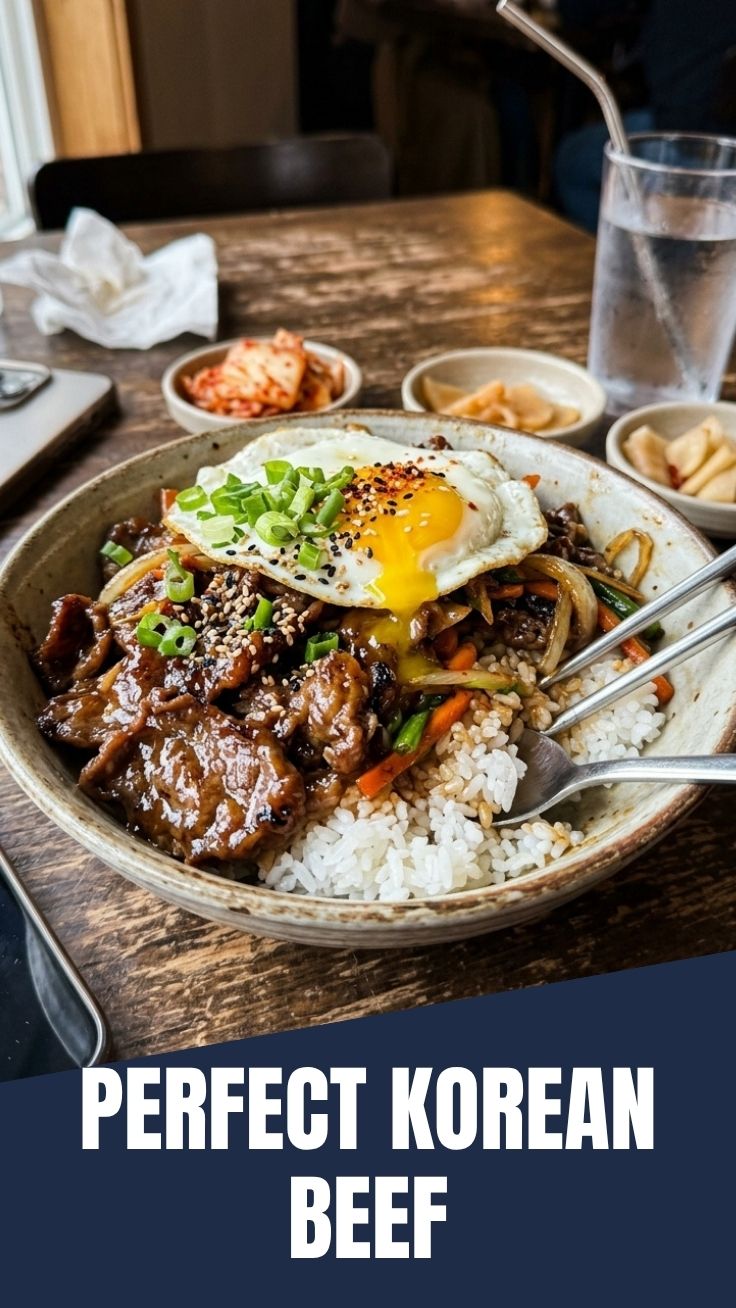
Unlock the Flavors of Asia: Your Ultimate Guide to a Perfect Korean Beef Bowl
Ever dreamt of bringing the vibrant, savory, and slightly sweet flavors of Korean cuisine right into your kitchen? What if we told you that creating a mouth-watering Korean Beef Bowl at home is not only achievable but incredibly rewarding? Forget expensive takeout or mystery ingredients; this comprehensive guide will empower you to craft a delicious and authentic dish that rivals any restaurant. Mastering this recipe not only satisfies your taste buds but also offers a healthier, customizable alternative to many fast-food options. With its rich umami notes and tender ground beef, this dish is a weeknight hero waiting to happen, often drawing comparisons to the beloved bulgogi but with a simpler, more approachable preparation.
Ingredients & Kitchen Tools
Crafting the perfect Korean Beef Bowl requires a balance of fresh ingredients and basic kitchen essentials.
For the Beef:
- 1 lb Ground Beef (80/20 or 90/10 lean): For ideal flavor and texture. Can substitute with ground turkey or chicken for a leaner option.
- 1 tbsp Sesame Oil: Adds a distinctive nutty aroma.
- 2 cloves Garlic (minced): Fresh is always best for pungent flavor.
- 1 tbsp Fresh Ginger (grated): Punctures the richness of the beef.
- ¼ cup Soy Sauce (low sodium preferred): The backbone of the savory marinade. Use tamari for a gluten-free alternative.
- 2 tbsp Brown Sugar: Balances the savory notes with a touch of sweetness, characteristic of Korean dishes like bulgogi. Maple syrup or honey can be used as a substitute.
- 1 tbsp Rice Vinegar: Provides a subtle tang and brightens the overall flavor profile.
- 1 tsp Sriracha (optional): For a moderate kick. Adjust to your heat preference or omit.
- ¼ tsp Black Pepper: A foundational seasoning.
For Serving & Garnish:
- Cooked Rice (Jasmine or short-grain): The essential base.
- Green Onions (sliced): For a fresh, mild oniony crunch and vibrant color.
- Sesame Seeds (toasted): Adds visual appeal and texture.
- Kimchi (optional): For a fermented, spicy, and tangy counterpoint.
- Fried Egg (optional): A classic addition for extra richness.
- Steamed Vegetables (e.g., broccoli, carrots, spinach): For a complete and balanced meal.
Kitchen Tools:
- Large Skillet or Wok: Essential for browning the beef evenly.
- Measuring Cups and Spoons: For accurate ingredient proportions.
- Garlic Press/Grater: For easy preparation of garlic and ginger.
- Spatula: For stirring and breaking up the beef.
Prep Time & Cooking Schedule
<img src=”https://dailytasterecipes.com/wp-content/uploads/2026/05/korean-beef-bowl-savory-c7f8a1e2.jpg”/>
This recipe is a marvel of efficiency! It’s designed to get a delicious, restaurant-quality meal on your table in under 30 minutes, making it perfect for busy weeknights.
- Prep Time: 10 minutes (chopping aromatics, gathering ingredients).
- Cook Time: 15 minutes (browning beef, simmering sauce).
- Total Time: 25 minutes.
To streamline the process, start your rice cooker before you begin preparing the beef. This ensures your rice is ready when the beef is, allowing for immediate assembly and serving.
Step-by-Step Instructions
Follow these clear steps to achieve a perfectly balanced and flavorful Korean Beef Bowl:
1. Prepare the Aromatics: Mince your garlic and grate your fresh ginger. Set aside.
2. Make the Sauce: In a small bowl, whisk together the soy sauce, brown sugar, rice vinegar, sesame oil, Sriracha (if using), and black pepper. This forms the backbone of your dish, infusing the beef with that signature Korean flavor reminiscent of a good bulgogi marinade.
3. Brown the Beef: Heat a large skillet or wok over medium-high heat. Add the ground beef and cook, breaking it up with a spatula, until fully browned and no pink remains. This usually takes 5-7 minutes. Drain any excess grease – this is crucial for a cleaner, less oily finish.
4. Sauté Aromatics: Add the minced garlic and grated ginger to the cooked beef. Sauté for 1-2 minutes until fragrant, being careful not to burn the garlic.
5. Simmer in Sauce: Pour the prepared sauce over the beef mixture. Bring to a gentle simmer, stirring occasionally, and cook for 3-5 minutes, allowing the sauce to thicken slightly and coat the beef. The beef will absorb the rich flavors, creating a tender and succulent texture.
6. Serve: Divide cooked rice among serving bowls. Spoon the flavorful Korean beef mixture over the rice.
7. Garnish: Garnish generously with sliced green onions and toasted sesame seeds. Add kimchi or a fried egg if desired. Enjoy immediately!
Nutritional Benefits & Advantages
This Korean Beef Bowl is more than just delicious; it offers several nutritional advantages:
- Protein-Packed: Ground beef is an excellent source of high-quality protein, essential for muscle repair and growth, keeping you feeling full and satisfied.
- Customizable: Easily incorporate a variety of vegetables like steamed broccoli, carrots, or spinach for added fiber, vitamins, and minerals.
- Energy-Boosting: Paired with rice, it provides complex carbohydrates for sustained energy throughout your day.
- Iron-Rich: Beef is a good source of iron, vital for oxygen transport in the blood.
- Controlled Ingredients: By making it at home, you control the amount of sodium and sugar, making it a healthier alternative to many restaurant versions.
Tips, Variations, & Cooking Advice
- Spice Level: Adjust the Sriracha or add a pinch of gochugaru (Korean chili flakes) for more heat.
- Vegetable Boost: Sauté some thinly sliced bell peppers, shredded carrots, or mushrooms with the beef for extra nutrients and texture.
- Marinade Beef: For deeper flavor, you can briefly marinate the ground beef in half of the sauce mixture for 15-20 minutes before cooking, similar to how traditional bulgogi is prepared.
- Alternative Grains: Serve over quinoa, brown rice, or even cauliflower rice for a lower-carb option.
- Lettuce Wraps: Instead of rice, serve the beef in crisp lettuce cups for a refreshing, low-carb meal.
Common Mistakes to Avoid
- Not Draining Grease: Failing to drain beef grease can make your dish oily and heavy. Ensure you remove excess fat for a cleaner flavor.
- Overcooking Beef: Ground beef cooks quickly. Overcooked beef can become dry and tough. Cook until just browned.
- Burning Garlic/Ginger: These aromatics can burn easily. Add them after the beef is mostly cooked and sauté only until fragrant, about 1-2 minutes.
- Skimping on Sauce Simmer Time: Allow the sauce to simmer for a few minutes. This reduces it slightly, allowing the flavors to meld and coat the beef properly.
Storage & Meal Prep Tips
This Korean Beef Bowl is fantastic for meal prepping!
- Refrigeration: Store leftover beef mixture and cooked rice separately in airtight containers in the refrigerator for up to 3-4 days.
- Freezing: The cooked beef mixture freezes well for up to 2-3 months. Thaw overnight in the refrigerator before reheating. Cook the rice fresh for the best texture.
- Reheating: Reheat the beef in a microwave or on the stovetop over medium heat, adding a splash of water or broth if it seems dry. Reheat rice separately.
Conclusion
There you have it – your definitive guide to preparing an irresistible Korean Beef Bowl that’s bursting with the complex, comforting flavors usually found in a bustling Korean eatery. This recipe is a testament to how simple ingredients, when combined with the right techniques, can create culinary magic. With its quick preparation time and customizable nature, it’s destined to become a beloved staple in your home, offering a delicious alternative to more intricate dishes like traditional bulgogi. We encourage you to try this recipe tonight, experiment with the suggested variations, and savor every savory bite. Don’t forget to share your creations and experiences with us – happy cooking!
FAQs
Q1: Can I make this recipe vegetarian?
A1: Absolutely! Substitute ground beef with crumbled firm tofu, tempeh, or your favorite plant-based ground meat alternative. Adjust cooking time as needed.
Q2: How can I make this dish spicier?
A2: Increase the sriracha or add a teaspoon of gochugaru (Korean chili flakes) with the sauce for a more authentic Korean heat. A drizzle of chili oil at the end also works.
Q3: What’s the best type of rice to serve with this?
A3: Short-grain white rice or Jasmine rice are ideal as their slightly sticky texture complements the beef well. Brown rice is a great healthier alternative.
Q4: Can I prepare the sauce in advance?
A4: Yes, you can whisk together the sauce ingredients up to 2-3 days in advance and store it in an airtight container in the refrigerator. This can speed up your dinner prep even further.
Q5: My sauce isn’t thickening. What should I do?
A5: Ensure the sauce has simmered for at least 3-5 minutes. If it’s still too thin, you can create a cornstarch slurry (1 tsp cornstarch mixed with 1 tbsp cold water) and stir it into the simmering sauce until it reaches your desired consistency.